The Story
Why it exists.
The beginning
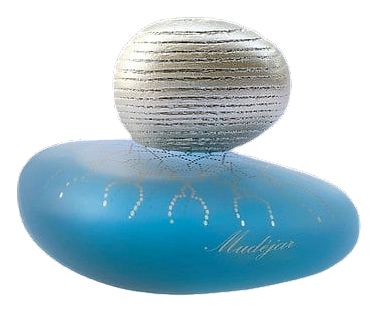
Mudejar takes its name from a syncretic architectural tradition that developed in Andalusia between the 12th and 16th centuries, buildings constructed by skilled craftsmen working within shifting political landscapes. These structures merged artistic vocabularies: horseshoe arches, intricate geometric patterns, ornate plasterwork, bell towers shaped like minarets. The fragrance by Majda Bekkali translates this spirit of borrowed forms into scent, combining materials drawn from Mediterranean olfactory culture into something that belongs wholly to neither and entirely to both. The 2017 release carries this architectural sensibility forward, a composition that explores the interplay between brightness and shadow while maintaining crystalline clarity throughout its development.
The top notes, black pepper and grapefruit, create an immediate sensory contrast. The citrus provides brightness, almost a coolness, while the pepper adds warmth and a slight edge. The blackcurrant in the heart is the fragrance's most distinctive element. The actual fruit note is fleeting; what lingers is the leaf, a tart green quality that gives the composition its character. Cedrus atlanticus, the Atlas cedar, provides woody depth that keeps the blackcurrant from reading as purely fruity.
The evolution
The opening arrives with black pepper's warmth followed immediately by grapefruit's citrus brightness. The grapefruit is the fleeting element here, reading clearly in the early minutes before it recedes behind the pepper. What remains is a citrus-spice foundation that sets up everything that follows. As the fragrance develops, blackcurrant emerges alongside Atlas cedar. The blackcurrant is not the sweet berry; it's the leaf, the tart green edge that gives this stage its character. Cedar adds woody depth, and together they create a middle that feels architectural, structured, and substantial, with the kind of weight that makes you aware of your own skin. The drydown arrives as frankincense introduces itself as a smoky counterpoint to the fruit and wood, followed by leather.
Cultural impact
Mudejar occupies a specific position in the niche fragrance landscape: a woody-fruity-spicy composition with mineral undertones that sets it apart from more conventional fruity-woodies. The blackcurrant leaf note gives it a green, almost bitter quality that distinguishes it from sweeter interpretations of this genre. Worn equally well day or night, it performs across spring, fall, and cooler summer evenings. The sillage and projection invite closer attention while the complexity rewards sustained wearing.