The Heritage
The Story of Majda Bekkali
Majda Bekkali creates sculptural fragrances that translate cities into scent. The Paris-based house, founded by a Moroccan-born perfumer in 2009, structures each composition around wood as both architectural foundation and emotional core. Her fragrances operate as olfactory portraits, moving between light and shadow with counterparts labeled Clair and Obscur. The house approaches fragrance as poetry, distilling heritage, myth, and memory into wearable form.
Heritage
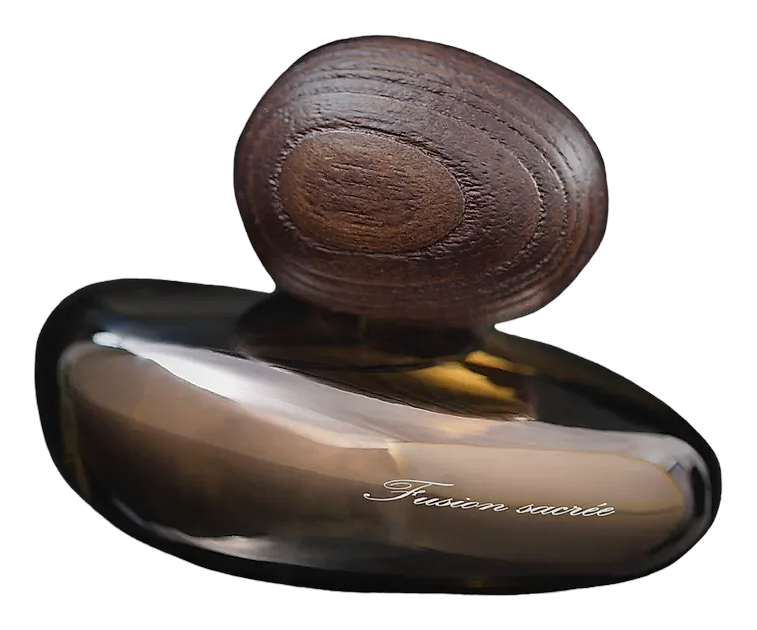
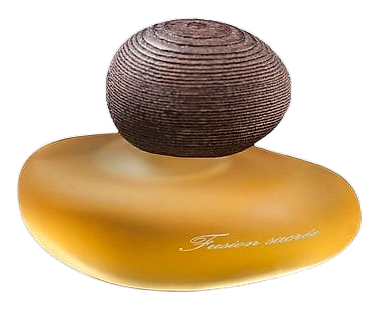
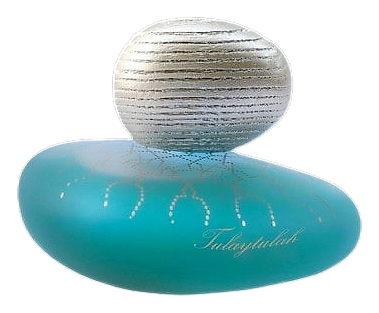
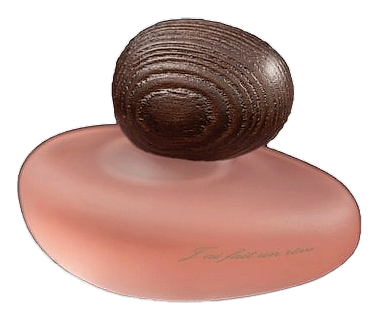
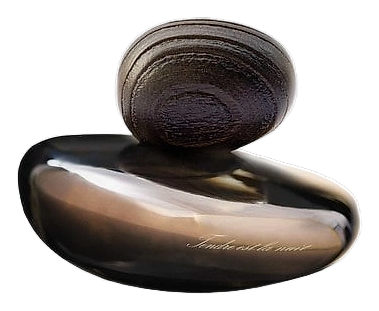
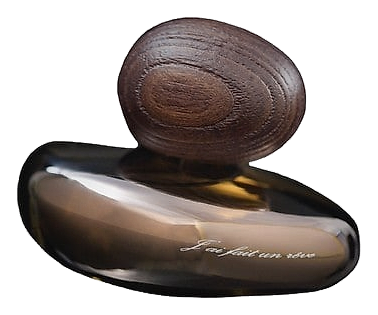
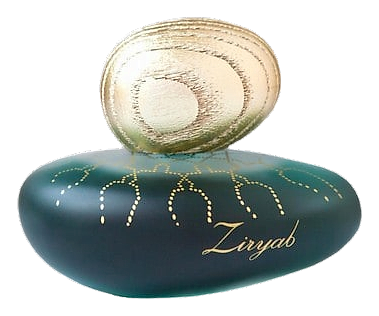
Majda Bekkali, a Moroccan-born perfumer, founded her Paris house in 2009. She launched her eponymous line with the dual fragrance J'ai fait un rêve, releasing versions for both men and women. The collection quickly established her reputation for sculptural compositions that balance architectural structure with emotional depth. The house released Fusion Sacrée in 2012, expanding its olfactory vocabulary with complex oriental constructions. The following year brought Tendre est la Nuit, another signature work that would later spawn a Clair interpretation in 2019. The mid-2010s saw releases including Tulaytulah in 2015 and the paired Mudejar and Ziryab in 2017, both drawing from Andalusian and Moroccan heritage. The house developed its Mazaj concept over time, a framing that positions each fragrance as a portrait of a specific city or emotional landscape. This approach allows her to blend oriental and floral ingredients within a distinctly French compositional sensibility. The house maintains the Clair and Obscur naming system across multiple releases, offering light and dark interpretations of signature themes. Majda Bekkali Parfums, also known as Majda Bekkali Sculptures Olfactives, operates from Paris with a collection spanning over a dozen releases since 2009.
Craftsmanship
Majda Bekkali structures her compositions around wood as primary material. This choice provides both structural support and emotional resonance, giving her fragrances a characteristic backbone that sustains throughout wear. The emphasis on wood allows her to build oriental and aromatic constructions with clear architectural lines. The house sources materials from traditional perfume regions, drawing on ingredients associated with Mediterranean and North African olfactory culture. Jasmine, rose, and animalic materials appear alongside precious woods and resins. The approach favors depth and complexity over bright, ephemeral opening notes. French niche production methods apply throughout. Each fragrance receives development time appropriate to its concept rather than calendar-driven release schedules. The house maintains consistency across its Clair and Obscur variations, ensuring both versions achieve comparable quality despite different intensity levels. Construction emphasizes longevity on skin. The compositions develop through multiple phases, revealing new aspects over hours rather than minutes. This evolution requires careful calibration of materials and proportions, ensuring each stage contributes to the overall narrative rather than simply changing the smell.
Design Language
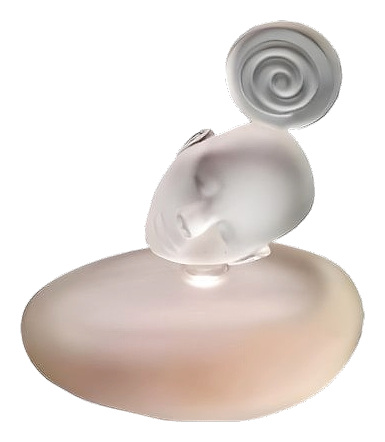
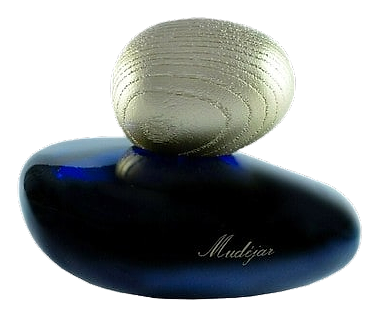
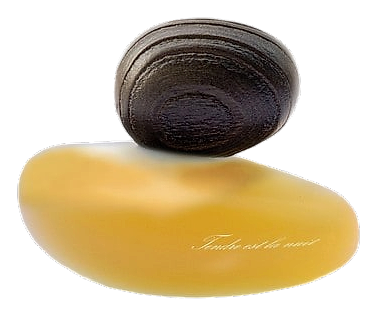
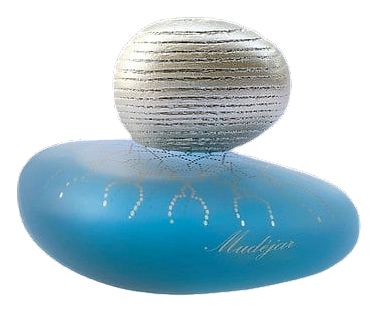
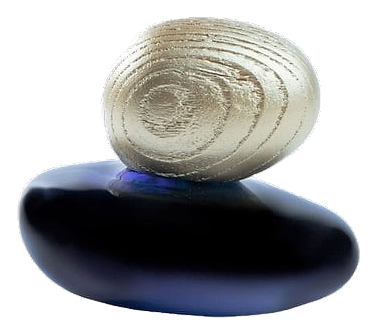
The brand presents itself through clean editorial imagery and architectural visual language. Bottle designs reflect the sculptural concept, with clean geometric forms and minimal labeling. The Clair and Obscur variations receive corresponding visual treatment, with lighter and darker presentations that mirror the fragrance character. The website and retail presence emphasize the artistic dimension of the house. Fragrance descriptions frame compositions as cultural and emotional objects rather than simple consumer products. This positioning aligns with the Mazaj concept and the translating-cities-into-scent framing. Packaging maintains premium positioning through restrained design choices. The French house aesthetic appears in typography and presentation, communicating sophistication without ostentation. Retail environments, including stockists like Niche Scents and Jovoy Paris, reinforce this positioning through curated presentation.
Philosophy
Majda Bekkali describes her house as translating cities into scent through the Mazaj concept. Each fragrance functions as an olfactory portrait, capturing the essence of a specific place or emotional territory. The approach requires her to identify what makes a location distinctive in smell, then translate that character into raw materials and composition. The house treats fragrance as sculpture, building with structure and form rather than simply layering notes. This architectural thinking shows in how her perfumes move through phases, revealing new dimensions over time. The Clair and Obscur naming across multiple lines reflects a duality present throughout her work, offering wearers different intensities of the same core idea. Myth and emotion serve as primary sources. She draws from personal heritage, particularly Andalusian and Moroccan influences, without simply reproducing traditional oriental themes. The house achieves something more subtle: contemporary French compositions informed by Mediterranean and North African material culture. This gives her work a specificity that separates it from generic niche orientalism. Raw materials receive significant attention. The house emphasizes quality ingredients and traditional techniques over trend-driven composition. Each release takes time to develop fully, prioritizing longevity and evolution on skin over immediate impact.
Key Milestones
2009
Majda Bekkali founded her eponymous Paris house
2010
Released J'ai fait un rêve for men and women
2012
Launched Mon Nom est Rouge and Fusion Sacrée line
2017
Released Ziryab and Mudejar
2024
Released Tulaytulah Obscur
At a Glance
Brand profile snapshot
Origin
France
Founded
2009
Heritage
17
Years active
Collection
2
Fragrances released
Avg Rating
4.2
Community sentiment
Release Rhythm


