
The Story
Why it exists.
The beginning
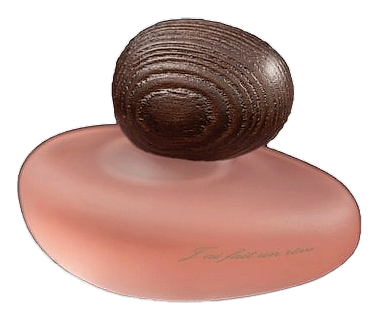
J'ai Fait Un Rêve Clair arrived in 2010 as one of the first works from the Majda Bekkali house, founded by the Moroccan-born perfumer in Paris the previous year. The name translates to 'I Had a Dream Light' and carries the weight of a manifesto: differences embracing, dignity that is primordial, art as response to hatred and woe. Dorothée Piot translated this abstract ambition into a composition structured around wood as both architectural foundation and emotional anchor, a principle that would define the house's identity. The fragrance launched alongside its counterpart Obscur, establishing the duality that remains central to the brand's vocabulary. Where Obscur leans into shadow and density, Clair sought to capture the same emotional territory from the other side of the mirror.
The note structure of J'ai Fait Un Rêve Clair is unusual in how it builds white florals upward while anchoring them downward with leather and animalic materials. White musk provides the connective tissue between jasmine, orange blossom, and the earthier materials below. Castoreum is the telling ingredient here: animalic, intimate, and often divisive, it grounds what could become an abstract floral exercise in something bodily and real. Elemi and petitgrain add aromatic freshness that prevents the composition from becoming too heavy, while incense and labdanum provide the balsamic warmth that defines the drydown.
The evolution
The opening is immediate and bright, orange blossom asserting itself with a sweetness that doesn't apologize. Within minutes, jasmine joins and the two florals begin their slow conversation. The cumin arrives around the thirty-minute mark, not as a shock but as a correction. The floral sweetness becomes more interesting, more textured. Leather and incense establish themselves in the heart, creating a darker counterpoint that the white florals don't fight but absorb. By the second hour, the composition has settled into a warm, smoky drydown where white cedar and guaiac wood provide the structure and musk lingers close to the skin. The castoreum doesn't disappear. It deepens. Settles into the base like a memory that won't fully resolve. On fabric, it holds for six to eight hours. On skin, closer to four to five, depending on the wearer. The next day, there's a trace on clothing that smells less like the fragrance and more like the room it lived in.
Cultural impact
J'ai Fait Un Rêve Clair established the house's identity upon its 2010 launch, demonstrating that Dorothée Piot could execute the duality concept with both technical precision and emotional resonance. The fragrance occupies a specific position in the niche landscape: white floral enough to attract, animalic enough to challenge. Wearers describe it as the scent of someone who walks into a room and doesn't need to announce themselves.