
The Story
Why it exists.
The beginning
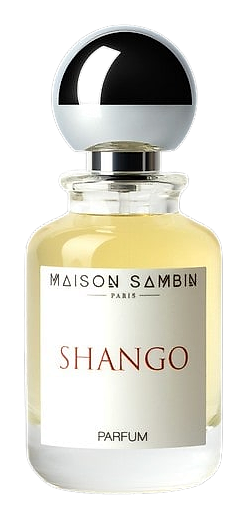
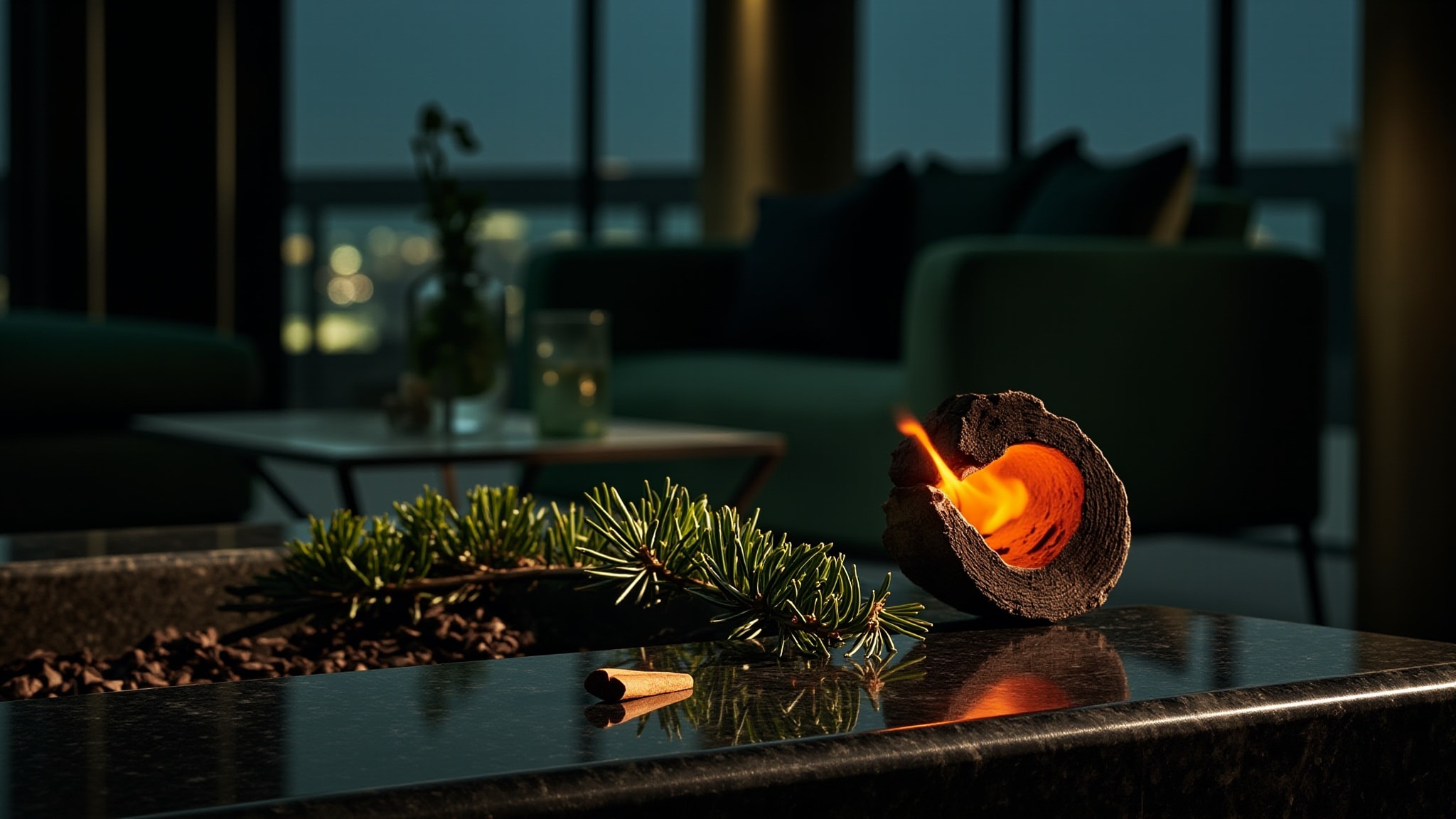
Shango takes its name from the warrior Orisha of the Oyo kingdom, an inspired reference that points straight at fire, force, and authority. The official description presents Shango with vivid energy: bergamot and pine arrive first, then the composition is ignited by a spicy heart led by cinnamon and cedarwood. Citrus and forest give the opening its lift, while patchouli brings earthiness underneath, so the fragrance reads as heat held inside something cooler. The notes move with a deliberate contrast. Bergamot contributes brightness, pine adds a wooded edge, and patchouli deepens the composition with a darker, earthier character. Cedarwood gives the heart a dry structure while cinnamon introduces warmth and spice.
What makes Shango interesting is the seam between its opening and its heart. Bergamot is sharp and almost polished, pine is cold and resinous, and davana adds a green herbal edge that pulls the whole thing toward the woods. Then patchouli lands. It's earthy, faintly damp, and completely unlike the opening's brightness, which creates the sense of heat building under a calm surface. Cinnamon and cedar keep that heat from tipping into pure sweetness. The result is a fragrance with two personalities in one: the bright green of early morning, and the warm, smoky weight that follows.
The evolution
The opening is the coldest part of Shango, and its citrus character fades first. Bergamot gives way, leaving pine and davana behind, that green resinous quality lingering like sap on a cold tree. Patchouli arrives with weight, and cinnamon follows, turning the forest floor into something warmer and spicier. Cedar and amyris hold the middle together, woody and slightly balsamic, keeping the sweetness in check. This is the phase that makes Shango interesting, because it feels like a different fragrance than the one you spritzed on. Amber gives warmth without turning sticky, tonka bean rounds the edges, and labdanum adds a smoky resinous depth. White musk keeps everything close to skin. The drydown settles into a warm amber-patchouli trail, slightly powdery, still present but resting close to the wearer rather than announcing itself.
Cultural impact
Shango takes its name from the warrior Orisha of the Oyo kingdom, a reference associated with fire, thunder, force, and power. That name gives the fragrance a strong cultural anchor while its composition remains rooted in the materials used to build scent: bergamot, pine, davana, patchouli, cinnamon, cedarwood, amyris, amber, tonka bean, labdanum, and white musk. The opening offers a fresh, green impression through citrus, pine, and davana. As it develops, patchouli introduces a deeper earthiness, while cinnamon and cedar make the heart feel warm, dry, and distinctly woody.