The Story
Why it exists.
The beginning
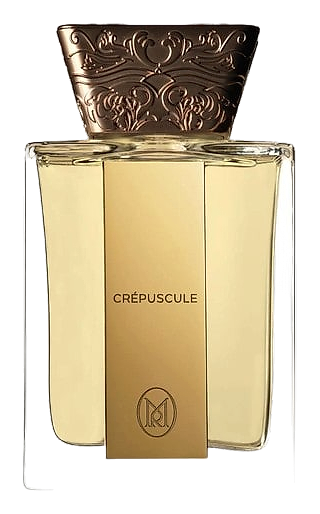
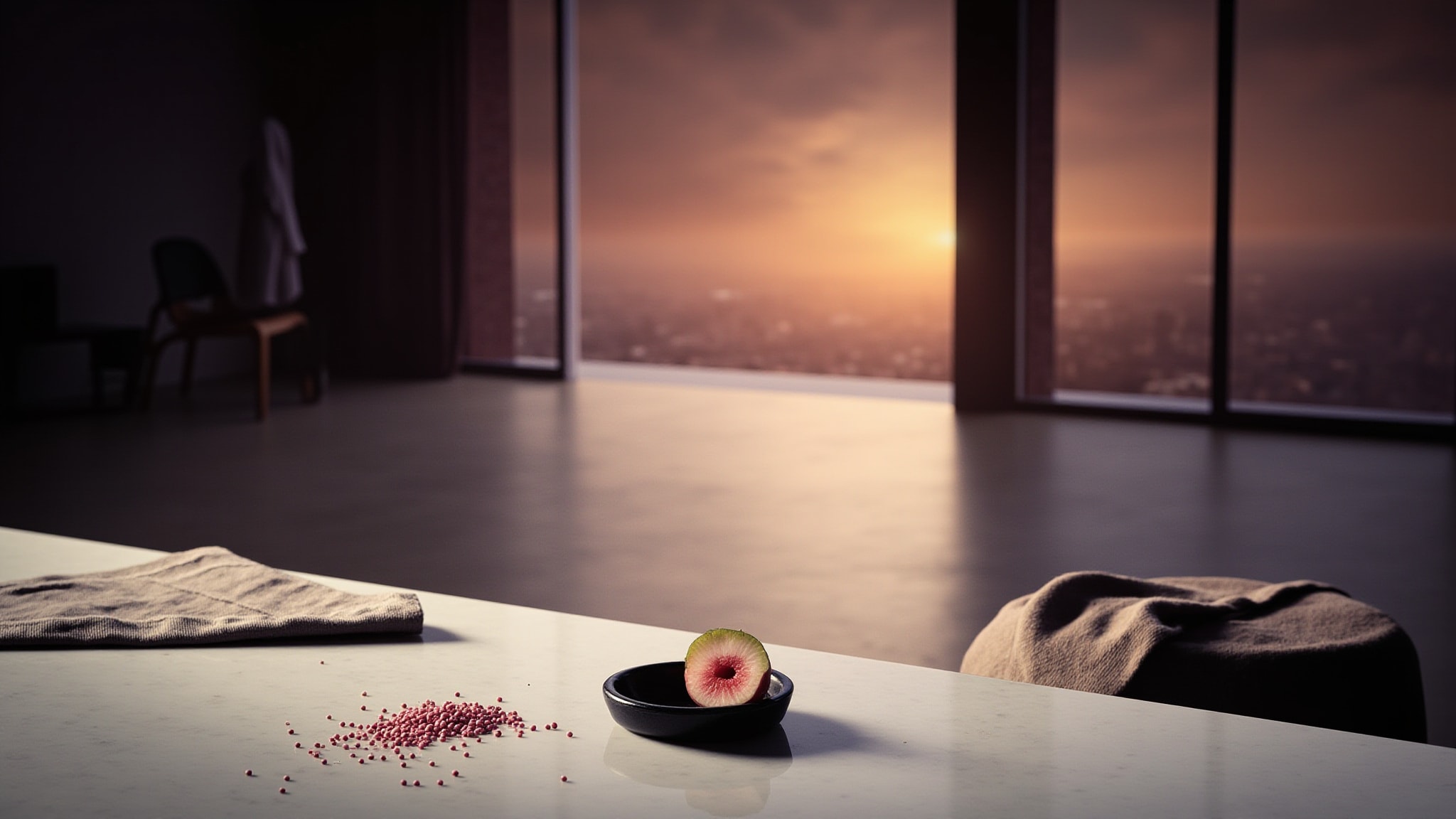
Richard Herpin designed Crépuscule as an olfactory translation of twilight, that suspended hour when day hasn't quite released its grip but night is already pulling at the edges. The name means exactly that: the French word for dusk, the threshold between light and dark. Maison du Roc's philosophy of slow perfume development informed every stage of the composition, nothing arrives too quickly, nothing fades before it's ready. Herpin built the fragrance to unfold across hours rather than announce itself all at once, letting the brighter fruit notes give way gradually to something deeper and more mysterious.
What makes this composition unusual is how deliberately it resists the expected arc. Fruity openings often function as window dressing, a sweet introduction before the 'real' fragrance begins. Here, the raspberry and litchi aren't a preamble. They're part of a conversation with the dark woods underneath, and that conversation doesn't resolve quickly. The rose and jasmine provide breathing room in the heart, but the patchouli and oud are always present, always waiting. It's the structure that makes the longevity meaningful, not just that it lasts, but that what it becomes over those hours is worth the wait.
The evolution
The first thirty minutes read bright, raspberry jam sweetness lifted by pink pepper and a translucent haze of incense. No aggression. It's inviting in the way dusk itself is inviting, that golden hour pause. By the second hour, the sweetness has settled and the smoke has thickened slightly, becoming more resinous than sharp. The rose and jasmine appear here, making the middle feel almost powdery by comparison, a brief softness before the dark woods arrive to take over. At hour four, patchouli and vetiver anchor everything close to the skin. The oud doesn't shout. It breathes. This is when the fragrance becomes intimate, warm, the kind of presence you notice when someone leans in. By hour six, only the musk and the faintest ghost of rose remain, skin-warm, personal, the kind of memory a fragrance leaves behind.
Cultural impact
Maison du Roc positions Crépuscule, and the entire L'Essence du Temps collection, as an antidote to seasonal novelty cycles. The house's slow-perfume philosophy finds its clearest expression here: a fragrance that asks to be worn and rediscovered, not consumed and replaced. Early reception suggests it attracts wearers who appreciate complexity that unfolds rather than spectacle that announces. The kind of fragrance that rewards attention rather than demanding it.
The House
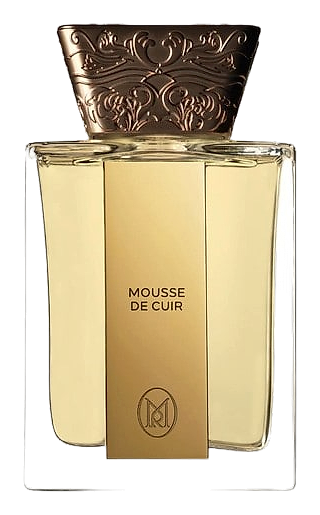
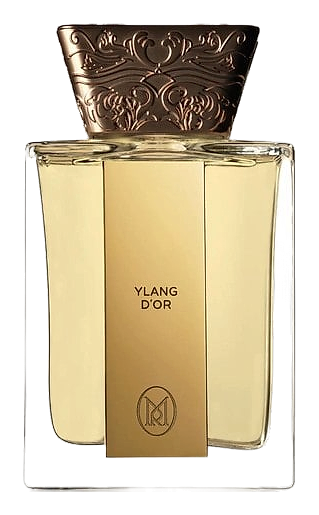
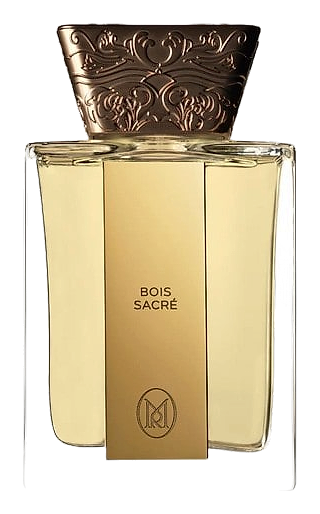
Maison du RocMaison du Roc is a niche fragrance house founded by Raquel Clarke, centered on a philosophy of deliberate, unhurried perfume creation. The name translates from French as "House of the Rock," a concept tied to endurance and timelessness rather than trend-driven scent profiles. The house works primarily with materials described as dark woods, resins, and minerals, creating fragrances meant to develop and reveal themselves over extended wear. The brand has released several notable compositions including Crépuscule, Mousse de Cuir, Bois Sacré, and Ylang d'Or, all emerging in 2024. Maison du Roc positions itself as an atelier-scale house rather than a mass-market producer, with attention to the storytelling dimension of fragrance, from ingredient origin through final bottle presentation.
The Creator
Richard HerpinHis style tends toward carefully constructed accords, often with a grounding base that allows brighter top notes to shine. He's not afraid to use synthetics alongside naturals, blending them seamlessly to create textures and effects that are both modern and timeless.