
The Story
Why it exists.
The beginning
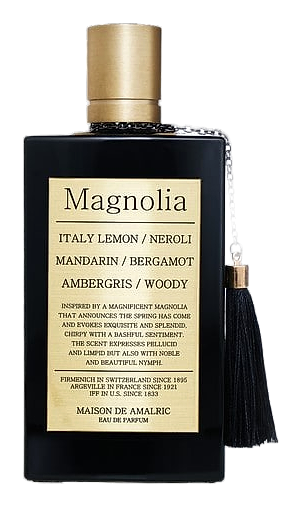
Maison de Amalric presents Magnolia as a study in floral clarity and softened contrast. The name points to the flower's distinctive character: part citrus brightness, part leafy freshness, and part rounded creaminess. Rather than relying on overt sparkle or dramatic depth, the composition seems to follow Magnolia's natural shifts, allowing each facet to emerge without forcing the material into a louder identity. The result is polished but unshowy, with a measured quality that rewards attention to small changes. Magnolia feels like a fragrance about nuance, where freshness and softness meet in a composition that remains composed from the first impression onward.
Magnolia as a perfumery note carries a peculiar dual nature. It is citrusy and lemony at its edges, almost green where the leaves meet the stem, but lactonic and creamy at its core, closer to milk than to any flower most people could name. Magnolia from Maison de Amalric brings those contrasting facets into a balanced dialogue. The brighter impression gives the composition an airy lift, while the creamy register lends softness and depth. The lemon-like quality sharpens the floral accord without turning harsh, and the milky warmth keeps the result from feeling stark.
The evolution
Magnolia begins with a fresh, translucent impression. Lemon brightness and a green, leafy edge give the opening its clearest expression, creating a feeling of cool air and clean petals. The floral accord soon gains body, moving from a crisp first impression toward something rounder and more tactile. Its creamy character becomes more apparent, suggesting the smooth warmth of clean cotton and softly worn skin. Rather than changing abruptly, the fragrance develops through this measured contrast: citrus and greenery provide definition, while the floral base adds comfort and polish. Over time, the sharper edges recede and the composition settles into a gentle, milky softness. A faint sweetness remains in the drydown, delicate but perceptible, with the lingering impression more intimate than conspicuous.
Cultural impact
Magnolia recalls the appeal of fragrance names taken directly from a flower and interpreted through sensation rather than spectacle. The flower's dual character gives the composition an expressive range: citrus and greenery make the opening feel lifted, while the creamy floral accord gives it warmth and depth. Maison de Amalric presents Magnolia as a study in that balance, inviting wearers to explore how contrasting facets can settle into a coherent, elegant expression. Its cultural appeal lies partly in the familiar, and partly in the discovery of a familiar flower rendered with unexpected subtlety.
The House
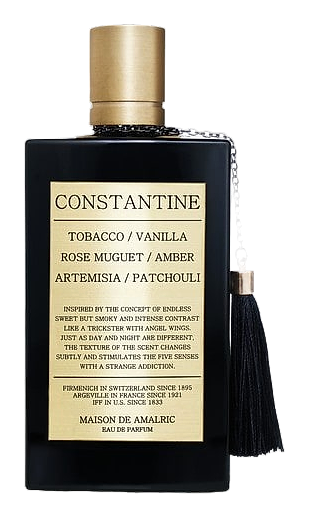
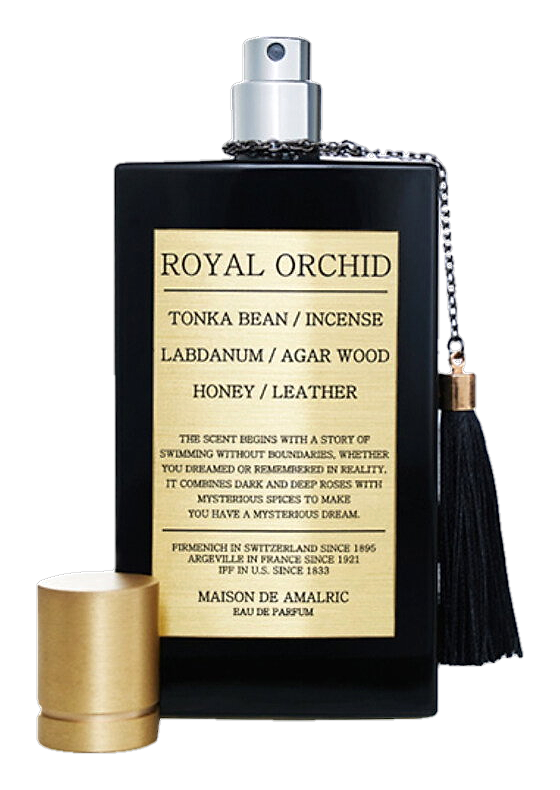
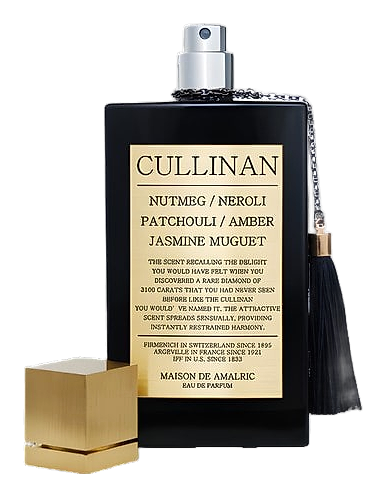
Maison de AmalricMaison de Amalric entered the niche perfume scene in 2022, offering a concise catalogue of five scents that share a common launch window. The brand positions itself as a contemporary French atelier, drawing on the country’s long‑standing reputation for olfactory craftsmanship while keeping the collection deliberately small. Each fragrance—Tahiti, Royal Orchid, Constantine, Cullinan and Magnolia—appears under a single label that emphasizes quiet discovery rather than broad market reach. The name suggests a lineage or place, yet the public record focuses on the scents themselves rather than a detailed corporate narrative.
The Creator
Argeville dsm-firmenich Givaudan IFFNo specific Argeville composition technique or preferred ingredient list appears in the supplied research. Still, the collective’s background supports a working method grounded in fragrance aesthetics, advanced composition and expressive material choice.