
The Story
Why it exists.
The beginning
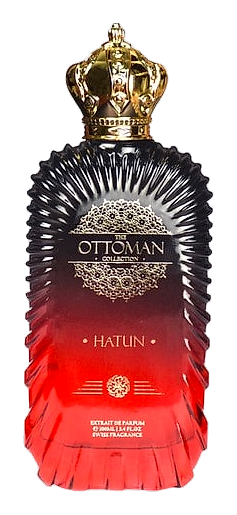
Ottoman Hatun arrived in 2020 as part of Luxodor's Ottoman Collection. A clean, iris-driven composition built around the cooler end of the Eastern palette, iris instead of rose, white musk instead of heavy amber. Not loud. Not ornamental. Considered. The scent opens with a quiet coolness, a powdery iris note that feels pressed and dry rather than buttery or indolic, the kind of rooty, orris-heavy iris that reads more like suede than like lipstick. Beneath that cool surface, there's a softness building, a white musk that doesn't announce itself but slowly fills in the spaces the iris leaves behind, giving the whole thing a skin-like warmth without ever crossing into sweetness.
What's worth noticing is the restraint in the heart. Cedar, cypress, vetiver, and ginger could easily tilt this into a sharp unisex composition, something bracing and dry. The iris at the top keeps that from happening. Iris has a powdery, almost suede-like quality that rounds the woody notes without sweetening them. The ginger adds warmth, but a clean warmth, more skin-heat than spice-cabinet. The vetiver brings an earthy smokiness that grounds the cypress without letting the whole thing smell like a forest after rain. The base is where Luxodor's background as an oil supplier shows. White musk and ambergris together create a clean, slightly saline drydown that reads as skin rather than as perfume.
The evolution
The first ten minutes belong to iris. It's a specific kind of iris, cool, almost mineral, the way powdered orris root smells before it's been warmed by skin. The jasmine underneath it stays quiet, a breath of indolic sweetness that never tips into the lush, tropical territory jasmine can occupy. It's a whisper, not a statement. The opening reads clean, almost cool, like the moment before a room warms up. After about thirty minutes, the woods take over. The cedar arrives first, dry and architectural. Then the cypress cuts in, resinous and green, closer to the smell of crushed cypress leaves than to a freshly cut plank. The ginger starts to glow underneath, a warmth that builds slowly rather than announcing itself. Vetiver appears last in the heart, earthy and slightly smoky, giving the whole composition a grounded, almost meditative quality. The scent shifts from cool to warm without crossing into heavy territory. It stays legible, the kind of fragrance that reads clearly in a close conversation without filling the space around you.
Cultural impact
Ottoman Hatun's restraint is the point. The composition sits at a deliberate distance from the heavier materials and louder projections that dominate much of the category, choosing instead to work in a register that's quieter, cooler, and more controlled. The iris at the heart of the formula doesn't shout. It presses against the skin, powdery and dry, with that orris-root character that feels closer to suede or cool stone than to any floral sweetness. The white musk underneath doesn't add volume so much as it adds presence, a soft, warm undertow that keeps the composition from feeling cold or abstract.