The Story
Why it exists.
The beginning
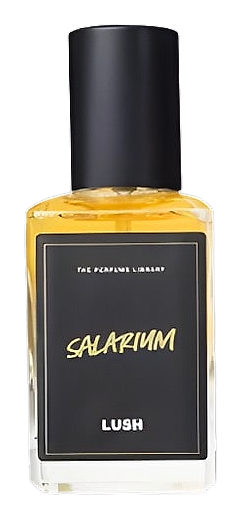
Salarium was created in 1989 by Mark Constantine, originally for Cosmetics To Go. The official word is it was inspired by an evening in Cannes. The 2019 re-release features regenerative neroli oil from Lebanon, folded into the original composition. The name itself nods to salt, to that mineral shimmer that clings to skin after sea wind has had its way with you. A sublimely smooth floral, the brand calls it. Really worth its salt, they add, with a wink that feels very Lush. The juice opens with rose in its starker, less-sweetened register, a flower that still remembers being a flower before perfumery tamed it. That neroli weaves through the top notes, bringing a green-edged brightness that cuts cleanly against the rose's darker facets.
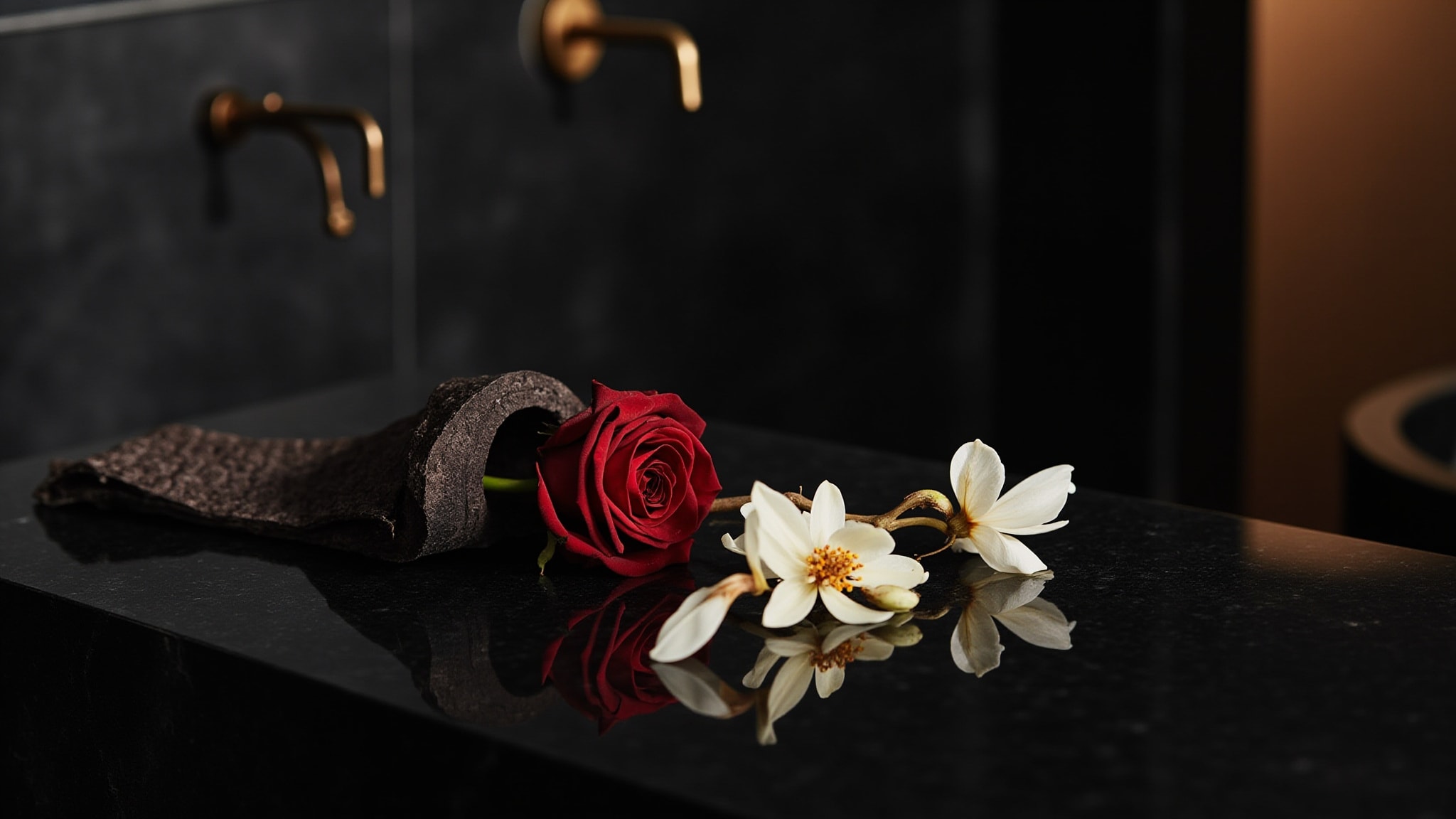
What makes Salarium unusual is the restraint. The rose leads old-school, almost medicinal in its sharpness. The neroli sits at the heart doing something unexpected, bringing that bitter orange flower brightness into a structure usually dominated by darkness. Then the oud underneath stays woody rather than barnyard, more tree bark than animal. The sandalwood rounds the base, adding cream without sweetness. It's a four-note architecture that trusts the materials to do their own work.
The evolution
The rose opens everything, and it's not a polite welcome. There's a sharp edge to it at first, almost aggressive in its clarity, the kind of rose note that hasn't been fed through sugar or fruit to make it palatable. The neroli arrives shortly after, lifting the composition into something brighter, more sunlit, a clean bitterness that pushes back against the rose's darker pull. Then something shifts. The neroli doesn't disappear, it recedes, and the oud starts to speak in its low register. The drydown is where this fragrance earns its reputation. The sandalwood and oud settle into a warm, skin-like finish, the kind of scent that softens into something almost indistinguishable from your own warmth. The rose never fully leaves. It just moves further back, watching from the edges, occasionally surfacing for a breath before settling again.
Cultural impact
Salarium occupies an unusual space, a rose-oud that refuses to perform as one. It stays lean and almost green, a composition closer to a chypre in structure than a denser, more resinous take on the same note pairing. The longevity and projection give it presence without volume, making it a fragrance that registers up close rather than across a room. Within Lush's own catalog, it stands as one of the more complex and divisive releases, a scent that polarizes between wearers who want their florals sweetened and those who prefer them left in their sharper, more austere register.