
The Story
Why it exists.
The beginning
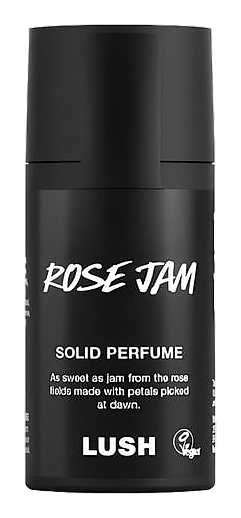
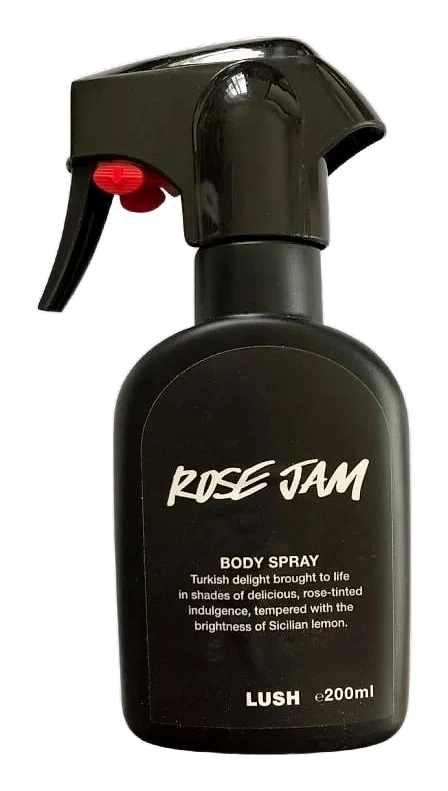
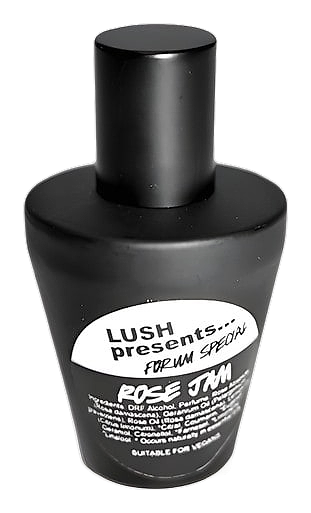
Rose Jam landed in 2012, when Simon Constantine took one of Lush's most beloved bubble bar formulas and asked a simple question: what does this smell like as a perfume? The bubble bar had built a devoted following for its sticky-sweet rose character. The challenge was translating that into a medium without fizz, without the visual drama of a bath bomb dissolving. Just scent. Just rose and lemon and something warm underneath. The answer was Rose Jam the perfume, a limited edition that pulled the same four notes from the bath product and reimagined them for the air rather than the water. Rose absolute and geranium as the heart, tonka bean for warmth, lemon to keep it from cloying. Constantine wasn't reinventing the concept. He was refining it, taking something people already loved and removing every barrier between them and the scent itself.
The notes are few, but they work harder than their short list suggests. Rose absolute from Pakistan brings a honeyed, almost syrupy quality that differs from the lighter Bulgarian rose you find in most florals. Geranium oil adds a green, slightly camphoraceous lift that stops the composition from sliding into pure sweetness. Lemon is the knife that cuts through, bright, immediate, gone within the first fifteen minutes but essential for balance. Then there's tonka bean. It anchors the drydown with a warm, vanillic sweetness that makes the whole composition feel edible without ever crossing into food territory.
The evolution
The opening hits fast, a burst of lemon zest followed immediately by rose absolute, the two notes arriving almost as one. There's no waiting period, no top note revealing itself before the heart appears. Everything is present from the first spray. The geranium shows up within the first minute, adding a slightly bitter, green undertone that keeps the rose honest. By the second hour, the composition has shifted. The lemon is gone. The geranium has settled into the background, providing structure rather than scent. The rose and tonka bean are the only things left talking, and they're talking loudly. This is the heart of the fragrance, sticky, sweet, rosy, warm. It projects strongly in this phase, the sillage filling a small room easily. The drydown is where Rose Jam earns its reputation for longevity. As the rose begins to soften, the tonka bean takes over, creating a warm, powdery, intimate trail that stays close to the skin for hours. On fabric, it can last until the next morning, a faint sweetness that emerges when you least expect it.
Cultural impact
Rose Jam sits among the most beloved fragrances in the Gorilla Perfume line, one of the sweetest and most floral-forward in a collection known for its unconventional personalities. It remains a bestseller since its 2012 launch, drawing in people who discover it through the bath products and want to wear the scent rather than just experience it in the bath. A rare example of a fragrance that became more popular over time rather than fading after its initial release window.
The House
LushLush is a British cosmetics company founded in Poole, England, in 1994 by trichologist Mark Constantine, his wife Mo Constantine, and five additional co-founders. The brand gained international recognition for its hand-pressed bath bombs, which Mo Constantine invented in her garden shed in 1989. Now operating in 49 countries, Lush has evolved from a single High Street shop into a global retailer while maintaining its commitment to ethical manufacturing and cruelty-free products. In-house perfumers Mark Constantine OBE, Emma Vincent, and Alina Gliwinska create the brand's fine fragrances, which are presented through the Perfume Library concept stores in Liverpool, Florence, and London. The fragrance collection spans over 230 perfumes dating back to 1989, organized into thematic volumes that serve as milestones in the brand's perfumery history.
The Creator
Simon ConstantineSimon favors single‑note focus, often building a composition around a pure absolute or essential oil. He pairs a dominant material with subtle supporting accents, allowing the star ingredient to breathe.