The Story
Why it exists.
The beginning
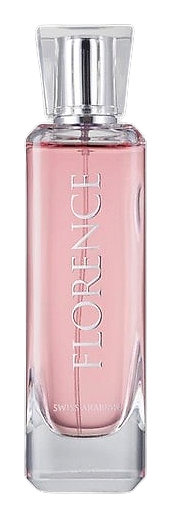
Florence takes its name from the Italian Renaissance city, art history's most elegant address. The fragrance captures that same spirit: refined, warm, unapologetically beautiful. Swiss Arabian built this around a tension that works: the crisp clarity of citrus against the soft warmth of rose and vanilla. A study in balance. The Italian city provides the mood board; the Gulf perfumery brings it to life.
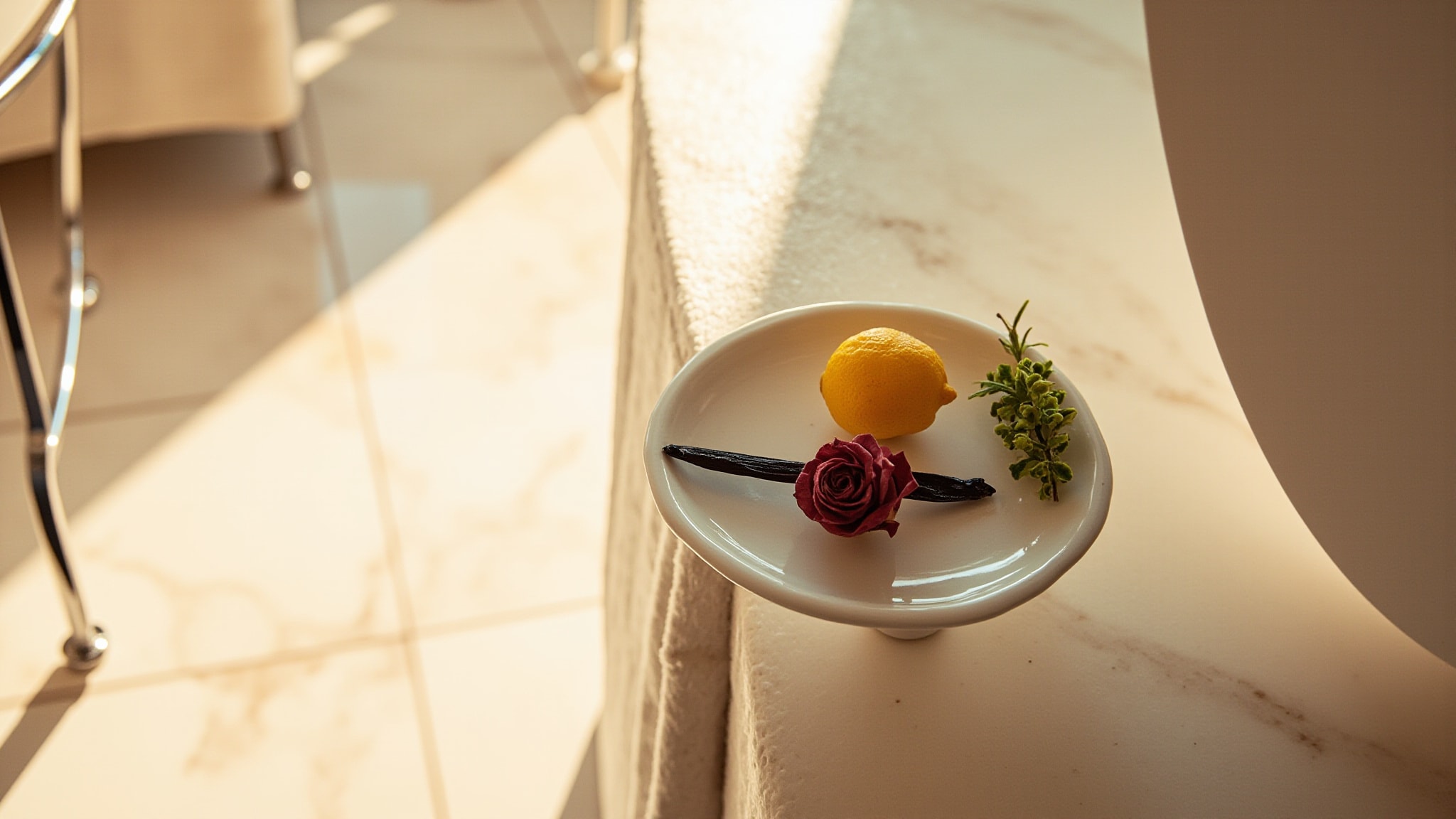
What makes this structure interesting is the praline bridge. It sits between the rose and vanilla, keeping the florals from going austere while preventing the gourmand notes from taking over. Neither fully floral nor fully dessert. The woods don't just anchor the composition, they architect it. Sandalwood brings cream, cedar brings dry warmth, patchouli brings earth. The musk keeps everything intimate, close to the skin rather than announcing itself across a room.
The evolution
The opening is fizzy. Bergamot and lemon create an immediate impression, bright, colorful, like sunlight through a window. That clarity lasts about 30 minutes before the heart takes over. Rose arrives clean and pure, then gets warmth from vanilla and praline. The praline becomes more pronounced as the hours pass, wrapping the florals in something sweet and edible. Around hour three, the woody base begins to assert itself. Sandalwood, cedar, and patchouli converge, not heavy, just present. The musk threads through, keeping the entire composition close to the skin. By hour six or seven, you're left with a warm, sweet impression that most would describe as addictive.
Cultural impact
The warm, sweet-floral-gourmand character makes this addictive. Florence shows Swiss Arabian can do approachable elegance without leaning on heavy oud or aggressive projection. A solid entry for anyone wanting rose-vanilla without the typical intensity. It bridges Gulf perfumery heritage with Italian Renaissance romance, appealing to those who want sophistication without formality.