The Story
Why it exists.
The beginning
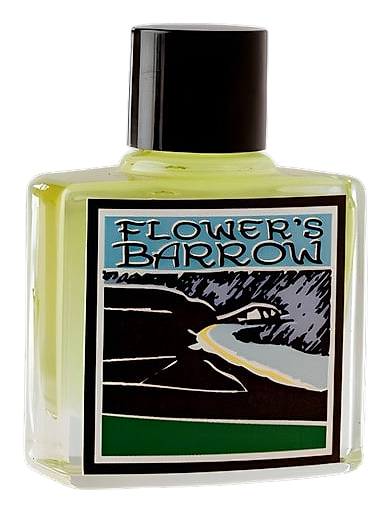
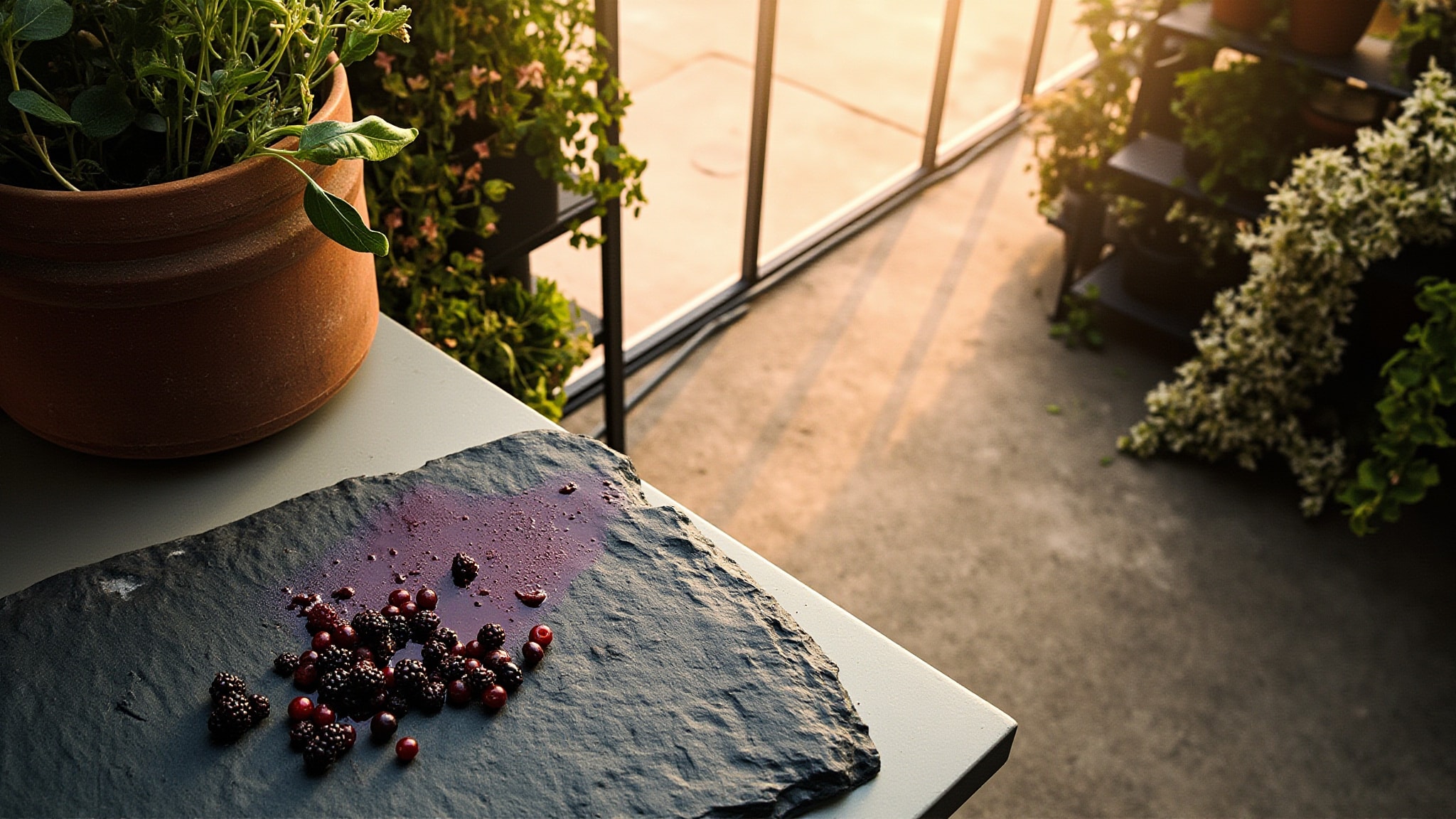
Flower's Barrow is named for an Iron Age hillfort that Romans once occupied, now partially reclaimed by the sea, with foliage growing through old ruins. The fragrance translates that atmosphere: blackcurrant and rose growing brambly and untamed, geranium and chamomile adding balance, sage and thyme giving the whole thing an herbal edge that echoes the wildness of the place. It's a scent about what happens when nature takes back the land. The 2012 release brought a botanical fragrance to Lush's lineup that refused the usual softness.
What makes Flower's Barrow unusual is how it handles rose. In perfumery, rose is often presented as sweet, powdery, or jam-like. This one resists that entirely. The geranium darkens the rose rather than brightening it, the combination pushes toward the garden rather than the perfume counter. The blackcurrant and chamomile work together to create something that smells like actual plants in an actual place, not an idealized version. The sillage stays moderate throughout. It never announces itself loudly, but it doesn't need to.
The evolution
The opening announces itself quickly, blackcurrant's tart berry quality hits first, bright and immediate. Almost simultaneously, the thyme and sage arrive to cut through, keeping the fruit from becoming jammy or sweet. The blackcurrant doesn't linger. Within minutes, rose and geranium establish themselves as the dominant presence, with geranium doing the heavy lifting, darkening what could have been sweetness and pushing the rose toward something more herbal. The herbal quality doesn't recede, it remains woven through the rose, giving the floral an edge that most rose fragrances lack entirely. Chamomile adds softness in the background, but it never takes over. By the time the drydown arrives, the rose and geranium have settled into something quieter, earthier, blackcurrant leaf and a whisper of sage on skin.
Cultural impact
Flower's Barrow has earned a devoted following among those who find most rose fragrances too sweet or too conventional. It's frequently compared to other Lush florals, Sakura, Imogen Rose, Rose Jam, but occupies a more herbal, green space than any of them. The 2012 release has outlasted many contemporaries, still in production. The moderate sillage and impressive longevity make it a practical choice for daily wear, particularly in cooler seasons when the herbal and fruity notes have room to breathe.