The Story
Why it exists.
The beginning
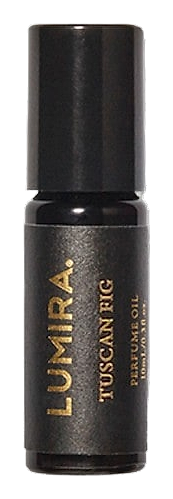
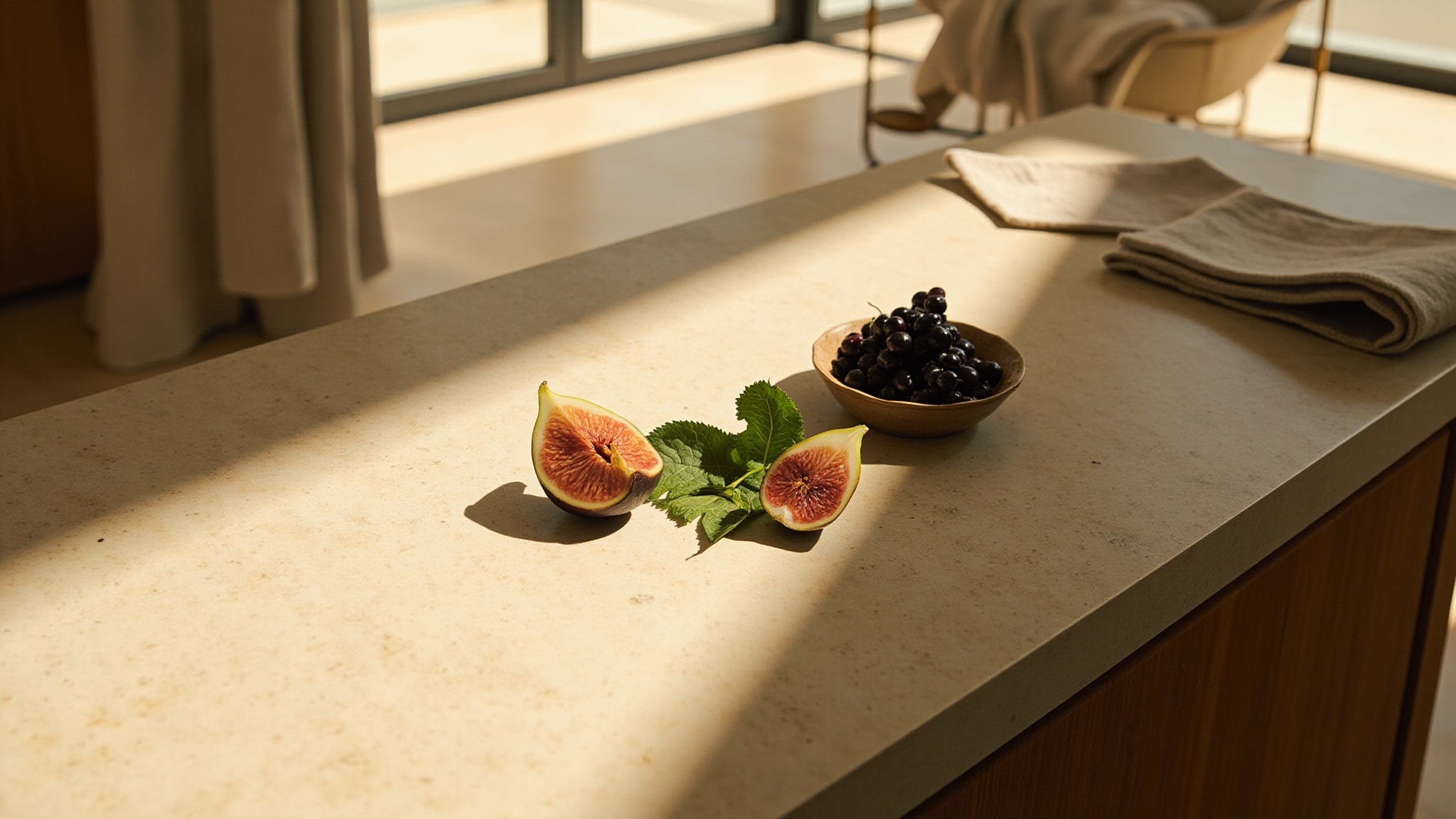
Tuscan Fig arrived in 2016, composed by perfumer Rebecca Akhyani, and it set out to bottle a Mediterranean afternoon with conviction. The brand's own words frame it as ripe figs warmed by sun, leaves fragrant with dew, the countryside humming with something harder to name. The fragrance leans fully into its oil format, which allows the materials to sit closer to the skin and read at a more concentrated volume than a spray would permit. On first contact, the green of fig leaf is unmistakable: there's a vegetal sharpness, almost grassy, that arrives before any sweetness. The fruit itself is present but restrained, more suggestion than statement, the way ripe figs smell in an orchard rather than on a plate.
What makes Tuscan Fig distinctive is what it leaves out, and what it chooses to lean into instead. The composition stays on the green side of fig, pulling from fig leaf and fig tree together, then grounding the whole thing in woody, earthy territory. Mimosa adds a honeyed floral whisper, soft enough to read almost as texture rather than a distinct note. Blackcurrant cuts through with a tart, almost leafy snap that keeps the sweetness honest. The result is a fig that smells grown, not blended.
The evolution
The first few minutes belong entirely to the green. Fig leaf and fig tree together produce something that reads more like torn vegetation than fruit, a sharp, almost bitter quality that wakes the nose. The blackcurrant arrives relatively quickly, tart and almost crunchy, and the cedarwood underneath begins to show its grain. The mimosa enters quietly at this stage, a soft powdery yellow that lifts without sweetening. As the fragrance settles on skin, the iris begins to surface, dusty and cool, sitting on a bed of musk and patchouli. The fig never fully disappears, but it recedes into texture rather than taste, becoming part of the background rather than the foreground. What remains in the later hours is a creamy, slightly mineral drydown where iris does most of the talking and the patchouli hums underneath like a low note on a cello.
Cultural impact
Tuscan Fig holds an interesting position within Lumira's own lineup, drawing on Mediterranean fig orchards, leaves, and the hum of warm countryside air as its central reference point. The fragrance reads softer and greener than many of the brand's other compositions, appealing to wearers who want warmth without weight. The oil format lends itself to this kind of close-skin wear, keeping the fig leaf sharpness and the cedarwood grain present without overwhelming the space around the wearer.