The Story
Why it exists.
The beginning
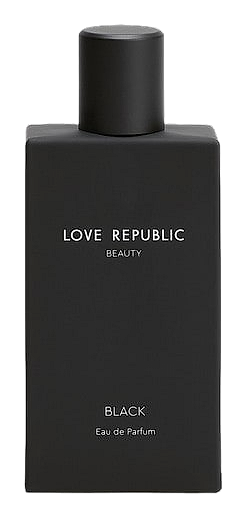
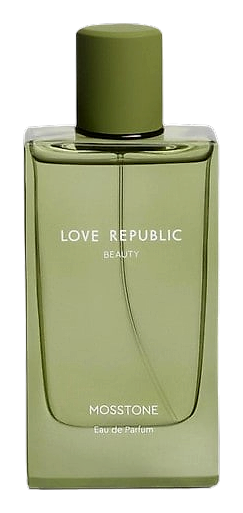
Mosstone arrived in 2026 as Love Republic's answer to something harder to name than a trend. Where the brand's earlier work explored contrast through Shadow and Light, Black and White, Mosstone asked a simpler question: what does the forest smell like before anyone shows up? The name is literal, moss and stone, the damp intersection where green meets mineral. The perfumer built outward from that moment, finding the citrus that could cut through without erasing the earth underneath.
The yuzu-ginger pairing is the structural move here. Yuzu brings a bright, slightly bitter citrus that reads more mineral than sweet, less orange, more cold-pressed peel over ice. Ginger adds heat that stays clean, spice without fire. Together they create an opening that announces presence without demanding attention. The moss-juniper heart is where the fragrance earns its name: juniper's piney, slightly gin-like quality layers under the moss to create something green but not floral, mineral but not metallic. It's the smell of a forest path after rain, when the air is still heavy but the light is breaking through.
The evolution
Verified wear-time data is unavailable. The notes describe the composition, while its development and duration on skin remain unverified.
Cultural impact
Mosstone occupies a specific corner of the niche market, fragrances that smell like place rather than concept. Where many woody compositions reach for abstraction, Mosstone stays grounded in something literal: the smell of damp forest, of stone covered in moss, of a path after rain. The reception has been split along predictable lines. Those who want a fragrance to announce them find it too quiet. Those who want something that rewards attention find it exactly right.