The Story
Why it exists.
The beginning
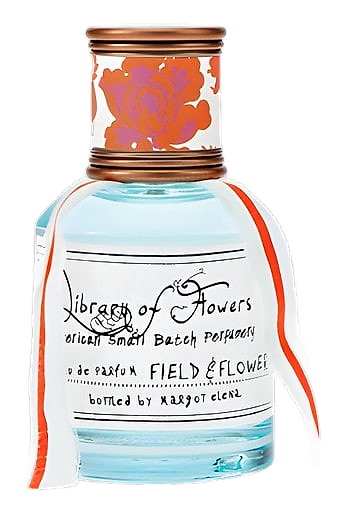
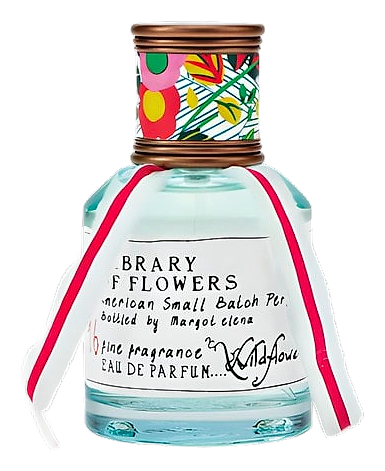
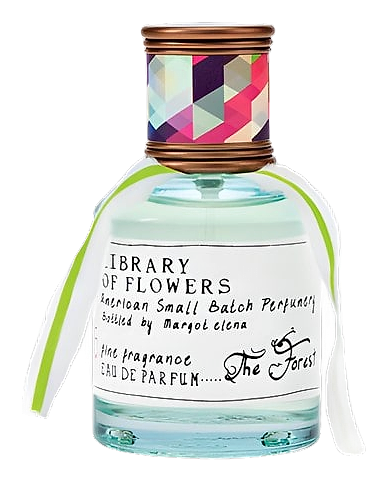
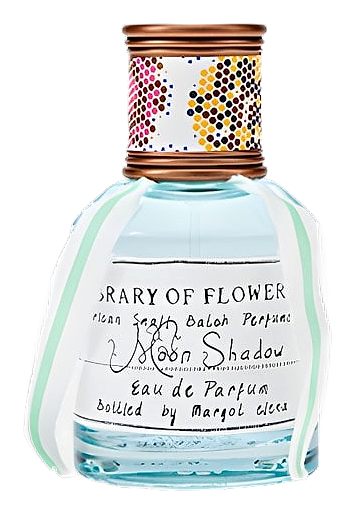
Moon Shadow arrived in 2013 as part of Library of Flowers' debut collection, the ten-chapter launch that established the house's botanical, literary approach. Margot Elena, already running Tokyo Milk and Lollia, built Library of Flowers around a simple idea: capture one plant, one place, one moment, and let the composition breathe. Moon Shadow was the chapter about water at rest, not crashing, not flowing, but holding still. A pond. A lily pad. The hour when the light goes thin and everything reflects back at you. Library of Flowers produces in small batches from Denver, and Moon Shadow carried that handmade sensibility into a category that usually chases volume and projection. Three notes. One mood. No apology for the restraint.
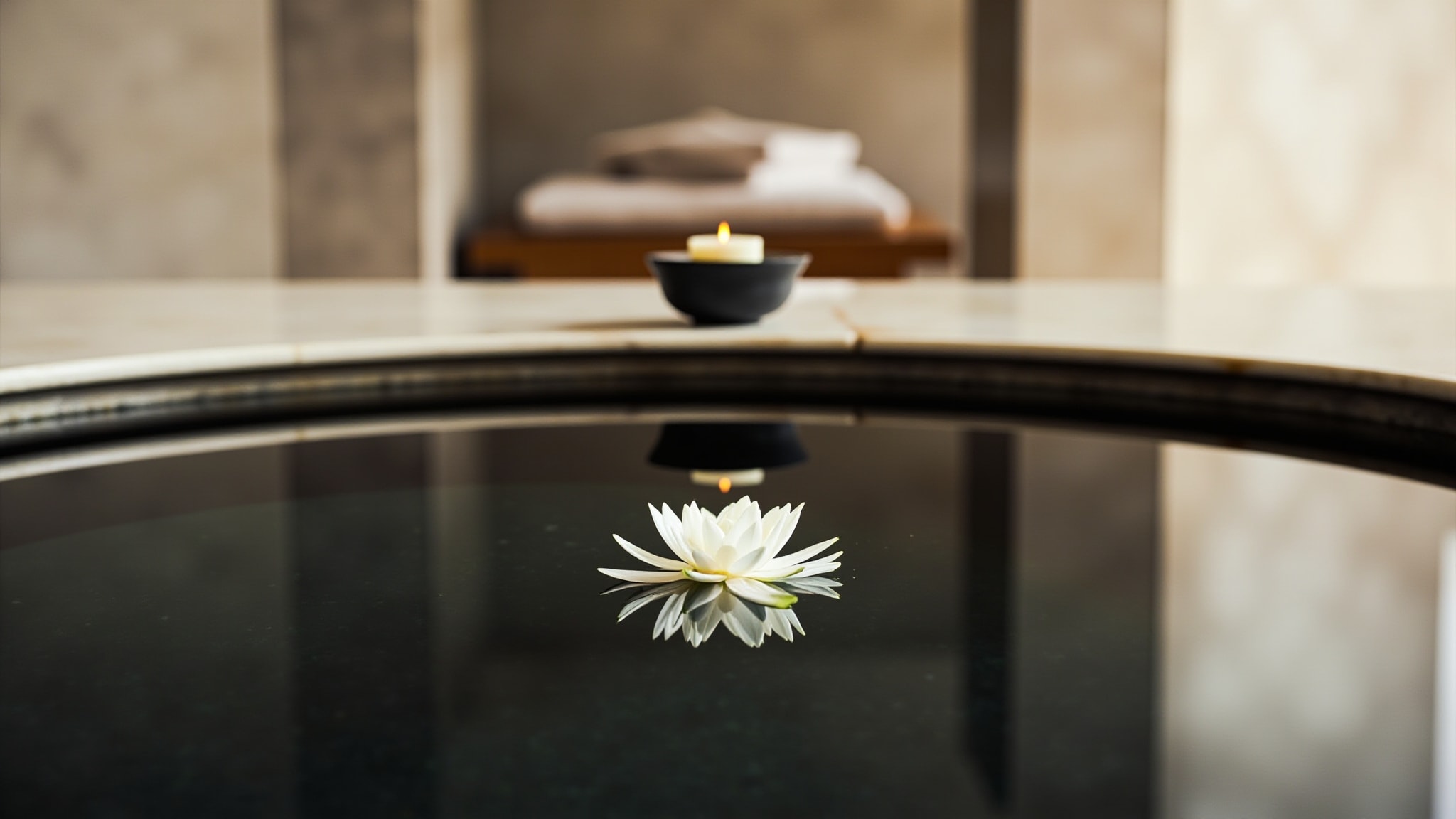
What's interesting about Moon Shadow is what it leaves out. The pyramid is just water lily, lotus, jasmine. Most white florals stack four or five supporting players, a bit of green, a touch of musk, something to make the jasmine behave. Moon Shadow trusts the materials to do that work themselves. The water lily gives the cool, slightly green opening. The lotus deepens it into something almost mineral, like the smell of still water and stone. The jasmine sits underneath, not the star, the undertone that keeps the whole composition from feeling synthetic. It's a three-note architecture that works because each note occupies its own register, and none of them reach for the same space.
The evolution
The first fifteen minutes are all water lily, and the effect is genuinely unusual, cool without being sharp, green without smelling like cut grass. It's the olfactory equivalent of pressing a cold cloth to the back of your neck on a hot day. The water lily fades into lotus within the first hour, and the scent shifts from cool to something more contemplative, the still-water quality intensifying, like the surface of a pond seen from above. Around the two-hour mark the jasmine finally makes its entrance, not as a bloom but as warmth, a skin-like muskiness that suggests body heat rising from under cold water. The drydown is the surprise: jasmine stays close to the skin for another three to four hours, turning creamier and more indolic as it goes, the way real jasmine behaves on a warm evening rather than the sanitized version most fragrances offer. On a sweater the next morning, you'll catch a trace of that jasmine warmth, softened, almost ambery, like the memory of a place rather than the place itself.
Cultural impact
Moon Shadow sits in a specific corner of the fragrance world: the artisanal aquatic, a category that most major houses abandoned in favor of louder, more commercial compositions. Wearers tend to be people who already own several florals and want something quieter, a skin scent for summer that doesn't compete with whatever else they're wearing. It's the kind of fragrance that gets discovered through a friend rather than a department store counter, which is fitting for a small-batch Denver brand. The jasmine's natural indolic character divides opinion, some wear it and never look back, others find it too animalic for something marketed as aquatic. That tension is the whole point.