The Story
Why it exists.
The beginning
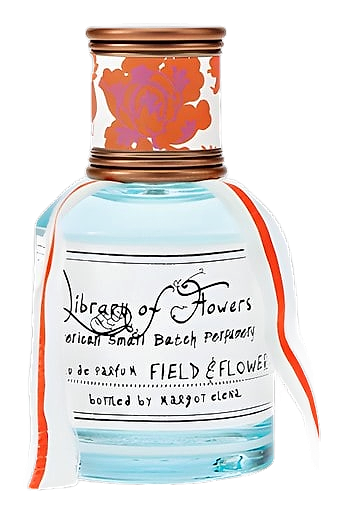
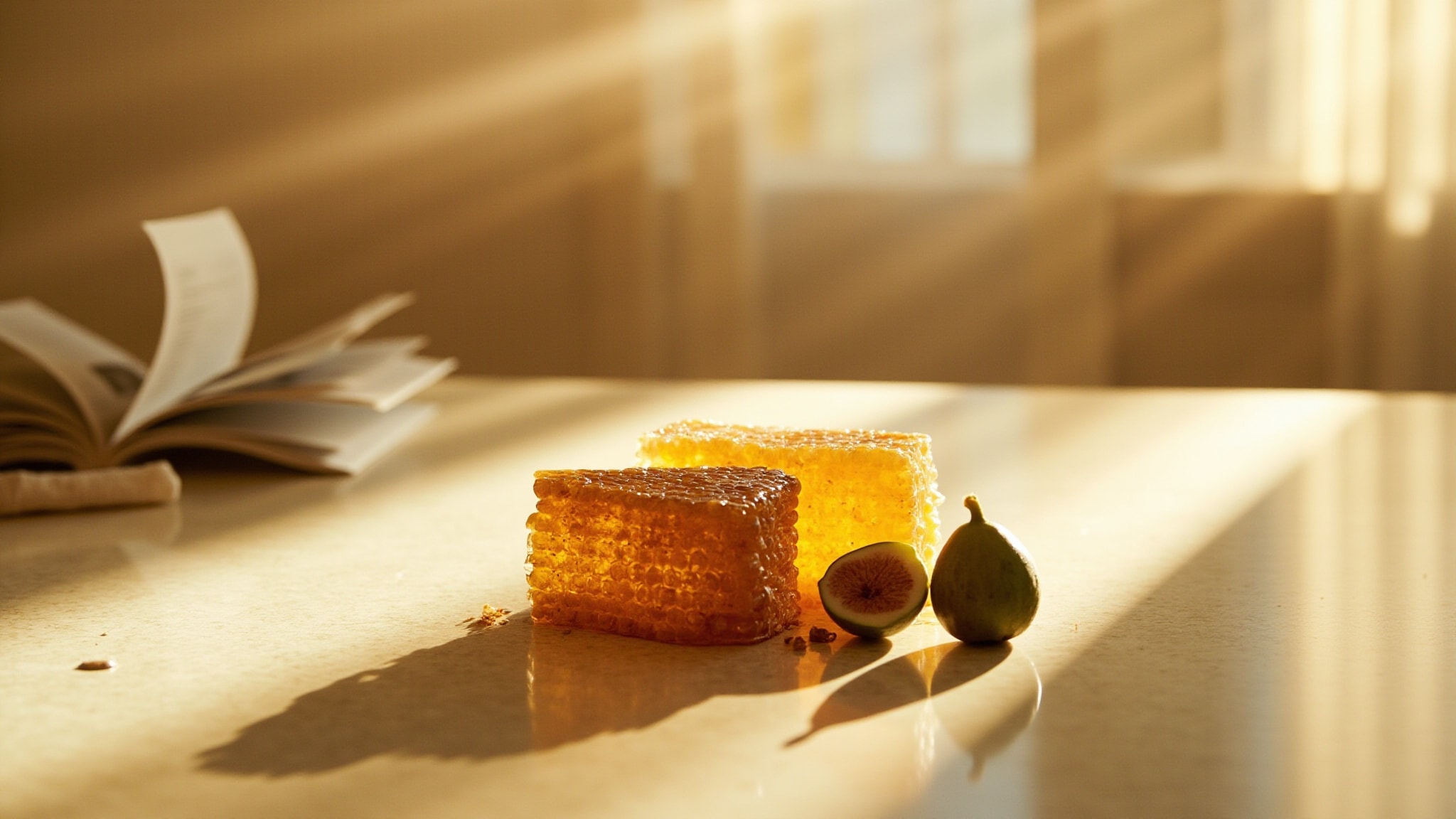
Margot Elena built Honeycomb as a counterargument to what honey fragrances typically do. The brief was simple: capture honeycomb's waxy, almost savory side, not its sticky sweetness. Fig opened the composition, its green, slightly milky quality grounds what could become cloying. The ambrosia heart adds that floral dimension honey needs to breathe. It's not honey perfume. It's the smell of the moment before the sweetness arrives.
The real tension lives between fig's dryness and honey's natural sweetness. These two shouldn't balance easily, but they do, because Elena let them stay themselves rather than smoothing the edges. The waxy, chewy quality in the drydown isn't an accident. It's the honeycomb structure itself, the geometry of the wax cells translated into scent. That slight vegetal note underneath? That's the comb.
The evolution
Fig hits first, green, a little milky, like the stem of a ripe fig cut open. Sugar adds brightness but not sweetness, more like the smell of a market stall than the fruit itself. Then the honey arrives, and here's the thing: it's cool. Not cold, but cool. Floral honey, not syrup. The kind that sits in the comb without pooling. The drydown is intimate. Warmth close to the skin, honey that's almost waxy, and underneath it all, something clean. Fades to skin rather than to air. Lingers where it was applied, quiet and present, for one to three hours depending on your skin. A next-day trace on fabric reads like beeswax and morning light.
Cultural impact
Honeycomb caught on with people tired of honey fragrances that go one direction: sweet, sticky, warm. Its cool, waxy interpretation earned a loyal following among those who appreciate restraint. The intimate sillage means it never overwhelms, which made it a favorite for office wear and closer-proximity moments. It's been in continuous production since 2013, a quiet constant in the Library of Flowers chapter.