Ambrosia
In perfumery, ambrosia evokes the food of the ancient Greek gods — a warm, honeyed nectar that has become a signature of oriental and amber compositions.
Character
How it smells
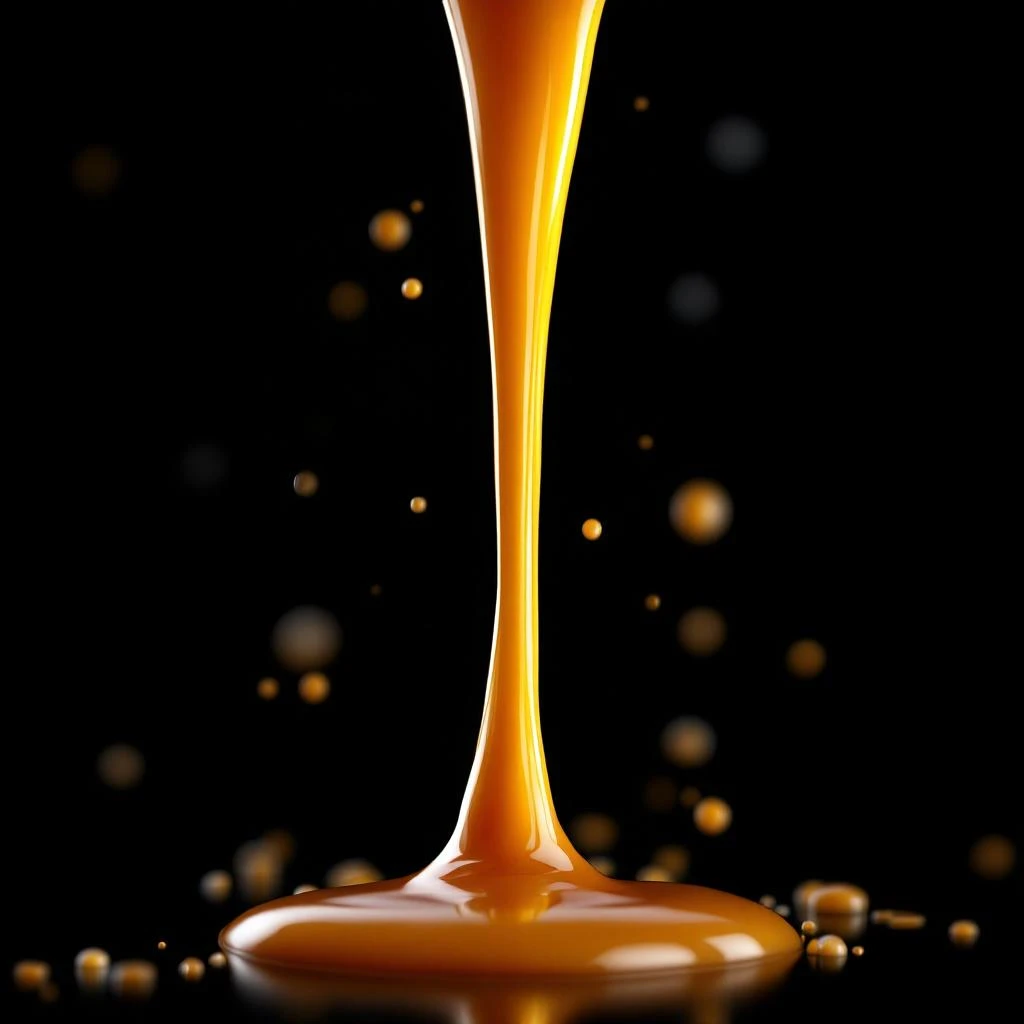
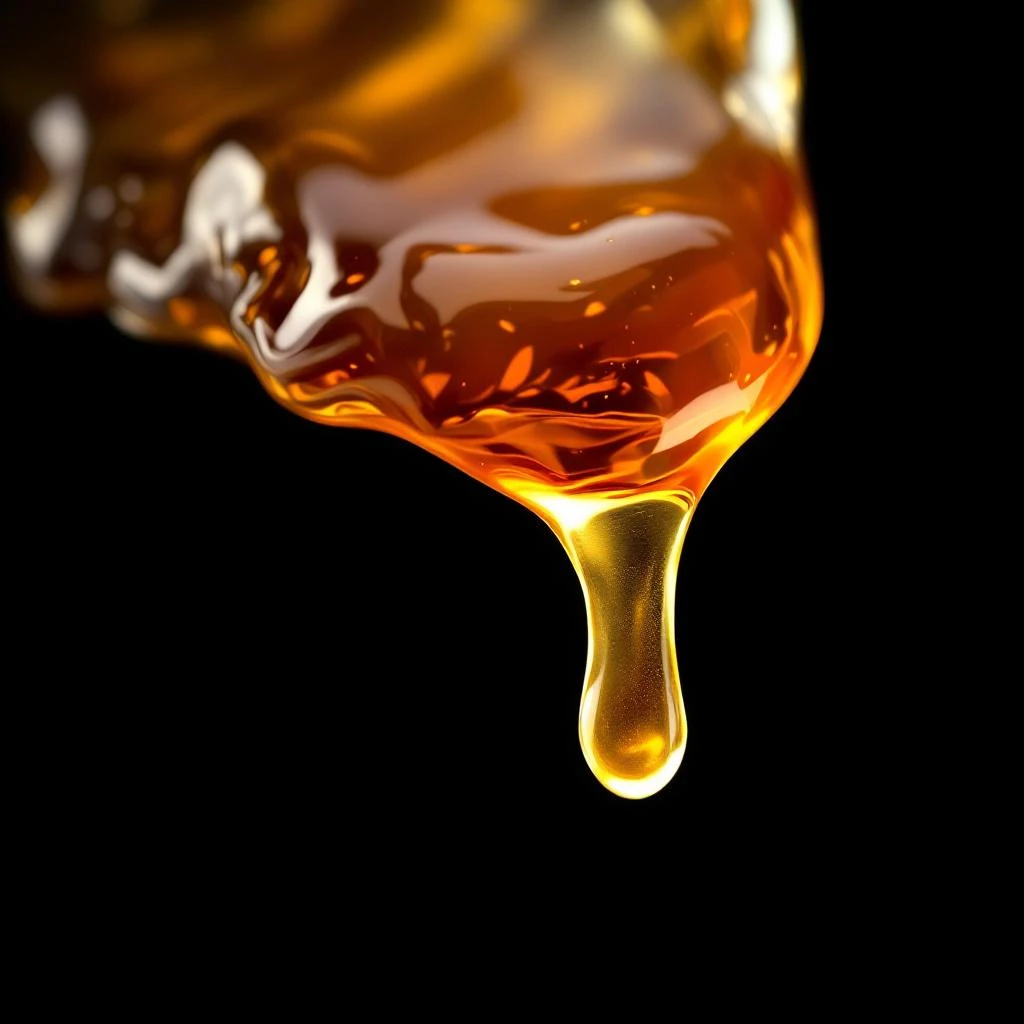
Divine honey, captured in scent form.
Ambrosia in perfumery is named after the mythological food of the Greek gods, believed to grant immortality to those who consumed it.
Pairs beautifully with
Origin
United States
The word ambrosia comes from the ancient Greek 'ambrotos,' meaning immortal. In Greek mythology, it was both the food and drink of the Olympian gods, conferring eternal life upon those who consumed it.
The gods used ambrosia not just as sustenance but as a sacred substance associated with ritual purification and divine fragrance. When ancient Egyptians and other civilizations began crafting perfumes, they sought to recreate this mythological perfection — scents worthy of the gods.
The perfumery term 'ambrosial' eventually came to describe any warm, honeyed, divine-smelling note. While the botanical source (ragweed) is a modern discovery, the concept of ambrosia as the ultimate fragrance of immortality stretches back thousands of years, making it one of perfumery's most mythologically rich ingredients.
Wears it best
Fragrances featuring Ambrosia

Brands
Brands known for Ambrosia
Good to know
Questions, answered
The essentials on Ambrosia in perfumery: how it smells, where it comes from, and how it behaves on skin.
Is ambrosia a natural or synthetic ingredient in perfumery?
Both. True ambrosia absolute is extracted from ragweed via solvent extraction, but this material is rarely used due to allergen concerns. Most modern ambrosia notes in perfumes are synthetic reconstructions built from aromatic molecules that replicate the warm, honeyed, slightly green character of the original botanical material.
What does ambrosia smell like?
Ambrosia reads as a warm, honeyed nectar with soft floral undertones and a faint herbaceous-green edge. It evokes sun-dried honey, sun-warmed skin, and the idea of something divine or immortal — rich but not heavy, sweet but grounded by resinous warmth.
Where does the name ambrosia come from?
Ambrosia comes from the ancient Greek 'ambrotos,' meaning immortal. In Greek mythology, it was the food and drink of the Olympian gods, believed to grant eternal life. Perfumers adopted the term to describe any fragrance with a heavenly, honeyed warmth that evokes divine perfection.
How rare is ambrosia in perfumery?
Ambrosia absolute from ragweed is extremely rare in commercial perfumery due to allergen regulations and supply constraints. Most perfumers work with synthetic reconstructions or blend honey, tonka, and warm resinous materials to achieve an ambrosial effect. True ambrosia absolute appears in only a handful of niche compositions.
What is the difference between ambrosia and honey notes?
Honey is a single natural material with a specific sweet, slightly floral aroma. Ambrosia is a more complex fragrance concept — a blend of honeyed warmth, soft florals, and faintly green or resinous undertones that together evoke something more ethereal and divine than honey alone can achieve.
Is ambrosia safe to use in perfume?
Synthetic ambrosia notes used in modern perfumery are fully IFRA-compliant and safe for consumer use. The natural ambrosia absolute from ragweed contains allergenic sesquiterpene lactones, which is why most perfumers opt for synthetic reconstructions that deliver the same aromatic character without the allergy risk.
Which fragrance families use ambrosia?
Ambrosia appears most often in oriental and amber fragrances, where its honeyed warmth complements vanilla, tonka bean, benzoin, and warm spices. It also shows up in woody compositions and some chypre structures, where it adds a luminous, slightly sweet dimension to the base.
Does ambrosia appear in classic perfumes?
Ambrosia as a named note became more common in late 20th and early 21st century perfumery, particularly in oriental and designer fragrances. While it rarely appears in vintage classics from the early 20th century, it has become a staple of modern amber and gourmand compositions seeking a warm, honeyed, slightly mystical quality.