The Story
Why it exists.
The beginning
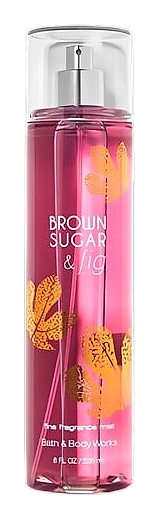
The perfumers, David Apel, Clément Gavarry, and Honorine Blanc, built this around a simple premise: what if fig wasn't green and austere? What if it leaned into warmth instead? Brown sugar, coconut milk, caramel. The composition reads like a kitchen staple, not a boutique find. Sweetness isn't an accent here, it's the whole point.
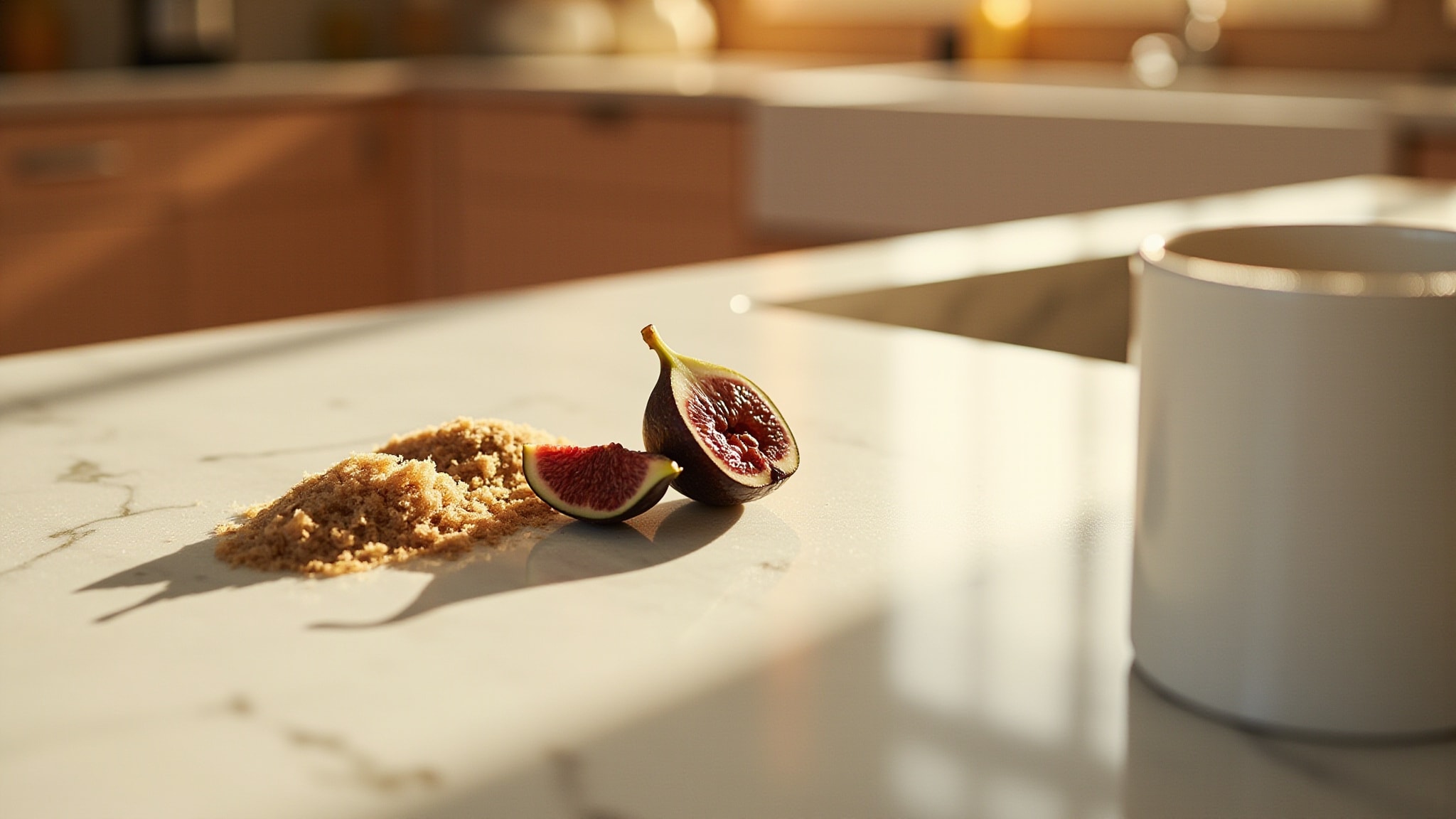
Fig in fine fragrance usually means one thing: green, slightly bitter, the kind of note that smells like the tree's trunk rather than the fruit's flesh. Brown Sugar & Fig took that expectation and flipped it. The fig here is ripe, almost jammy, the fruit as it sits in brown sugar syrup, already softening. Coconut milk amplifies the edible quality, while caramel and maple build a base that smells like something you'd actually want to eat. The result is a fig fragrance for people who don't think they like fig. It disarms. Then it hooks.
The evolution
Bergamot and fig arrive together, citrus-fresh, slightly green. Passion fruit adds tropical brightness alongside white peach. For the next several hours, coconut milk settles in with vanilla cream, freesia, and lily of the valley, the comfort-zone heart that makes this feel like a warm kitchen rather than a perfumery. Then the drydown: amber, caramel, and maple, with fig leaf providing a green counterpoint to all that sweetness. Musk keeps everything grounded and close to the skin. The last hour smells like brown sugar dissolving on warm skin, sweet, warm, intimate. Lasts 6-8 hours on most skin types. On dry skin, the coconut milk can fade faster, leaving the caramel and maple to carry the drydown alone.
Cultural impact
Launched in 2016, Brown Sugar & Fig found its audience among those who wanted sweetness without pretension. It's the kind of fragrance that becomes a signature not because it's loud, but because it's reliable. Worn by people who prioritize comfort over complexity. Its loyal following proves that sometimes the most memorable scents are the ones you can count on.