The Story
Why it exists.
The beginning
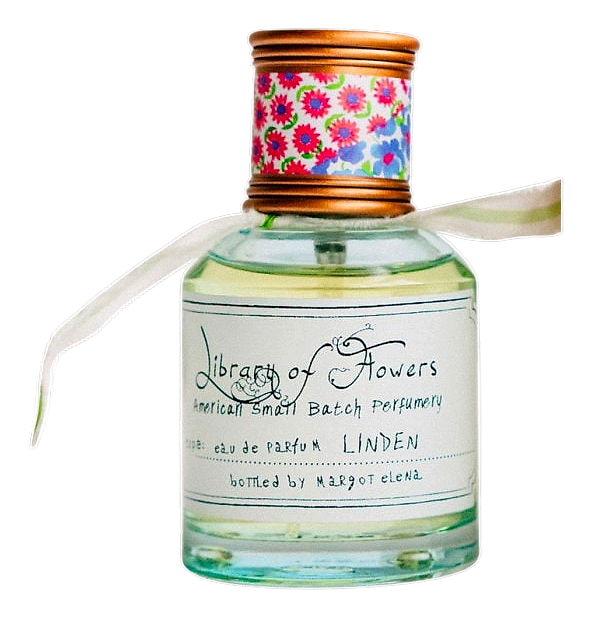
Library of Flowers released Linden in 2013, and the fragrance takes its name and character from a single, specific natural impression rather than a constructed fantasy. Margot Elena, the brand's perfumer, treats each scent as its own contained piece, and Linden is built entirely around the blossoms of the linden tree. Linden trees in full bloom produce one of the most distinct olfactory events in the temperate world, a scent that is honeyed, green, and unmistakably floral all at once. The composition centers on linden blossom, with narcissus woven through the heart and clover honey anchoring the base. There's no attempt to dress the flower up or translate it into something more commercial. The focus stays on the blossom itself and the way its honeyed sweetness carries through the wear.
What makes Linden interesting structurally is what it leaves out, and what remains is a tight three-note architecture. It's linden blossom over narcissus over clover honey, and that's the whole arrangement. The narcissus adds an earthy, almost vegetal quality that keeps the linden from reading as purely sweet. Without that counterweight, the fragrance would drift toward confection. With it, the composition holds its shape and gains a kind of groundedness that makes the honey underneath feel earned rather than applied.
The evolution
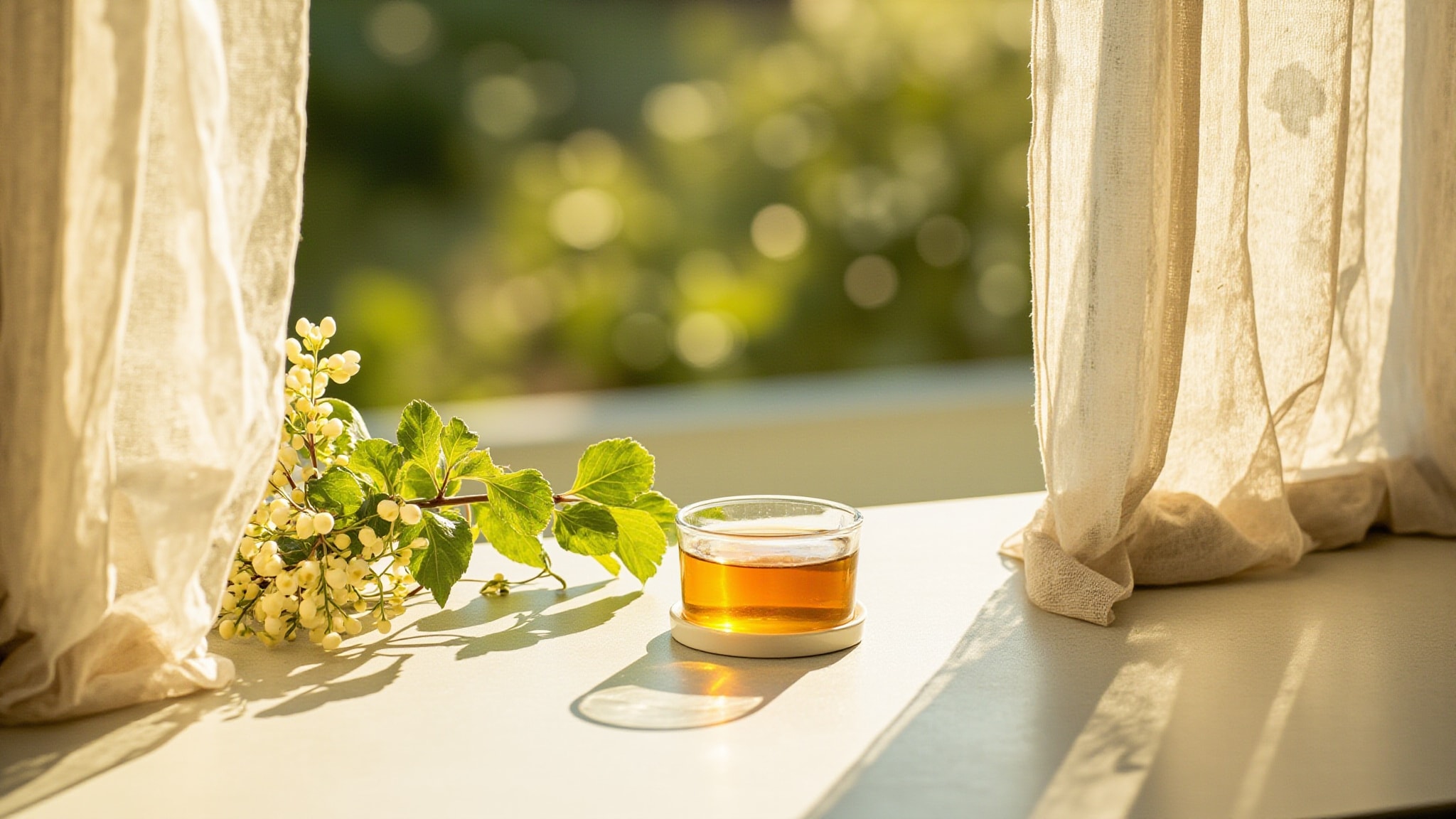
Linden doesn't so much open as arrive, green and creamy and faintly soapy, like breaking a stem and finding the scent already inside. The honey underneath starts to register almost immediately, giving the opening a warm sweetness that sits beneath the cooler green of the blossom. The narcissus emerges quickly and pushes forward, adding a mineral, slightly earthy edge that keeps the sweetness honest. This is the phase that surprises people, because narcissus smells nothing like what most people expect a floral heart to smell like. The combination of honeyed blossom and green narcissus creates something that reads more like a garden in June than a perfume. As the hours pass, the clover honey takes on more of the composition's weight, and linden fades into a soft, warm, skin-like sweetness.
Cultural impact
Linden sits in a specific niche: the audience seeking single-flower fragrances that actually smell like the flower. That attracts fragrance newcomers who want something recognizable and collectors who appreciate a linden rendition done with care. The fragrance has the kind of quiet authority that rewards attention, and the composition's restraint is part of what makes it memorable. Rather than building a scent that tries to please everyone, it commits to a single blossom and lets that commitment do the talking.