
The Story
Why it exists.
The beginning
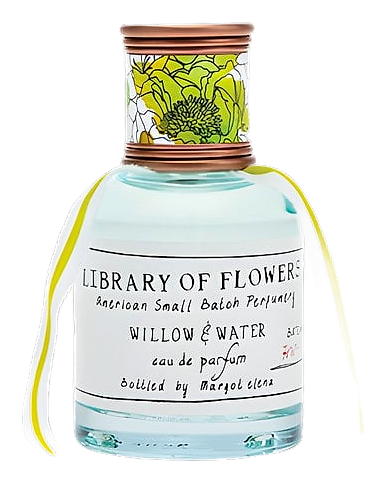
Willow and Water belongs to Library of Flowers' first chapter, the original ten scents launched in 2013 that established the brand's literary approach to fragrance. Each scent is a named chapter, a single moment captured rather than a constructed perfume. This one needed no elaborate backstory. Just the image: a willow tree at water's edge, greens dipping into still water, lotus rising. Margot Elena built Library of Flowers as a botanical library, and this chapter reads like the opening line of a poem about a particular pond on a particular morning.
What makes this composition unusual is the watercress. In most fragrances, aquatic greens appear briefly at the top, a fleeting freshness that clears the way for heavier heart notes. Here, watercress anchors the base. It stays. The cool, mineral, almost peppery green of cress becomes the foundation that lotus rests on, rather than a supporting player. Green notes open the story, lotus sweetens the middle, and watercress closes it with the hush of a pond surface at dusk. Three notes. One clear arc. Nothing fights for attention.
The evolution
The opening arrives clean. Cut greens, dewy and bright, that snap of stems just severed from root. No sharpness, no bitterness. The green is fresh but softened, like morning mist on a garden. Within minutes, lotus enters. Not heady. Not indolic. Just a delicate sweetness that reads more like the memory of a flower than the flower itself. Then the watercress. That's the tell. It arrives quietly, mineral and cool, turning the sweetness of lotus into something more interesting, a green that lingers instead of fading. The drydown stays close. Moderate sillage means this is a scent you wear for yourself as much as for others. Four to six hours on most skin, settling into something that smells like still water at dusk.
Cultural impact
Willow and Water occupies a quiet corner of American artisanal perfumery, discontinued now, but remembered by those who found it. It belongs to the school of fragrance that values a single clear idea over layered complexity. For wearers who want something spa-clean without being clinical, this chapter still gets recommended. The brand's literary framing attracted a certain reader: someone who buys fragrance the way they buy poetry, for a specific feeling, not a performance.