The Story
Why it exists.
The beginning
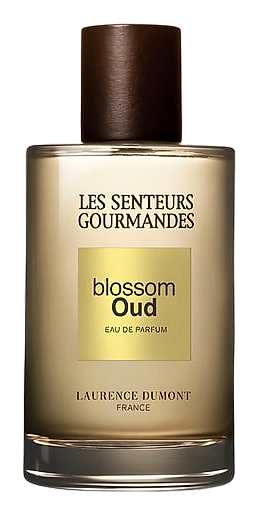
Blossom Oud arrived in 2013 as Les Senteurs Gourmandes tested a question the house had been circling for years: what happens when the florals lead, but the oud stays? The brand built its early reputation on gourmand warmth, vanilla, spice, sweetness, but the 2005 release of Incense Oud showed a willingness to go darker. Blossom Oud sits between those two instincts. Not pure indulgence, not pure shadow. A bridge.
The structure is what makes it interesting. Ylang-ylang and spice open warm and immediate, but the heart, jasmine, rose, cedar, doesn't soften the composition. It gets absorbed by it. The florals don't fight the woods; they become part of them. Cedar from Lebanon gives a particular resinous quality, and sandalwood adds a creamy warmth that keeps the oud from turning harsh. White musk and amber pull everything toward powdery closeness. It's an oud composition for someone who finds most oud too aggressive. The florals don't apologize for the woods. They walk in first.
The evolution
Blossom Oud opens with ylang-ylang and spice, warm, almost heady. The spice doesn't sting. It cushions. Within minutes, jasmine takes over, but this isn't the soapy, indolic jasmine of summer gardens. It's creamy, dusty, shot through with cedar from the first moment. The rose arrives quieter, more texture than note, blending into the wood rather than standing apart. Then the base registers: sandalwood and oud arriving together, the oud darker and more resinous, the sandalwood smoothing its edges. Amber adds warmth without sweetness. The drydown lasts four to six hours on most skin, moderate sillage, close to the body. By the end, it's mostly white musk and wood, a quiet finish that stays present without announcing itself. What surprises most people is that the oud never takes over completely. The florals soften it. The woods absorb them. The result is something warmer and more powdery than the note list suggests.
Cultural impact
Blossom Oud occupies an interesting position in the niche market, neither the aggressive oud of pure orientals nor the safe florals of mainstream perfume. It speaks to a wearer who's curious about oud but hasn't found a version that doesn't feel like a statement. The composition moderates the note rather than amplifying it. That restraint has made it a recommendation for people new to oud, and a quiet favorite among those who find most oud too heavy. The French niche market has long valued this kind of accessibility within complexity, fragrances that reward attention without demanding it.