
The Story
Why it exists.
The beginning
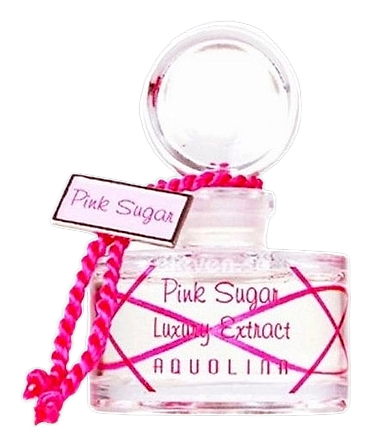
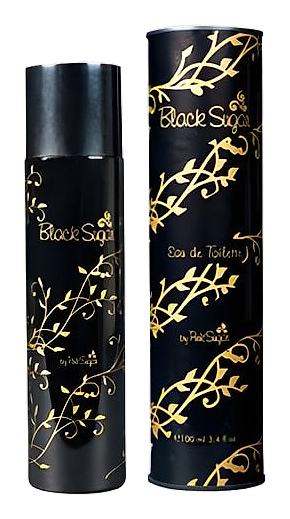
In 2004, Aquolina released Pink Sugar and changed what accessible fragrance could smell like. By 2013, the brand had spent nearly a decade translating confection into couture. Black Sugar arrived as the darker axis of an otherwise relentlessly sweet collection. The flacon spoke first: black glass, decorative Arabic motifs in gold. Not pink. Not rounded and approachable. This was a statement in the same visual language as the original, only inverted. Discover your dark side, the brand said. The name said everything. Sugar was the brand's signature note across its entire range. Black was new. The fragrance opens with bright, fruity sweetness, raspberry and vanilla arriving together, sugared and immediate, with none of the delay that heavier orientals use as a structural choice.
What makes Black Sugar work is the tension between its register and its materials. Vanilla at this concentration is inherently sweet, almost sticky. Aquolina did not soften it or hide it behind fresher top notes. Instead, the composition builds around it: amber and myrrh amplify the warmth, oud and leather provide the counterweight, and raspberry sits underneath everything as a reminder that this is still a gourmand fragrance, just one that grew up. The union of amber, myrrh, and oud is the structural core. These three materials share a resinous, balsamic quality that creates cohesion rather than competition. Vanilla and raspberry then slot into that structure without disrupting it.
The evolution
The opening hits bright and fruity. Raspberry and vanilla arrive together, sugared and immediate, with none of the delay that heavier orientals use as a structural choice. This is a confident start. For the opening act, Black Sugar reads almost like a daylight fragrance: sweet, fruity, with the warmth of amber already beginning to pulse underneath. Then the leather enters. Not animalic, not harsh, but present and deliberate. It does not crash the party. It interrupts it. The raspberry retreats, the vanilla thins slightly, and suddenly the composition has an edge. Incense appears in the background, adding a thin line of smoke that connects the fruity sweetness to the darker materials arriving below. Oud, myrrh, and sandalwood begin their work at the base, and the fragrance shifts from flirtation to something with more gravity.
Cultural impact
Black Sugar arrived in 2013 as the darker axis of an otherwise relentlessly sweet collection. Where the Pink Sugar line extended its signature without challenging it, Black Sugar took the brand in a new direction. The response from wearers was split in the way that interesting fragrances tend to be: some found the leather and oud too far from what they came for, while others embraced the darker direction entirely. That tension is the point. The same instinct for edible pleasure could produce something with real teeth.