










    Home/Brands/Aquolina
    Brand Profile

    Aquolina

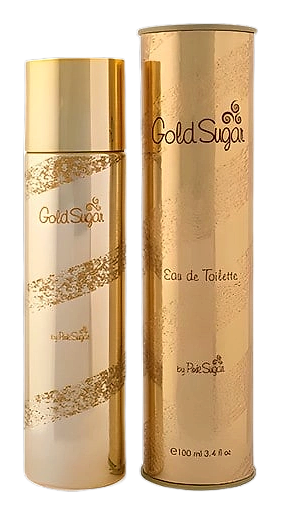
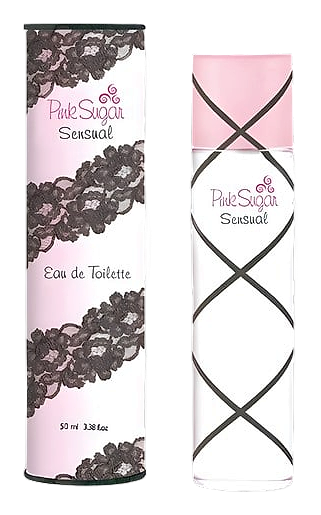
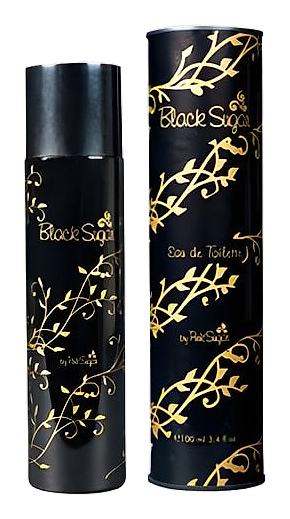
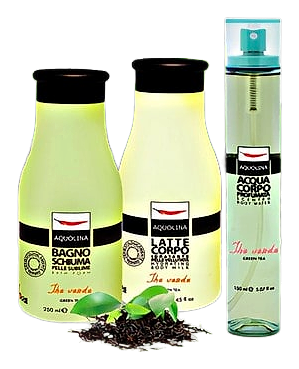
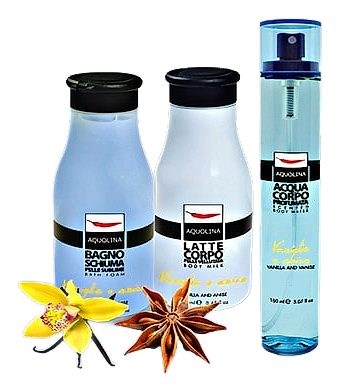
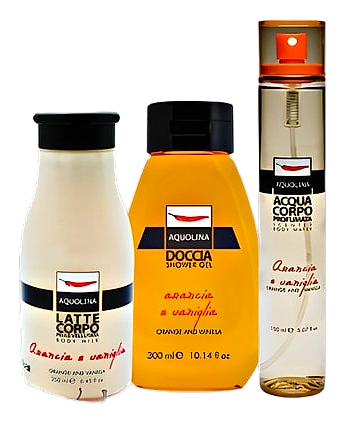
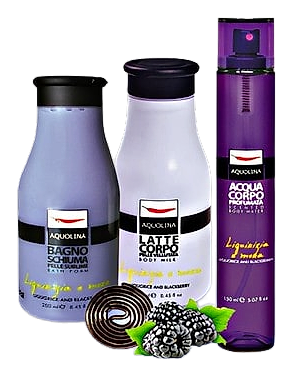
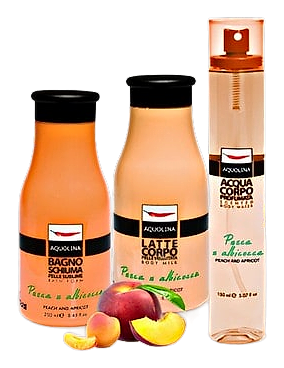
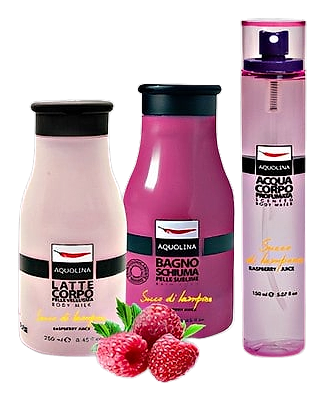
    Aquolina is an Italian fragrance brand specializing in sweet, playful gourmand scents. Part of the Paglieri family conglomerate via its Selectiva division, the house became internationally recognized for its youth-oriented approach to perfumery, translating edible fantasies into wearable fragrances. The brand offers an extensive range spanning body care, cosmetics, and perfumes, all built around a signature style of sugary, comforting accords.

    ItalyEst. 2001
    21
    Fragrances
    4.0
    Avg rating
    Shop the collection
    SignaturePink Sugar
    Pink Sugar
    EDT
    Community
    4.0
    Average rating
    across 21 fragrances
    Collection
    21
    Fragrances and counting
    Heritage
    2001
    Founded in Italy

    Heritage

    A house, in its own words

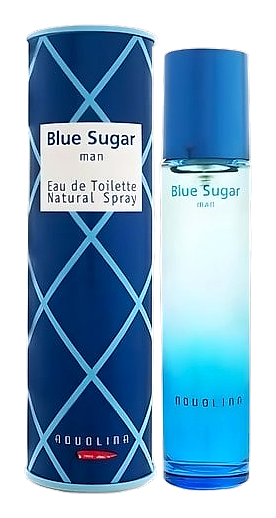
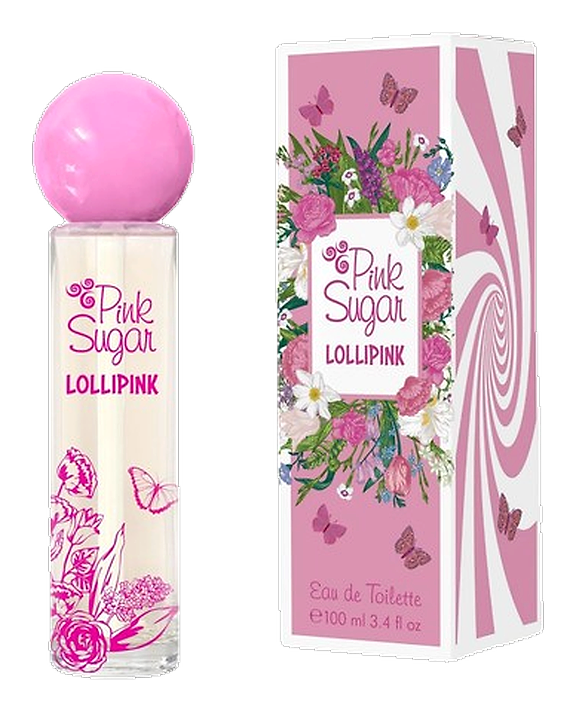
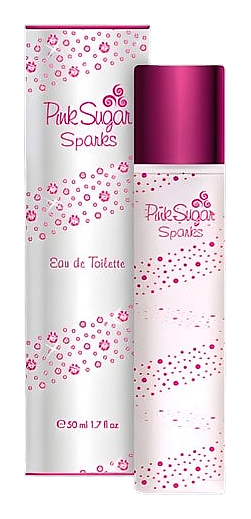
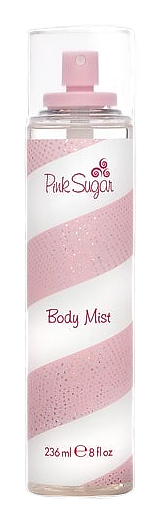
    Aquolina traces its roots to the historic Italian cosmetics company Paglieri, founded in 1876 by Luigi Paglieri and his son Lodovico in Alessandria, Italy. Starting as a traditional Italian perfume and cosmetics manufacturer, the family business expanded steadily through the 20th century, with Luigi Paglieri's son constructing Palazzo Paglieri in the early 1900s, notable as the city's first reinforced concrete building and first to feature an elevator. In 2001, Paglieri established Selectiva Spa to consolidate its lifestyle and fragrance brands, including Aquolina. The brand launched its first perfume in 2003, introducing Pink Sugar to international markets. The fragrance proved commercially significant enough to spawn numerous flankers and extensions over the following two decades, including formulations for hair, body mist, and concentrated extracts. The success of Pink Sugar prompted the brand to expand into men's fragrances with Blue Sugar in 2006, while continuing to develop new gourmand concepts under the Aquolina umbrella.

    Aquolina occupies a distinctive position in the fragrance landscape by deliberately embracing accessibility and sensory pleasure. The brand constructs its perfumes around universally recognizable edible associations, translating comfort food and childhood confectionery into olfactory form. Rather than pursuing niche exclusivity, Aquolina designs fragrances intended for daily wear and broad appeal, treating scent as an extension of personal expression and mood enhancement. The house positions fragrance as a form of playful self-discovery, encouraging consumers to associate their identity with specific scents. This approach reflects a democratization of perfume culture, making gourmand fragrances a mainstream category rather than a specialized taste.

    1876
    Luigi Paglieri and his son Lodovico establish the Paglieri company in Alessandria, Italy, focusing on perfumes and cosmetics
    2001
    Paglieri founds Selectiva Spa, consolidating lifestyle and fragrance brands including Aquolina
    2003
    Aquolina launches its debut fragrance, Pink Sugar, marking the brand's entry into the international fragrance market
    2006
    Aquolina introduces Blue Sugar, expanding into men's fragrances; simultaneous launch of Chocolovers for the women's range
    2020
    Brand releases Pink Sugar Hair Mist, extending the signature scent into new product formats

    Did you know?

    Interesting facts

    01

    Aquolina's parent company Paglieri traces its founding to 1876, making it one of Italy's oldest continuously operating cosmetics manufacturers, predating many current luxury fragrance houses by decades

    02

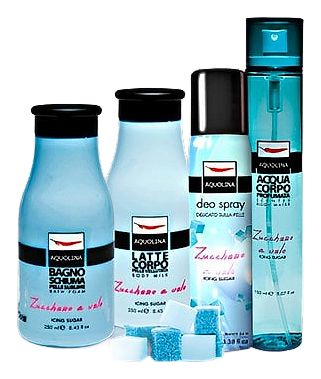
    The brand originally gained recognition through yogurt-based body care products before achieving fragrance success, explaining its lingering focus on creamy, edible accords

    03

    Pink Sugar became a cultural touchstone for a generation of young fragrance consumers, frequently cited as a gateway scent into perfume collecting

    04

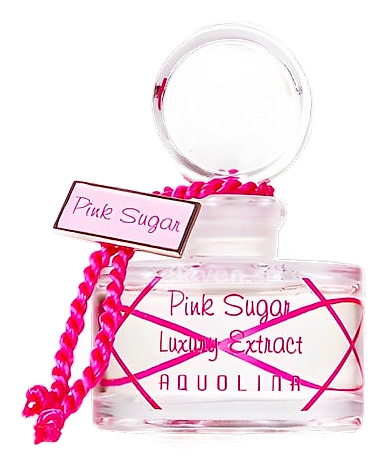
    The house maintains a youth-oriented positioning without sacrificing fragrance complexity, with flankers like Pink Sugar Luxury Extract targeting consumers who want elevated concentrations of the original concept