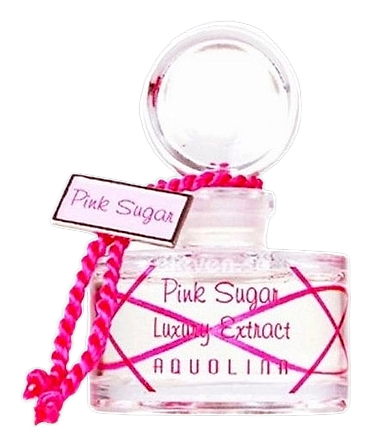
The Story
Why it exists.
The beginning
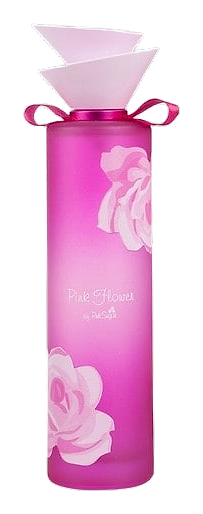
Pink Flower arrived in 2015 as Aquolina's answer to the question no one was asking: what happens when the brand known for sugar rushes decides to get structural? The name suggests something girlish, something simple. The composition suggests otherwise. Raspberry and mandarin open bright and fruity, black pepper adds a little heat, and the heart brings rose into conversation with jasmine sambac, white florals that don't apologize for existing. This is the floral side of sweetness, as the brand put it, but there's a chypre architecture underneath that keeps the sweetness from collapsing into noise. Patchouli does the heavy lifting. Vanilla sweetens the landing. The result is a fragrance that wears its accessibility proudly but has enough depth to reward attention.
The genius is in the contrast. Raspberry and mandarin give Pink Flower its immediate appeal, bright, jammy, the kind of opening that announces itself in a room without trying. But the black pepper isn't decorative. It adds a freshness that prevents the sweetness from sitting too heavy on the nose. Then the white florals arrive, jasmine sambac in particular brings a creamy, slightly indolic warmth that amplifies the rose without competing with it. The patchouli base is the quiet decision that makes everything else work. It gives the fragrance its chypre credentials, grounds the sweetness, and ensures the drydown doesn't just evaporate into sugar.
The evolution
The opening arrives fast, raspberry and mandarin pop bright and juicy, with black pepper arriving just behind to keep things from getting too sweet. Within the first hour, the fruity brightness starts to recede and the floral heart takes over. Rose asserts itself alongside jasmine sambac, and there's a creaminess to the transition that feels intentional. The white florals linger here longer than expected, this is the heart's moment, and it earns the stage time. The drydown is where Pink Flower reveals its architecture. Patchouli surfaces first, bringing an earthy warmth that reshapes the composition entirely. Vanilla follows, soft and sweet, but it's patchouli that defines the finale. The drydown holds close to the skin, present but not loud, intimate rather than projecting. Performance sits in the moderate range, with the full arc lasting through an afternoon without dramatic drops.
Cultural impact
Pink Flower arrived in 2015 as part of Aquolina's push into the sophisticated sweet-floral market, a time when gourmand fragrances dominated but fruity-chypre hybrids were gaining traction in Europe. The scent tapped into a growing desire for playful yet wearable femininity in perfumery, blending the accessibility of Aquolina's mass-market appeal with enough complexity to intrigue enthusiasts. Its raspberry-forward approach influenced subsequent releases from mid-tier brands seeking to capture the same balance between approachability and distinctiveness. The 2015 launch coincided with social media's perfume community beginning to flourish, making Pink Flower an early example of a fragrance discussed extensively in online fragrance forums.