The Story
Why it exists.
The beginning
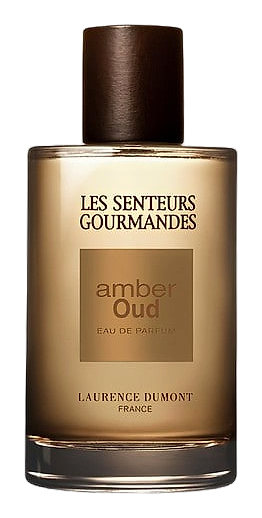
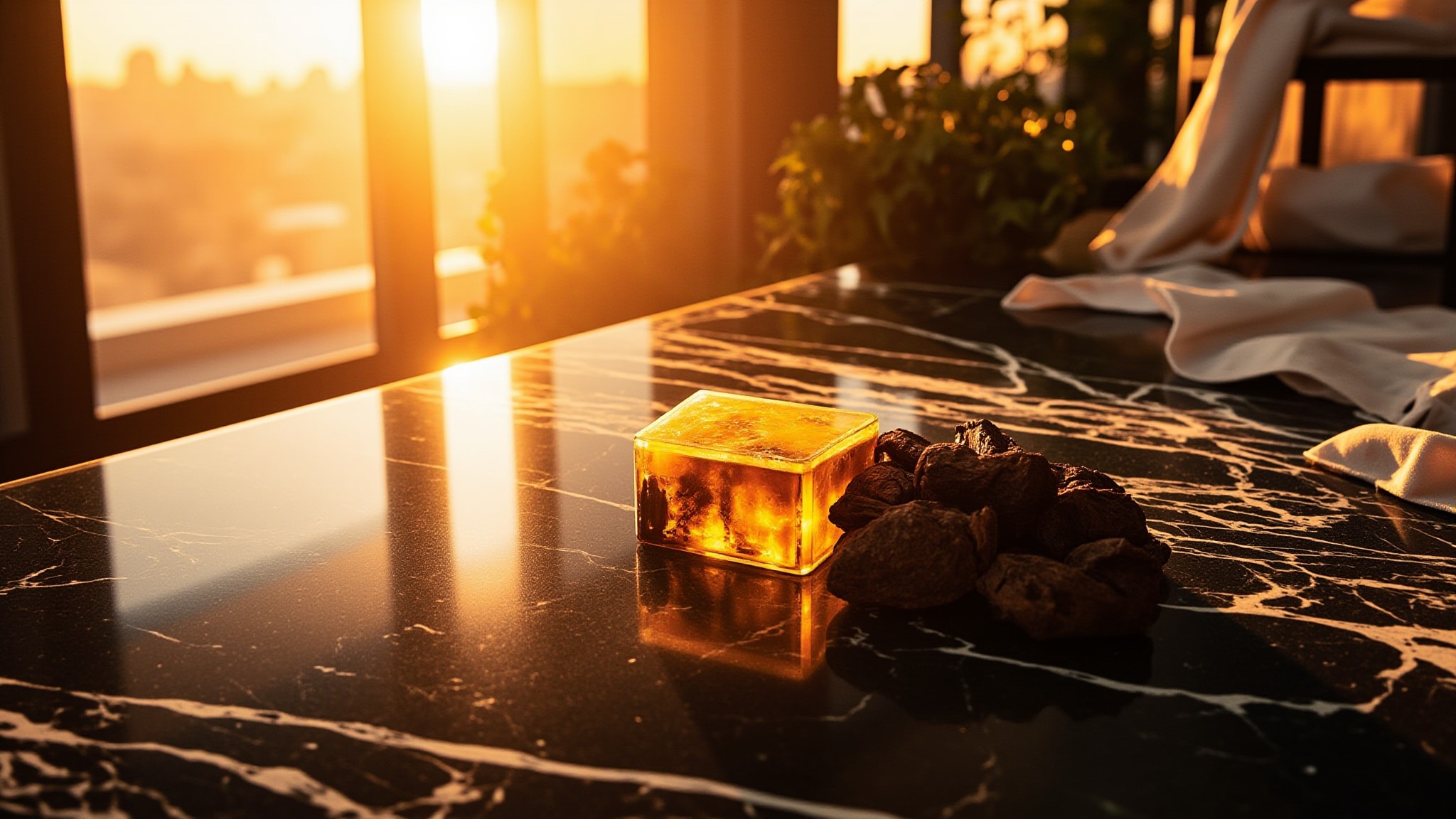
Ambre Oud arrived in 2013 as Les Senteurs Gourmandes pushed into darker territory, taking the house's signature sweetness and grounding it with something older, smokier. The name says it all: amber and oud, warm resin against dark wood. Where earlier releases leaned into edible indulgence, this one trades comfort for gravity. The perfumer wasn't interested in another vanilla-and-spice composition. They wanted to see what happened when the gourmand impulse met something that couldn't be tamed so easily.
The structure here is unusual for the house. Rather than leading with sweetness and letting warmth arrive as a byproduct, Ambre Oud opens with spice and bright florals, ylang-ylang and bergamot, before the amber reveals itself. That inversion matters. By the time the oud arrives, your nose has already been warmed up, prepared for depth. The patchouli doesn't sweeten the deal; it sharpens it, adding an earthy counter that keeps the composition from becoming syrupy. For a house built on edible warmth, this kind of restraint is what separates Ambre Oud from the pack.
The evolution
The first hour belongs to bergamot and ylang-ylang, bright, almost sparkling, with a curious sweetness from the plum that feels out of place until it doesn't. Then the tuberose arrives, heavy and white, followed by rose that reads more as texture than scent. The handoff to the base takes its time. When oud finally shows, it doesn't arrive all at once. It's a slow unfurling. Amber builds warmth, patchouli adds an earthy counter, and the whole thing settles into something powdery and close to the skin, intimate, not projecting. Six to eight hours of that dry, slightly animalic finish. The next morning, there's a faint trace on fabric, warm, resinous, the ghost of something that was never loud.
Cultural impact
Oud-amber fragrances like Ambre Oud sit at the heart of what made oriental perfumes so enduring across Middle Eastern and South Asian markets. These bold, resinous compositions became status markers for their richness and projection, worn at special occasions and evening events where presence matters. The combination of precious oud wood with warm amber speaks to a beauty standard that values depth, complexity, and unmistakable sillage. Western markets discovered this aesthetic through niche perfume houses in the 2000s, and the appetite for these intensity-forward scents has only grown since. Today, oud-amber scents cross cultural lines, appealing to anyone drawn to perfume that announces itself rather than whispers.