
The Story
Why it exists.
The beginning
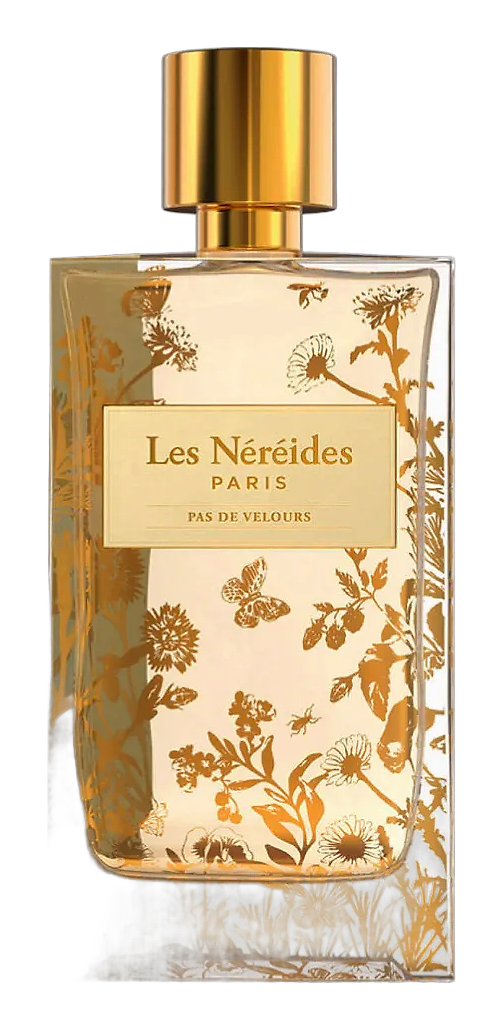
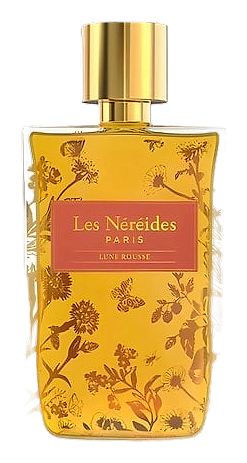
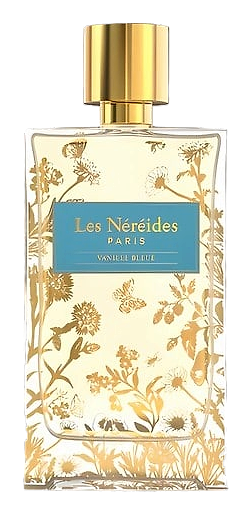
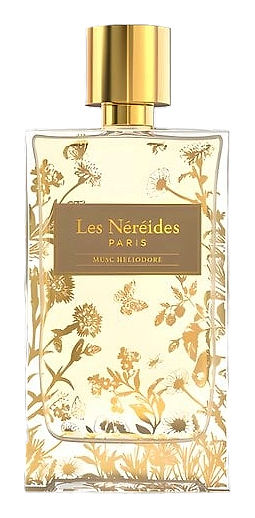
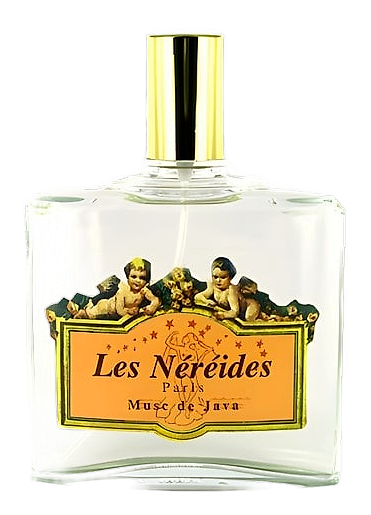
Musc de Java arrived from a house that started as a costume-jewelry atelier in Nice, where Pascale and Enzo Amaddeo opened their boutique in 1980. By the mid-1990s the couple were translating that visual language into scent, treating each bottle as a miniature tableau. Java here likely nods to the island's lush, green-misted plantations rather than Indonesian geography directly, though the name carries weight in perfumery as shorthand for a particular kind of tropical musk imagination. The composition itself is a meditation on that fantasy taken at half volume: berries and herbs instead of jungle heat.
What makes this composition unusual is its restraint. A fruity-musky structure usually defaults to sweetness, heavy amber bases, and creamy vanillas that blur everything together. Musc de Java holds the opposite shape: a green spine running through every phase, from sage in the opening to hay and clover at the heart, down to a musk that wears more like clean linen than anything animalic. The blackcurrant adds a tart, almost wine-like brightness that grounds the greenness in something slightly edible, pulling the whole thing toward picnic blanket rather than potted fern.
The evolution
The first ten minutes are the greenest the fragrance ever gets. Sage lands quick, sharp and a little camphoraceous, with blackcurrant snapping underneath it like a tart thread. Within thirty minutes the heart takes over: hay arrives warm and slightly sweet, not barnyard at all, more the smell of a field that's been drying in the sun. Clover softens the edges without adding much floral weight. Through hours two and three everything blurs into a single impression: clean, musky, faintly herbal, barely-there sweet. The drydown on skin after four hours is the best part, a soft white musk that smells like warm fabric and the faint memory of everything that came before. On clothing the hay note lingers noticeably longer than the fruit.
Cultural impact
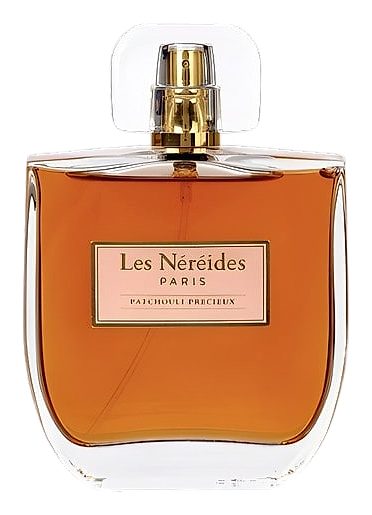
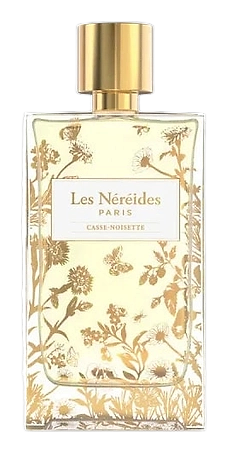
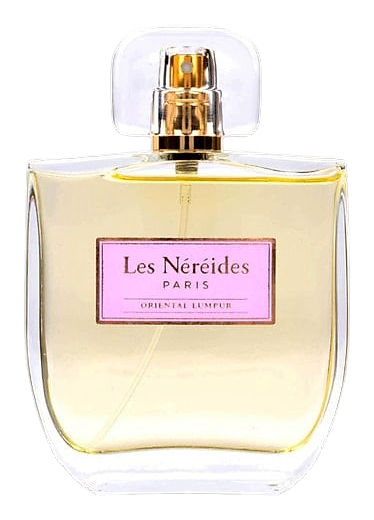
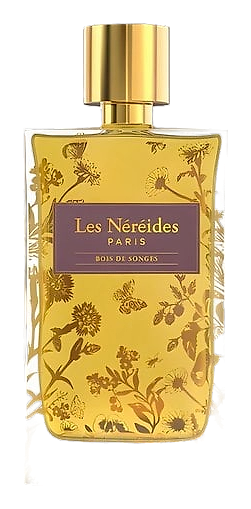
Musc de Java occupies a curious corner of French niche perfumery, reflecting the late-1990s and early-2000s shift toward quieter, more introspective green-musky compositions. Released through Les Néréides, a house founded in 1980 and better known for its vintage jewelry than its fragrances, Musc de Java extended the maison's artistic vocabulary into scent, where the same craftsmanship applied to enameled butterflies translated into minimal, nature-driven compositions.