The Story
Why it exists.
The beginning
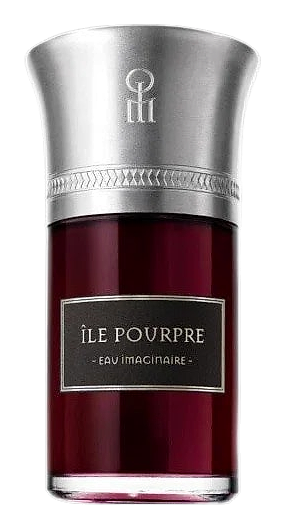
The brief was simple in its impossibility: create a fruit that reflects the spirit of Les Liquides Imaginaires. Not the sweet, girly fruits crowding mainstream perfumery. Something with mystery. Something with myth. Philippe Di Méo wanted a fragrance that embodied an unknown island and its forbidden fruit, a place that exists only in the imagination, a fruit no one has ever tasted. The house had built its identity on this kind of audacity, on fragrance as a portal to invisible worlds. Now it needed a fruit worthy of that mission.
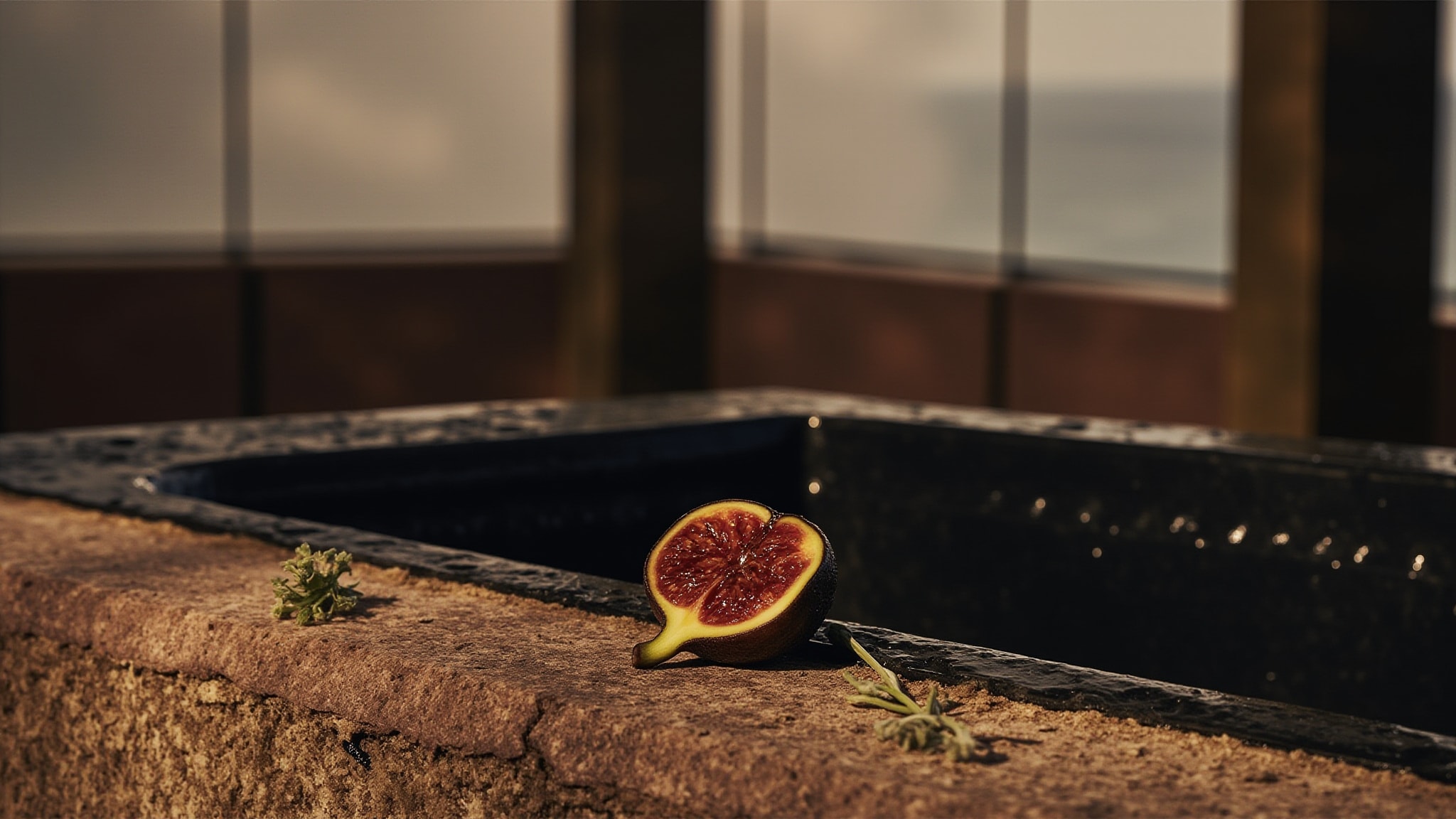
Nadège Le Garlantezec answered with a black fig, unmistakably fig in its deep, slightly fermented character, but stripped of the lactonic sweetness that makes most fig fragrances feel like air fresheners. Instead, she grounded it in a fresh, aromatic top that reads almost medicinal: shiso leaf and ginger cutting bright and green, angelica seed adding a quiet hay-like bitterness. The heart layers fenugreek, whose maple-syrup warmth could easily tip into gourmand territory, but artemisia keeps it honest, delicate anise, a whisper of fennel that elevates rather than sweetens. The result is a fig that tastes like it grew somewhere remote, somewhere mythic.
The evolution
The opening arrives sharp and green, shiso punching through with that distinctive herb-garden intensity, bergamot lifting the citrus without sweetening it. Ginger arrives next, clean heat that borders on medicinal. The whole top reads like a tincture, like something botanical and slightly bitter. For the first thirty minutes, this is an aromatic fragrance, not a fruity one. Then the fig emerges. Not the soft, lactonic fig of mainstream perfumery. Black fig. Slightly fermented. Almost wine-like, with a subtle bitter-fruity character that shifts the fragrance's personality entirely. The transition isn't abrupt, it's a slow reveal, artemisia and fenugreek smoothing the handoff. The fig lingers in the heart for a couple of hours, dressed in herbs rather than sweetness. Then the drydown arrives: Ambroxan replacing traditional ambergris with a clean, marine quality, cedar and patchouli providing dry woody structure, cashmeran and whipped cream softening the edges just enough to keep it wearable.
Cultural impact
Île Pourpre has found its audience among fragrance people tired of sweet, safe fruit notes. The black fig interpretation, dark, herbal, slightly fermented, sets it apart from mainstream fig fragrances and appeals to those seeking something with real character. Its moderate sillage and unusual herb-fruit combination make it a conversation starter for those who get close enough to smell it.