The Story
Why it exists.
The beginning
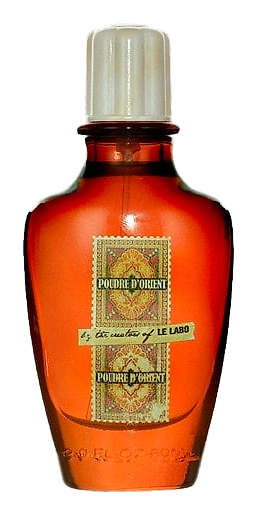
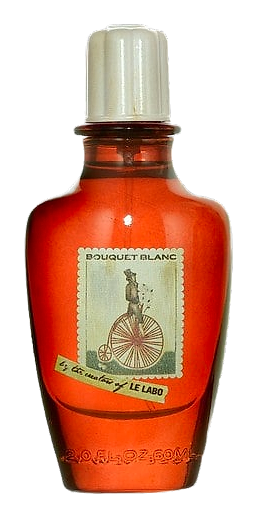
Bouquet Blanc arrived in 2010 as part of a rare retail partnership: Le Labo and Anthropologie launching a collection of five fragrances, each inspired by a different historical era of perfumery. The brief was to translate classical perfumery concepts into something modern without diluting them. Bouquet Blanc, the white bouquet, took that mandate literally. A white floral composition built without apology, stacking jasmine, orange blossom, and tuberose into something that reads as the real thing rather than a polite approximation. The vintage pharmacy-style bottle (amber glass, 60 ml) reinforced the handmade, anti-spectacle positioning that already defined Le Labo's aesthetic. This was perfume as craft object, not lifestyle accessory. For Le Labo, the collaboration represented a way to reach a different audience without compromising the brand's identity.
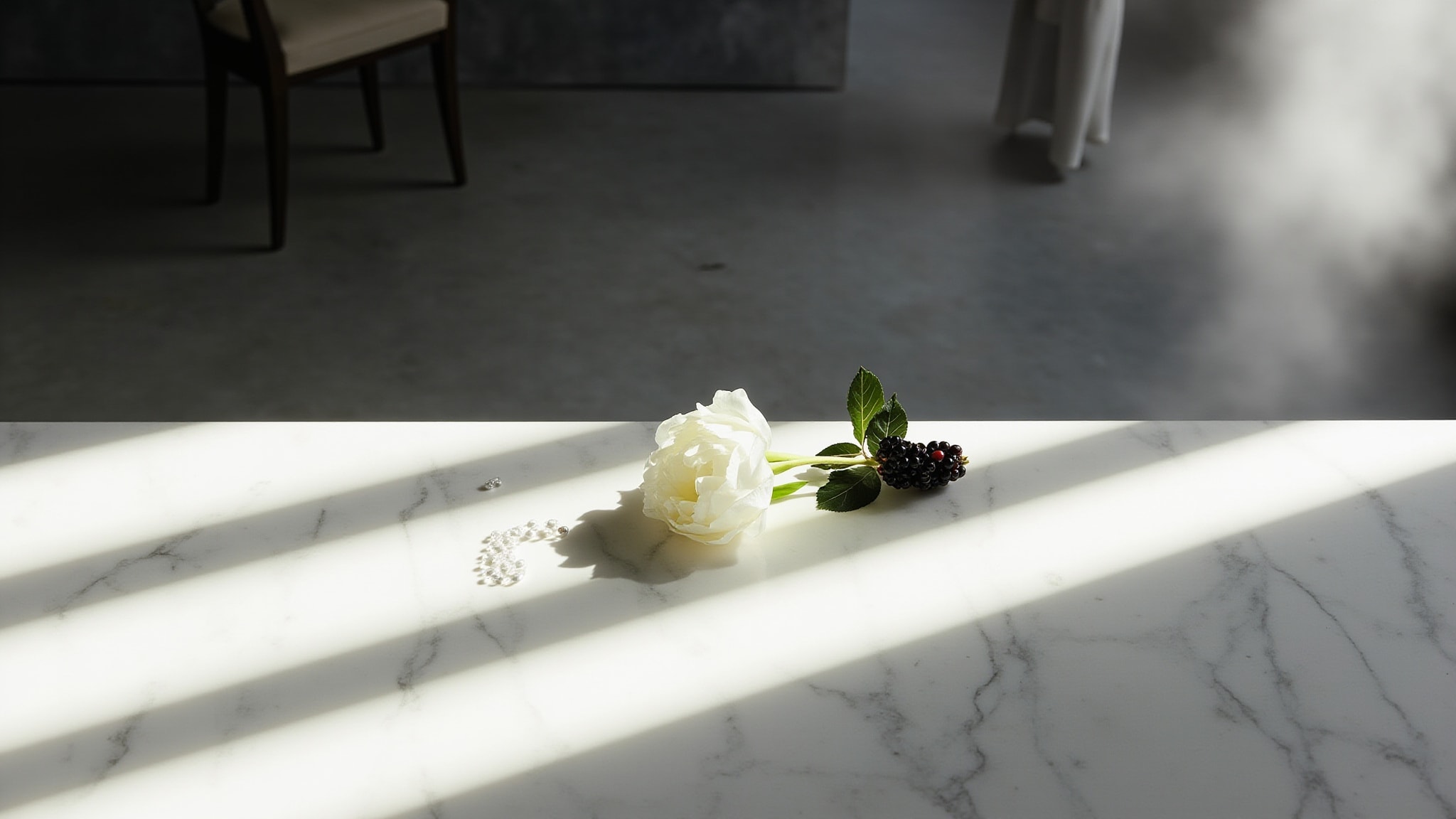
The white floral genre has a reputation problem: too often, it's smoothed into something safe, pleasant, and forgettable. Bouquet Blanc sidesteps that entirely. What makes this composition work is the tension between the floral heart and the green, slightly tart opening. Bergamot and blackcurrant bud don't just add freshness, they create a cool, almost mineral quality that keeps jasmine and orange blossom from reading as sweet. Tuberose amplifies the white floral effect without adding sweetness of its own. The result is a bouquet that smells intense but not warm, lush but not heavy. There's a sharpness in the florals themselves, almost green, that prevents the composition from going creamy.
The evolution
Bergamot and blackcurrant bud hit the skin first, bright, tart, with a green quality that reads almost as mineral. Not sweet. Not soft. The opening announces white florals are coming, and they won't be gentle about it. Twenty minutes in, jasmine and orange blossom take full command. Tuberose swells the effect, ylang-ylang adding a tropical richness that blends into the creaminess. The heart is the fragrance's longest phase, staying dense and floral for a solid two hours. This is when Bouquet Blanc earns its name, the white bouquet is in full bloom, and there's no ambiguity about what you're wearing. The drydown arrives slowly. Sandalwood and vetiver push through the florals, cooling the composition, adding wood and a faint smokiness. Musk keeps the warmth alive without sweetness. By hour four, you're in clean, slightly woody territory, the white florals have faded, but the memory of them lingers close to the skin for another two to four hours depending on your skin.
Cultural impact
Bouquet Blanc represents a specific moment in Le Labo's evolution: 2010, two years before Santal 33 transformed the brand's cultural profile. The Anthropologie collaboration was a rare retail partnership for a house built on anti-brand positioning. It found its audience quietly, among people who knew to look for it. Those who found Bouquet Blanc tend to hold onto it fiercely. The discontinued status has only deepened that attachment. Within Le Labo's catalog, it stands as the white floral for people who find most florals too polite, a quiet counterpoint to the louder, more polarizing scents that would define the house's cultural moment a few years later.