
The Story
Why it exists.
The beginning
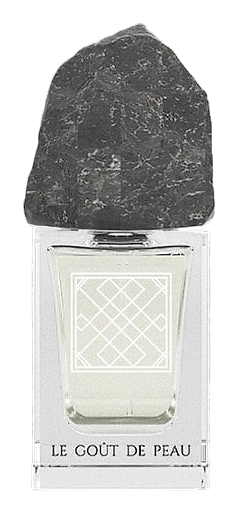
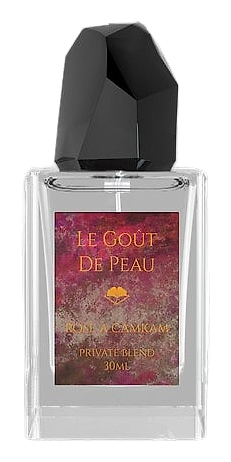
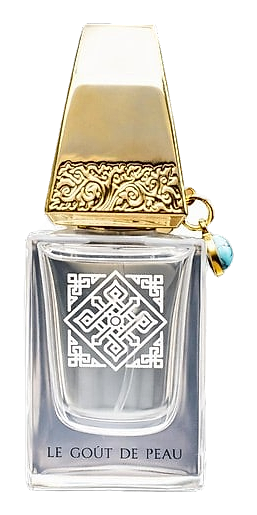
Zashi Lhamo 扎基拉姆 arrives in 2026 as part of Le Goût De Peau's La Legende Orienta collection, a line of place-led fragrances drawn from the house's eastern cultural perspective. Its inspiration centers on the Tibetan Buddhist deity of wealth, translating a figure associated with abundance into an atmosphere rather than a literal portrait. Chhaang, the Tibetan barley wine, supplies the sense of ritual warmth and fermented richness. Honey softens that opening with sweetness, while Me bsangs, a traditional incense associated with Buddhist spaces, carries the idea inward. Spikenard and incense deepen its sacred register. Western redcedar then gives the composition weight, placing smoke, spice, resin, and earth in close balance.
The unusual point lies in the pairing: Chhaang and honey bring a rounded, drinkable warmth, while Me bsangs and incense pull the same composition toward a ceremonial register. Nothing here reads as a simple food-to-smoke novelty. The fermented grain gives the opening weight, honey catches its sharper edges, and the herbal heart keeps the sweetness tied to something earthy. Spikenard adds a dry, medicinal nuance, making the final cedar and incense feel less decorative and more grounded.
The evolution
Zashi Lhamo begins with a dark, honeyed glow. Chhaang gives the first impression fermented richness, almost like warm grain and burnt sugar, while honey lays a smooth sweetness across it. That sweetness soon meets a drier herbal pulse from Me bsangs, with Spikenard sharpening the center into something earthy and contemplative. The transition into incense changes the temperature. Smoke gathers without becoming harsh, while Western redcedar supplies a steady woody grain beneath it. Over roughly 4-6 hours, the bright fermented impression recedes first; honey softens into the background, and incense becomes the dominant trace. On fabric or skin, the lasting impression is warm resin, dry cedar, and a faint sweetness that clings close rather than filling the room.
Cultural impact
Zashi Lhamo extends Le Goût De Peau's eastern spiritual intimacy into a distinctly Buddhist register. Its use of Tibetan barley wine and Me bsangs incense offers a contemporary way to encounter ritual materials as personal scent, suited to wearers drawn to contemplative, place-driven compositions rather than conventional gendered fragrance categories.