Chhaang
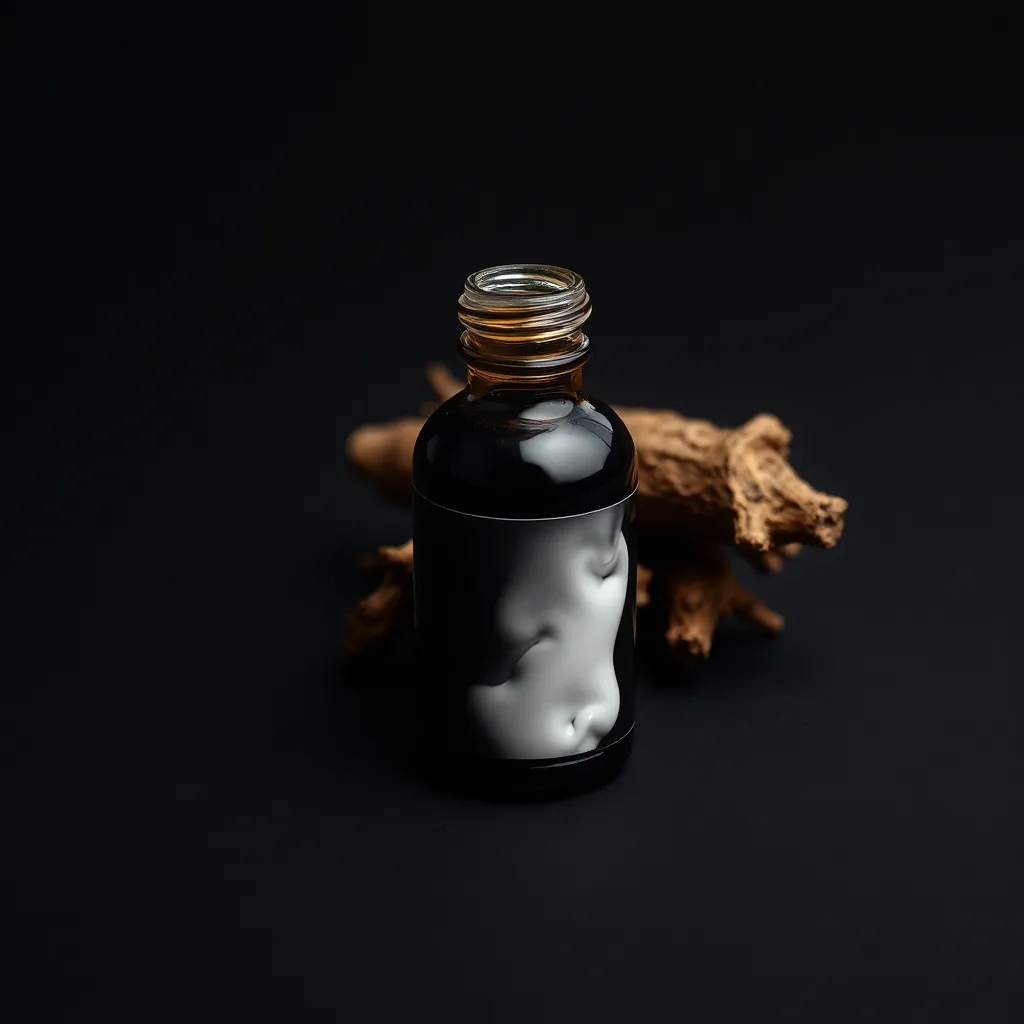
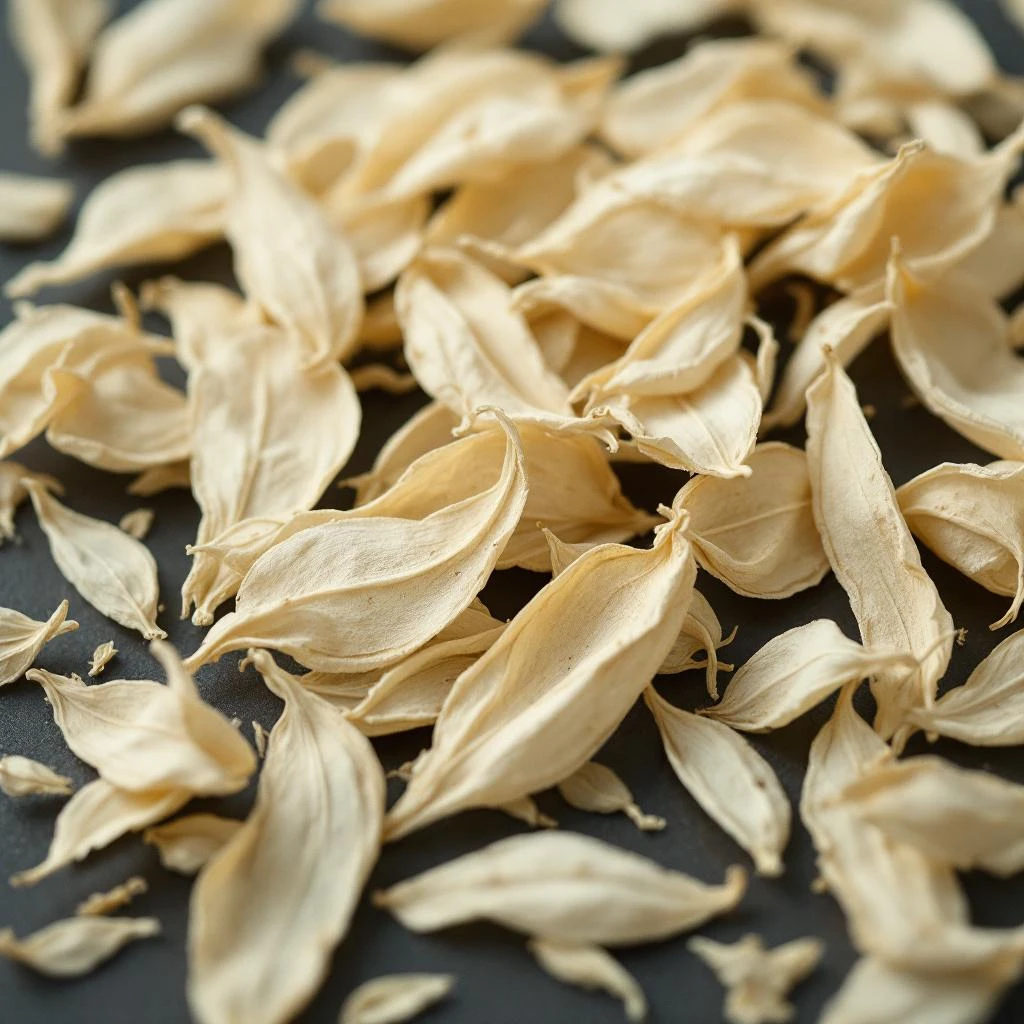
Chhaang (chandan) is sandalwood, a creamy, long-lasting note shaped by Mysore in southern India. Its soft woods and milky nuance suit both quiet, natural compositions and polished extrait strengths.

Character
How it smells
Indian sandalwood: creamy woods, soft spice, remarkable staying power.
Sandalwood oil became so prized for perfume and incense that Mysore rulers guarded their forests and controlled its trade for centuries.
Pairs beautifully with

Origin
India
Sandalwood has scented India for thousands of years, appearing in religious rituals, incense, cosmetics, and perfumed oils. It reached wider trade networks through Arabia and the ancient spice routes, while regional traditions built a sophisticated vocabulary of fragrance around its warm wood.
Indian alchemists and perfumers developed methods for distilling aromatic materials, and sandalwood oil became a prized product within courtly and temple culture. Mysore gained particular renown for its sandalwood, with state management of the trees and their trade dating back centuries.
European perfumers later valued the oil for its smoothness and tenacity, and by the late nineteenth century, industrial distillation had made it a more widely accessible ingredient. Mysore sandalwood remains the benchmark against which other varieties are often compared.
Wears it best
Fragrances featuring Chhaang
Brands
Brands known for Chhaang
Good to know
Questions, answered
The essentials on Chhaang in perfumery: how it smells, where it comes from, and how it behaves on skin.
What is chhaang in perfumery?
Chhaang is another name for sandalwood fragrance, usually referring to Indian sandalwood oil. It contributes creamy, polished woods with a soft spicy character, and one specific trait sets it apart: a strong trail that persists well after the top notes fade.
Is chhaang the same as Mysore sandalwood?
Chhaang is the broad term, while Mysore sandalwood is the most prized Indian variety. In trade, Mysore sandalwood commands a premium for its high oil content and smooth, deep woody profile, often described with milky facets.
How is natural sandalwood oil extracted?
Perfumers extract sandalwood oil by steam distillation, a process that requires between 3,500 and 5,000 kilograms of wood per kilogram of oil. The heartwood is chipped or ground before steam carries the volatile aromatic compounds away.
Which sandalwood species is used for fragrance oil?
Indian fragrance sandalwood comes mainly from Santalum album, a tree valued for its aromatic heartwood. Its essential oil contains alpha-santalol, a compound responsible for much of the characteristic woody, creamy scent.
Where does sandalwood grow?
Santalum album grows mainly in southwestern and southern India, especially Karnataka's sandalwood forests around Mysore. It also occurs in parts of Indonesia and Australia, though Indian oil remains the reference point for perfumery.
Why is natural sandalwood oil so expensive?
The price reflects slow growth, a low oil yield, and strict control of harvesting. Mature trees take roughly 15 to 20 years to develop usable heartwood, and essential oil distillation uses a large quantity of wood for each kilogram produced.
Does sandalwood appear in attar and incense?
Yes. Sandalwood has served as a base for Indian attar and a traditional note in incense for centuries. These uses helped preserve early distillation knowledge that later informed the development of modern perfume production.
Can sandalwood fragrance be made synthetically?
Yes. Synthetic santalol and related compounds recreate the main facets of sandalwood at a lower cost, and perfumers often blend them with natural oil. This produces a more controllable note in fine fragrance, soap, and candle formulations.