The Story
Why it exists.
The beginning
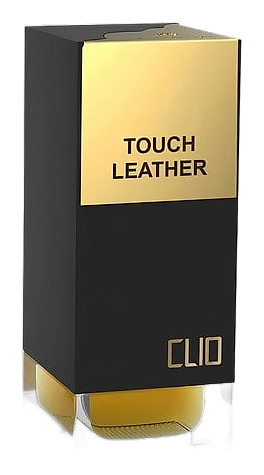
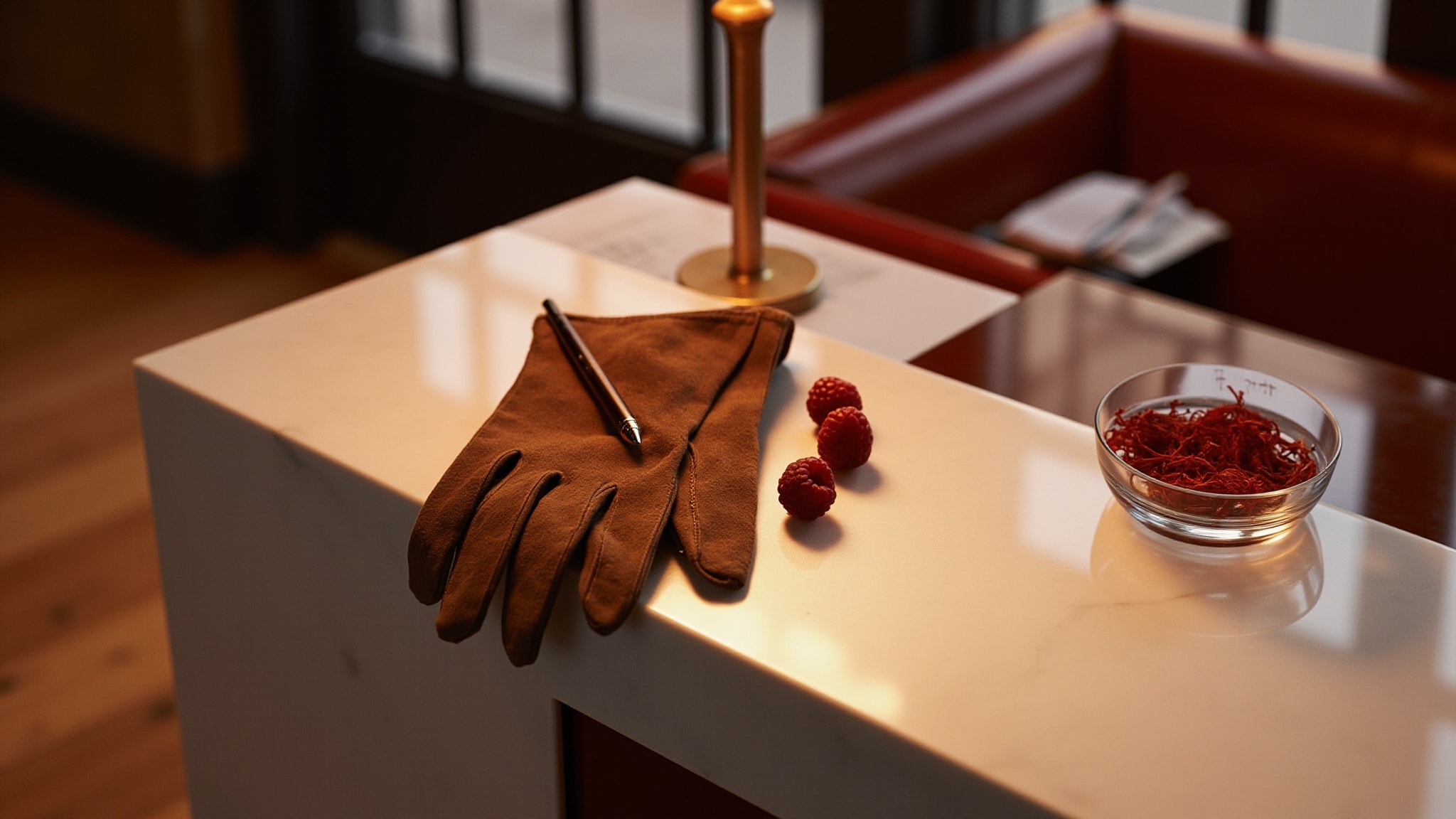
Clio Touch Leather was developed by Le Chameau around a deceptively simple idea: a leather that did not smell like a dusty saddle shop or a vintage car interior, but like leather worn in by a living person. The perfumer began with a raspberry-saffron accord, materials usually reserved for spicy orientals and gourmands, and bent them toward a dry, animalic leather base. The result was a composition built almost entirely on the tension between its own ingredients, sweet fruit set against smoke, and spice pressed up against skin. Le Chameau released it as a unisex eau de parfum, and from the first spray on skin, the drydown takes on a soft, sueded quality that anchors the whole composition.
Saffron, used here in generous proportion, behaves more like a dry spice thread than a sweet one, lending a faintly bitter, leathery warmth that weaves through the fruit from the opening minutes. Raspberry, the more volatile of the two, gives the fragrance its initial brightness, a jammy, almost candied quality that draws you in before the deeper materials take hold. The interplay between these two notes defines the opening act, and the balance shifts constantly as the hours pass.
The evolution
Clio Touch Leather launched to a small but attentive audience and quickly built a reputation as a comfort scent for people who normally avoid leather fragrances. Early reviewers focused on the raspberry, calling it almost edible, and on the saffron's dry, slightly bitter edge. The scent earned a following among those drawn to bold compositions, and it began appearing on lists of recommended leathers for people who usually find the genre too smoky or too aggressive. The original remained the reference point for everything that came after, a composition credited with showing that fruit and leather could share the same space without one overwhelming the other. Over time, it has carved out a place in conversations about modern leather work, appreciated for its balance of sweetness, spice, and a soft, sueded drydown that feels closer to skin than to saddle.
Cultural impact
Clio Touch Leather found its audience among collectors and casual wearers alike, and it became a reference point in conversations about modern, accessible leathers. Among fragrance communities online, it picked up a quiet following as a winter staple and a useful layering tool, prized for the way its soft, sueded drydown blends easily with other compositions without losing its own character. The fragrance has shown up regularly in cold-weather recommendations, often suggested for people who want leather's depth without the harshness or the vintage smoke that the genre can carry.