
The Story
Why it exists.
The beginning
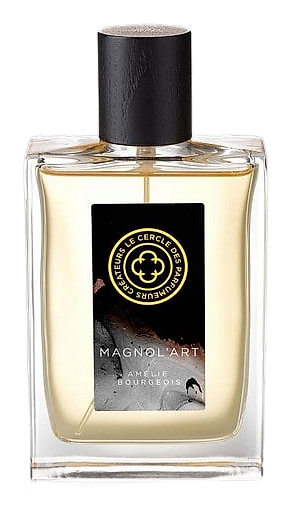
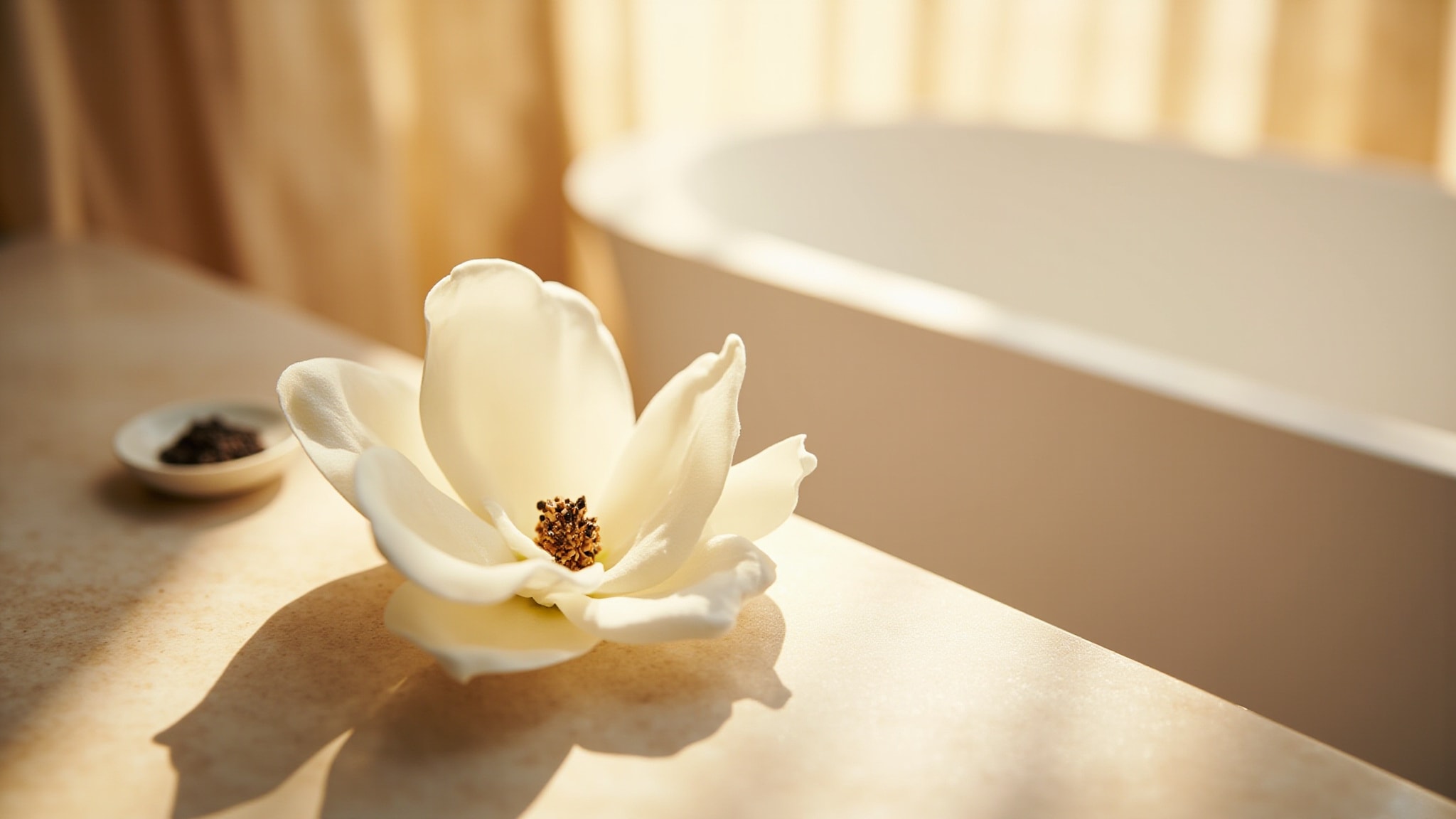
Magnol'Art takes its name seriously. Amélie Bourgeois built this 2014 composition around the magnolia as a central statement, not as background atmosphere but as the subject itself. The Cercle's philosophy meant every fragrance carries the nose's full intention, unfiltered by commercial demands. Here, that intention is clear: treat magnolia as art material, not decorative note. The yellow florals, acacia, mimosa, support the magnolia rather than crowd it, and the sesame-tonka base exists to give that floral statement somewhere warm to rest. The fragrance arrived in 2014 as one of the earliest Cercle releases, carrying the collective's argument that fragrance belongs to the perfumer who imagined it.
The pairing of white and yellow florals with sesame and tonka is what makes Magnol'Art stand apart from conventional floral compositions. Sesame brings a subtle nutty warmth that most perfumers reserve for edible fragrances, here it threads through the florals instead of anchoring them as a base note might. Tonka's coumarin richness adds a creaminess that could tip into Gourmand territory on certain skin, but the magnolia keeps it floral. The result is a fragrance that occupies an unusual middle ground: sweet enough to be inviting, warm enough to be intimate, but still recognizably floral in structure. This isn't a safe white floral. It's a floral that decided to get comfortable.
The evolution
The opening arrives bright and brief, Italian mandarin orange giving a quick citrus pulse before stepping aside. Thirty minutes in, the heart takes over. Magnolia and jasmine emerge together, the jasmine lending a slightly indolic edge that keeps the florals from reading as purely pretty. The acacia adds a honeyed quality without sweetness becoming the point. Two hours in, the sesame enters quietly. Not as a dramatic reveal, as a settling. The florals thin slightly, and the sesame fills the space they've vacated, blending with tonka to create a warm, slightly edible drydown that stays close to the skin. By hour four, what remains is a skin-close whisper of white musk and tonka, intimate, unobtrusive, still faintly sweet. On fabric, the drydown can linger into the next day, though on skin it fades to a memory by evening.
Cultural impact
Magnol'Art occupies a particular niche within a niche. The Cercle's model, small editions, named perfumers, no commercial distribution at scale, means this fragrance reaches collectors who already understand that perfume belongs to the nose behind it, not the company selling it. The 2014 launch arrived as the indie fragrance conversation was gaining momentum in certain circles, though the Cercle has never pursued mainstream visibility. What the fragrance offers is unchanged: a perfumer's uncompromised vision of magnolia as fine art, for those who prefer their florals warm, golden, and quietly unexpected.
The House
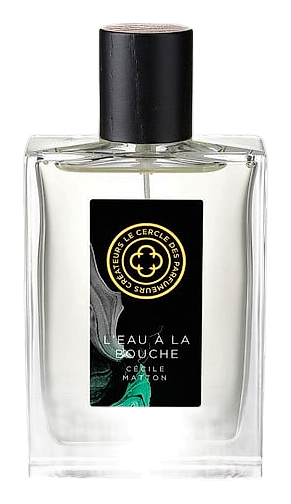
Le Cercle des Parfumeurs CreateursLe Cercle des Parfumeurs Createurs is a French collective of independent perfumers united around a shared conviction: that fragrance creation is an art form deserving the same recognition as painting or music. The group functions as both an advocacy body and a curatorial platform, presenting fragrance as intellectual property belonging to the nose rather than a brand asset. Rather than pursuing commercial distribution at scale, the Cercle operates through intimate channels: small-edition releases, exclusive stockists, and public tastings. Their output is deliberately modest, with known releases spanning only 2013 to 2015, yet each fragrance carries the signature of its creator. L'Eau A La Bouche, launched in 2013 with perfumer Cecile Matton, demonstrates the group's appetite for narrative and gourmand audacity. The collective remains active as an idea as much as a label, promoting the concept of the perfumer as auteur. In a market dominated by licensed names and celebrity accords, Le Cercle insists on keeping authorship visible, traceable, and central to the experience.
The Creator
Amélie BourgeoisBourgeois works within classical perfumery structures but pushes against the expected. She favors material combinations that surprise, finding harmony in contrasts others might avoid.