The Story
Why it exists.
The beginning
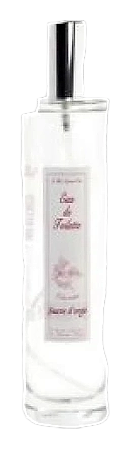
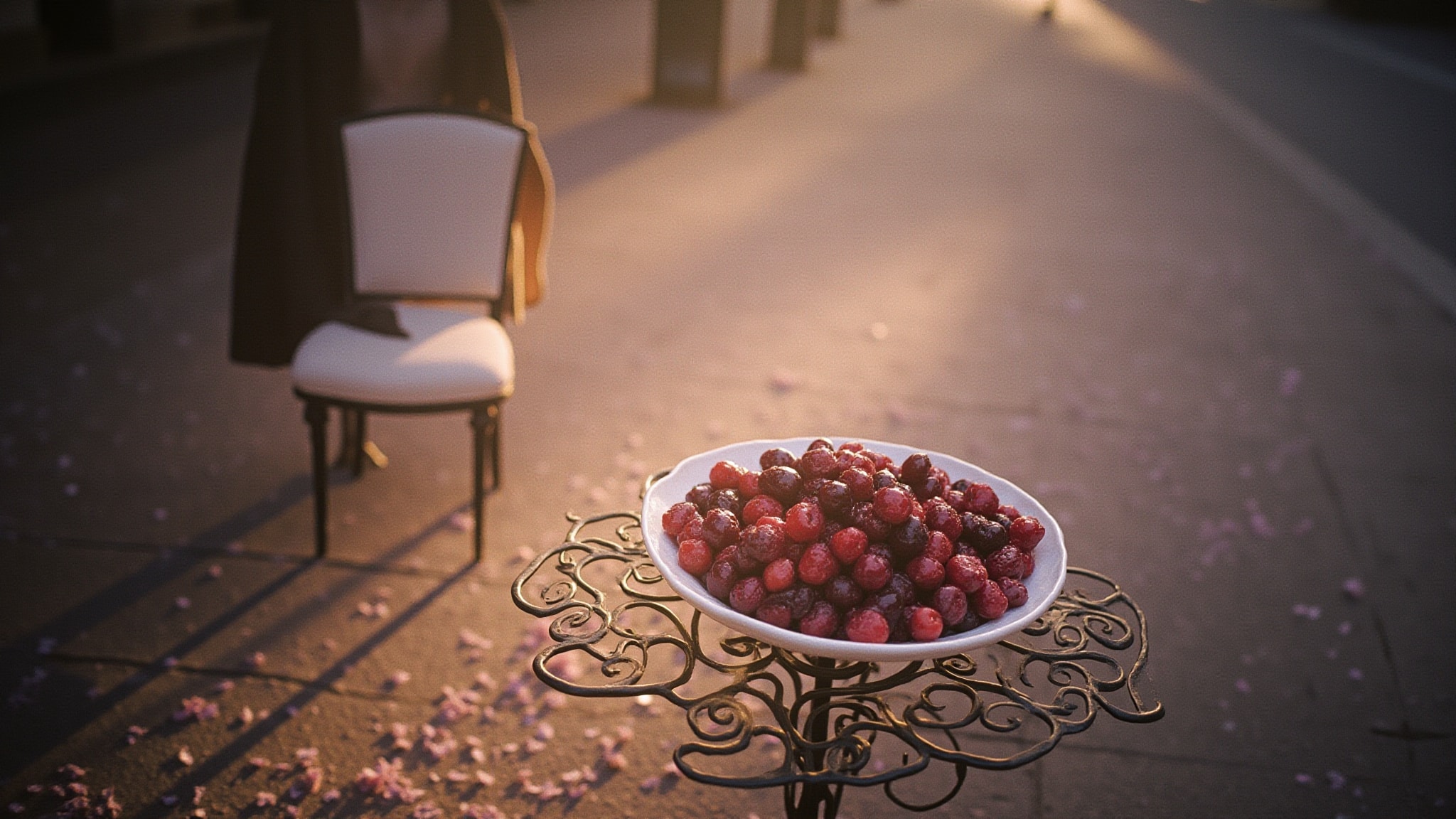
Sucre d'Orge arrived in 2003 as Le Bel Aujourd' hui's meditation on pure sweetness, translated through a modern lens. Rather than evoking sugar cane literally, the perfumer chose to capture the essence of confectionery joy through an abstract interplay of notes. Blossom water and red fruits conjure the immediate, crystalline sweetness of a candy stall on a Parisian boulevard, while star anise introduces a subtle complexity that nods to the spice merchants nearby. The house's minimalist philosophy meant each element had to justify its presence, and in Sucre d'Orge, every note does exactly that.
Le Bel Aujourd' hui's approach with Sucre d'Orge centered on translating sweetness without relying on a single dominant note. Blossom water provides a clean, watery sweetness; red fruits add depth and brightness; star anise offers a brief spicy counterpoint. The floral heart of jasmine, lily of the valley, and rose brings classic elegance, while the base of almond, heliotrope, and vanilla grounds the composition in warmth. This layering of contrasting textures, from bright to soft to warm, creates a fragrance that feels both cohesive and subtly complex.
The evolution
Applied to skin, Sucre d'Orge tells a story in stages. It opens with the immediate brightness of blossom water and red fruits, their sweetness lifted by the unexpected presence of star anise. Within minutes, the star anise recedes, leaving only the soft fruit and floral water. The heart unfolds gradually, jasmine and lily of the valley emerging first, followed by the gentle addition of rose. This floral middle chapter lasts for hours, never loud but persistently present. The drydown marks a gentle shift toward warmth, almond arriving quietly before heliotrope and vanilla settle in for a long, soft finish.
Cultural impact
Since its 2003 debut, Sucre d'Orge has cultivated a quiet following among collectors who appreciate Le Bel Aujourd'hui’s restrained gourmand approach. Wearers often cite its sweet‑fruity charm as a signature of early‑2000s French niche perfumery, and it frequently appears in discussions about minimalist gourmand scents alongside Musc Blanc and Brun d’Epices. Its subtle yet memorable profile makes it a go‑to for those seeking a refined sweetness without overwhelming the senses.