






The Heritage
The Story of Le Bel Aujourd'hui
Le Bel Aujourd'hui is a French niche perfume house that entered the market in 2003. The brand concentrates on clear, single‑note statements that reinterpret classic ingredients for a contemporary audience. Based in Paris, it releases modest collections each year, allowing each scent to breathe without the clutter of a large portfolio. Its fragrances—Musc Blanc, Sucre d'Orge, Brun d'Epices, Vent du Matin, Mano a Mano, Chant d'Orient, Patchouli, Fleur d'O, Lily Rose—have earned a steady following among collectors who value restraint and quality over flash. The label positions itself as a quiet alternative to louder trends, offering a daily ritual that feels both familiar and freshly observed.
Heritage
The story of Le Bel Aujourd'hui begins with Pierre Le Bel, a Parisian entrepreneur who grew up surrounded by his family’s small perfume workshop in the 1990s. Reportedly, he decided to launch his own line after years of observing the market’s shift toward overly complex compositions. In 2003 he introduced a debut collection of seven fragrances, each built around a single dominant note. Musc Blanc highlighted a clean white musk, Sucre d'Orge offered a sweet sugar‑cane accord, and Brun d'Epices explored warm spice without a heavy base. The launch received modest coverage in French trade magazines, which praised the brand’s disciplined approach. By 2008 the house expanded its distribution to select boutique retailers in Europe and Japan, maintaining a limited‑edition release schedule to preserve exclusivity. A second wave arrived in 2012 with Fleur d'O, a bright orange blossom, and Lily Rose, a single‑rose composition cultivated in Grasse. These additions marked the brand’s first foray into floral territory while keeping the single‑note philosophy intact. In 2015 Le Bel Aujourd'hui partnered with a niche online platform to reach a broader audience, a move that coincided with the introduction of a limited‑edition packaging series made from recycled glass. The 20th anniversary in 2023 prompted a retrospective exhibition at a Parisian perfume museum, where original bottles and archival material were displayed alongside contemporary reinterpretations. Throughout its two‑decade history the house has remained privately owned, avoiding corporate acquisition and preserving its founder’s original vision of understated elegance.
Craftsmanship
Production at Le Bel Aujourd'hui unfolds in a small atelier near the historic perfume quarter of Paris. Raw materials arrive from certified growers in Grasse, Madagascar, and the Indian subcontinent, where the brand audits each supplier for ethical labor practices and ecological impact. For Musc Blanc, the house procures natural white musk from a farm that extracts the essence using a cold‑press method, preserving the molecule’s delicate profile. Sucre d'Orge relies on raw sugar‑cane juice that undergoes a low‑temperature distillation to retain its bright sweetness. Each fragrance is blended by hand, with perfumers measuring ingredients on a gram scale to ensure consistency across batches. The house employs a double‑filtration system that removes impurities without stripping the scent of its natural character. After blending, the mixture rests in stainless‑steel vats for a minimum of four weeks, allowing the components to harmonize. Quality control includes blind testing by a panel of senior perfumers who evaluate each batch for fidelity to the original formula. Bottling occurs on a dedicated line that fills each glass vessel under a nitrogen atmosphere, preventing oxidation. The label, printed on recycled paper with soy‑based ink, adheres to the bottle using a water‑based adhesive. Finally, each finished product receives a hand‑applied seal of the brand’s monogram, a step that reinforces the artisanal nature of the process. Throughout, the house documents every step in a digital ledger, enabling traceability from field to fragrance.
Design Language
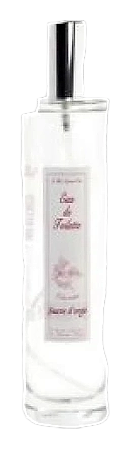
Visually, Le Bel Aujourd'hui embraces a minimalist aesthetic that mirrors its olfactory restraint. Bottles feature a uniform cylindrical shape crafted from clear glass, allowing the perfume’s natural hue to become the focal point. A thin, brushed‑aluminum cap sits atop each vessel, providing a subtle contrast to the transparent body. The brand’s logo—an elegant serif wordmark—appears in a muted charcoal embossing at the base, avoiding any overt branding on the front. Color accents are limited to a soft pastel band that corresponds to the fragrance’s primary note: a pale ivory for Musc Blanc, a gentle amber for Sucre d'Orge, and a muted rose for Lily Rose. Packaging boxes adopt a matte off‑white finish, with the same pastel stripe running along the spine, creating a cohesive shelf presence. Photographic campaigns favor natural light and simple props, often depicting the bottle beside the raw ingredient that inspired it—a sprig of rose, a slice of orange, a piece of musk pod. This visual language reinforces the brand’s commitment to clarity, letting the scent speak for itself without decorative distraction. The overall image conveys quiet confidence, appealing to consumers who appreciate design that is both functional and refined.
Philosophy
Le Bel Aujourd'hui frames perfumery as a conversation between a single ingredient and the wearer’s memory. The brand’s creative brief asks each perfumer to isolate one note and explore its full emotional range, rather than layering multiple themes. This focus stems from the belief that clarity reveals nuance; a pure musk can evoke comfort, a solitary orange blossom can suggest sunrise, and a solitary patchouli can recall distant forests. The house values transparency, so it lists the primary ingredient on every bottle and provides a short narrative about its origin. Sustainability also guides decision‑making; the brand sources raw materials from farms that practice responsible harvesting and avoids synthetics when a natural alternative exists. Collaboration occurs with a rotating roster of perfumers, each invited to interpret the brief without imposing a signature style. The result is a portfolio where each scent feels distinct yet bound by a common restraint. Le Bel Aujourd'hui also encourages slow consumption: limited batch sizes and a recommendation to let a fragrance evolve over weeks rather than days. This philosophy aligns with a broader movement among niche houses that prioritize longevity, authenticity, and a personal connection over fleeting trends.
Key Milestones
2003
Le Bel Aujourd'hui launches with a seven‑fragrance debut collection, introducing Musc Blanc, Sucre d'Orge, Brun d'Epices, Vent du Matin, Mano a Mano, Chant d'Orient, and Patchouli.
2008
Brand expands distribution to boutique retailers in Europe and Japan, maintaining limited‑edition releases.
2012
Second wave of releases adds Fleur d'O and Lily Rose, marking the house’s entry into floral territory.
2015
Partnership with a niche online platform broadens international reach; limited‑edition recycled‑glass packaging debuts.
2023
20th‑anniversary retrospective exhibition at a Paris perfume museum showcases original bottles and archival material.
2024
Brand introduces a sustainability program that includes carbon‑offset shipping and a new line of biodegradable caps.
At a Glance
Brand profile snapshot
Origin
France
Founded
2003
Heritage
23
Years active
Collection
1
Fragrances released
Avg Rating
2.0
Community sentiment
Release Rhythm


