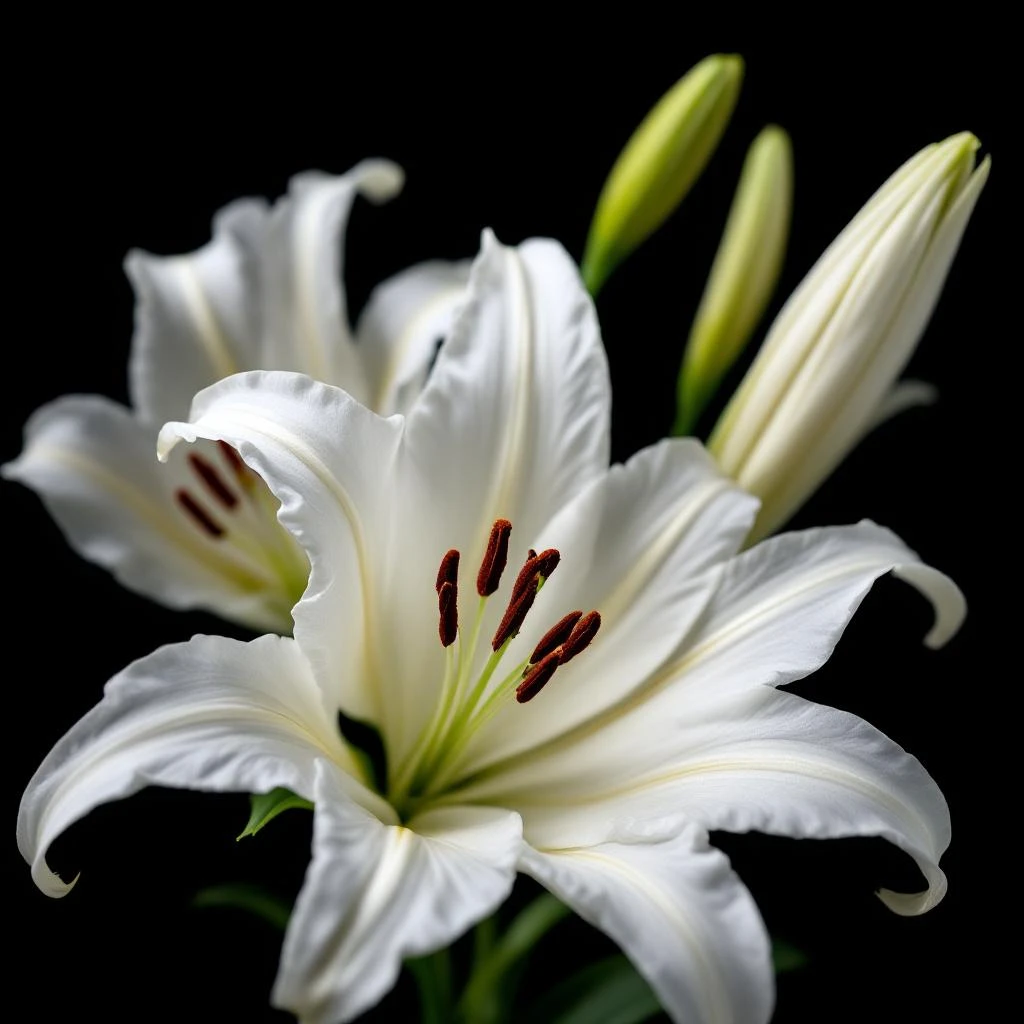
Blossom Water
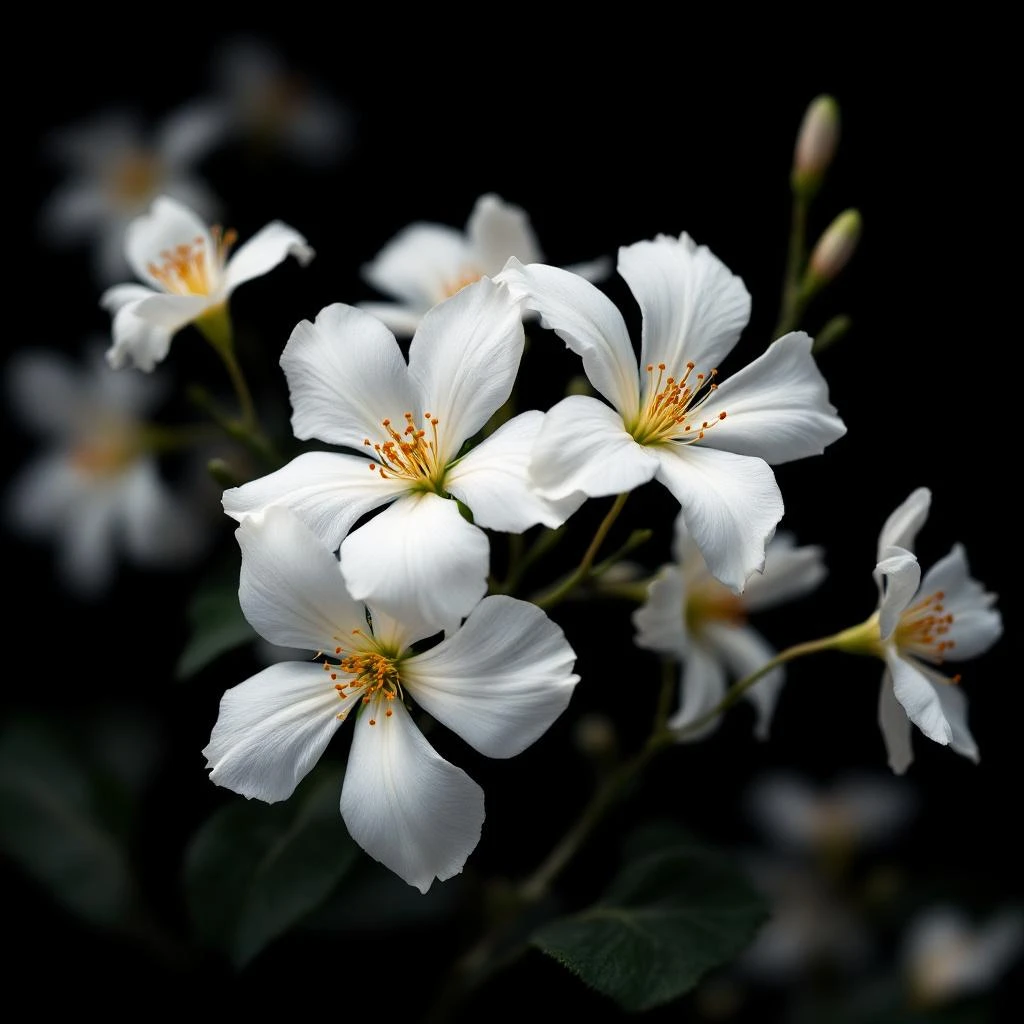
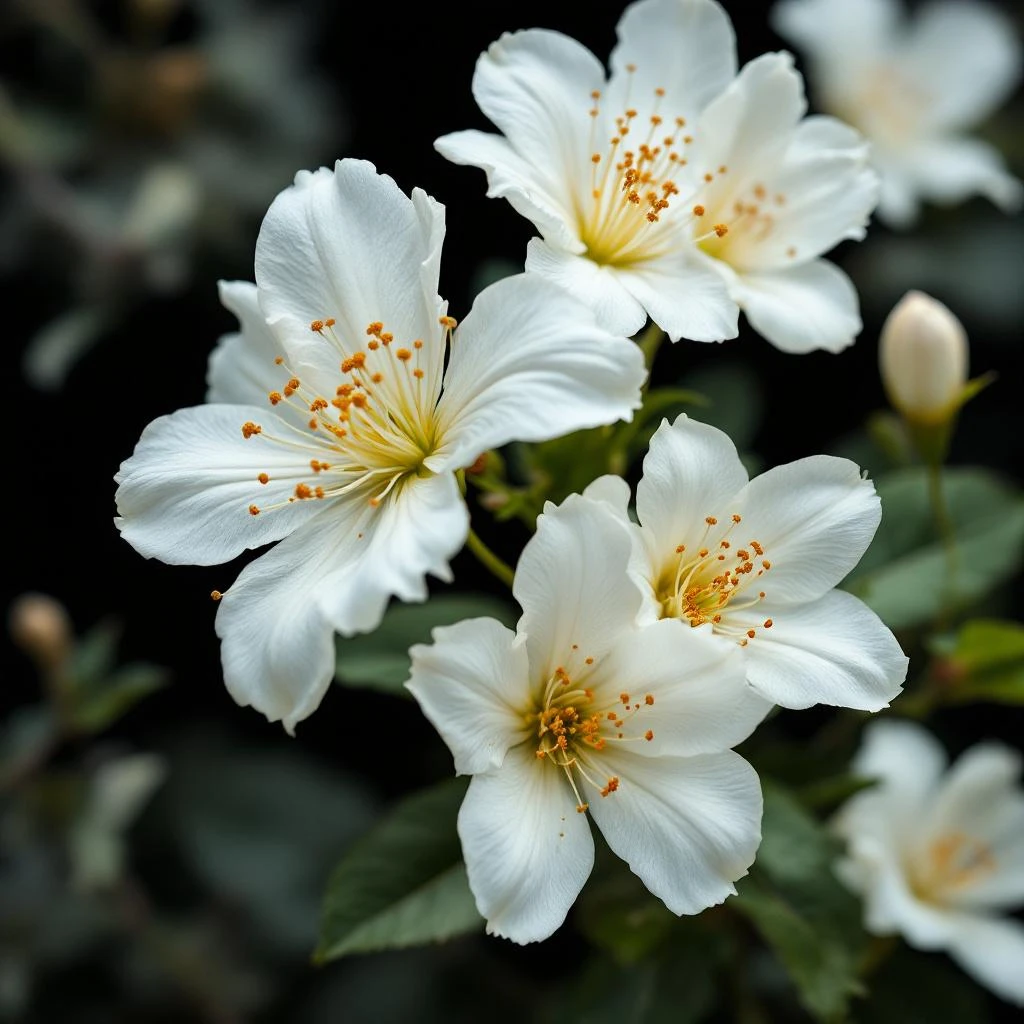
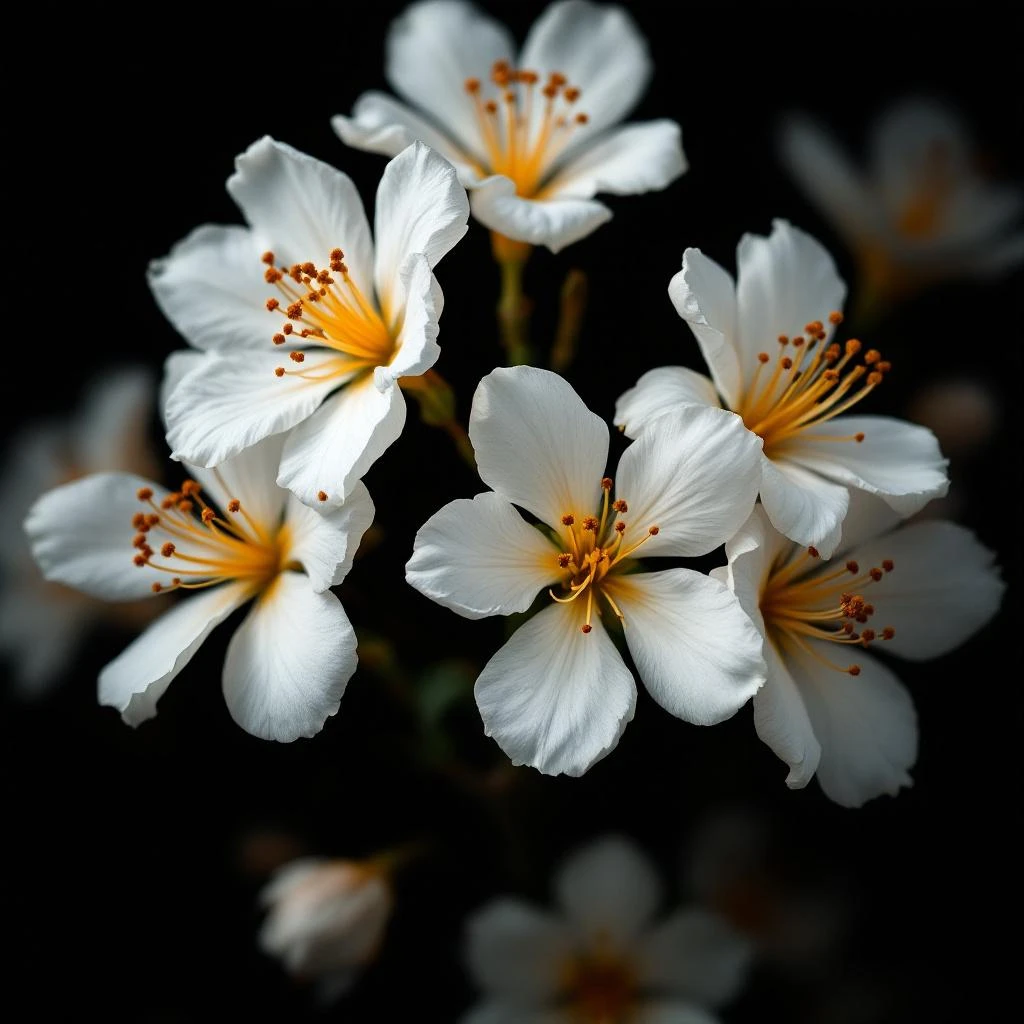
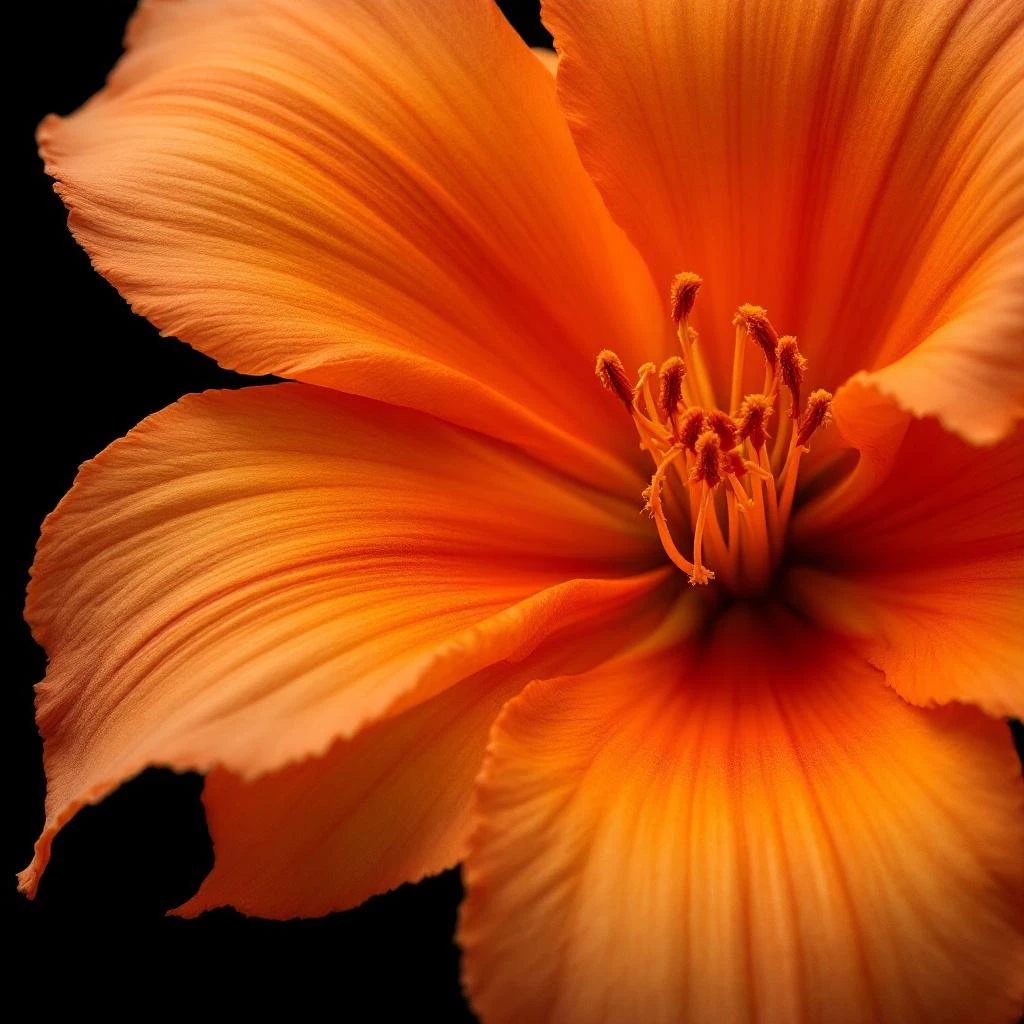
Blossom water carries the delicate scent of orange flowers into fragrance, creating a soft floral presence with a fresh, lightly citrus character.
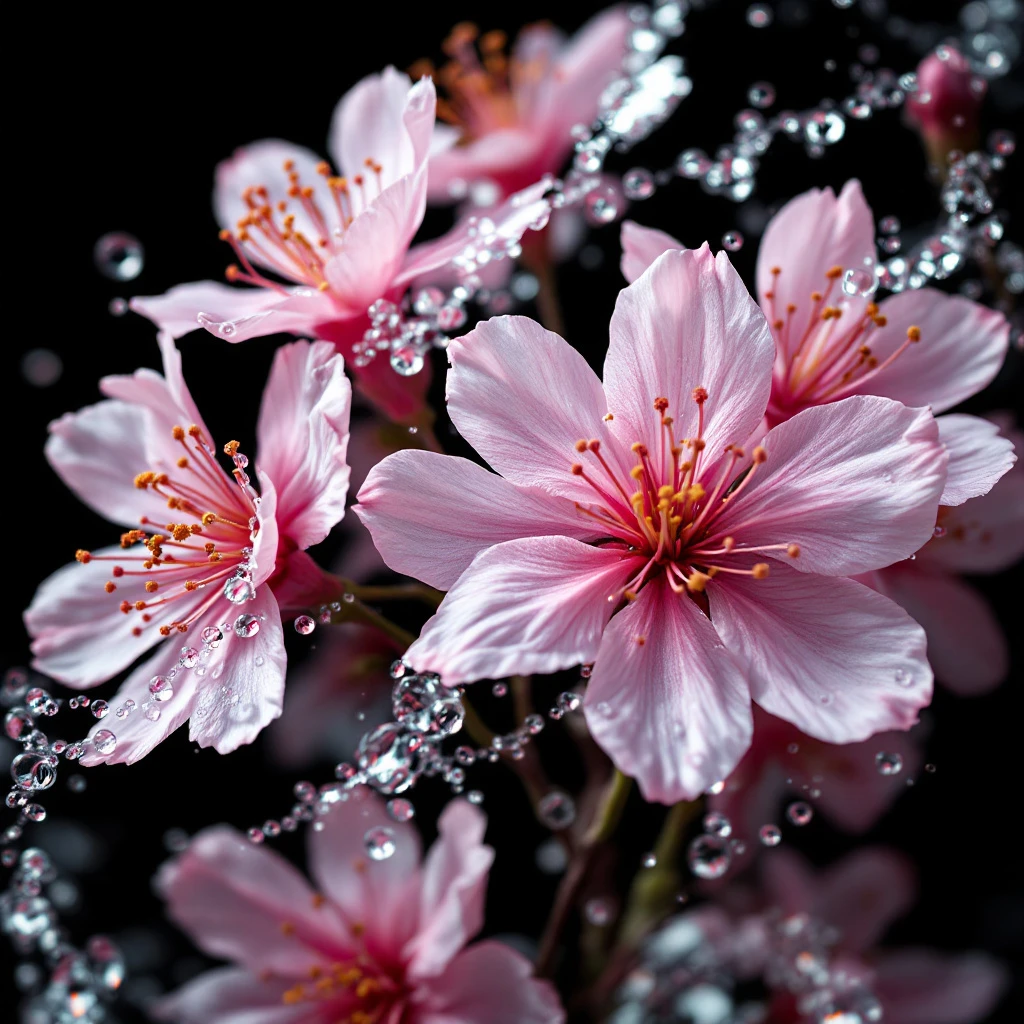
Character
How it smells
Orange blossom, distilled to fragrance.
Orange blossom became important to eau de cologne in the 19th century, when its clear floral water suited the style of light, fresh fragrances.
Pairs beautifully with
Origin
France
Orange blossom has held an important place in perfumery since the 19th century, particularly in France, where the bitter orange flower became closely associated with eau de cologne. Its fresh, clean scent worked naturally with the emerging style of light citrus fragrances.
The wider history of floral distillation reaches back to the Persian chemist Ibn Sina, commonly known as Avicenna, whose work advanced the distillation of fragrant oils from flowers. Orange blossom water belongs to this broader tradition of capturing delicate plant aromas in water.
At the turn of the 20th century, many perfumes were still built around a dominant single-flower note, and orange-flower water offered a recognizable floral expression. Although conventional extraction methods evolved, blossom water remains valued for its transparency and association with classic citrus-floral compositions.
Wears it best
Fragrances featuring Blossom Water

Brands
Brands known for Blossom Water
Good to know
Questions, answered
The essentials on Blossom Water in perfumery: how it smells, where it comes from, and how it behaves on skin.
What is blossom water in fragrance?
Blossom water is the lightly aromatic aqueous fraction obtained when orange flowers are steam distilled. It carries a delicate orange-blossom scent and is milder than orange essential oil, making it especially useful for transparent floral and eau de colge styles.
Is blossom water made from orange flowers?
Yes, in perfumery blossom water usually refers to water carrying the aroma of orange blossoms from the bitter orange tree. It is produced during steam distillation, though the exact plant source can vary by formulation.
How is orange blossom water produced?
Producers steam fresh orange blossoms, then condense the released aromatic vapor. The resulting water separates from heavier essential oil and is filtered or clarified for fragrance use.
Does blossom water smell stronger than orange oil?
No. Blossom water generally has a softer, more transparent orange-flower character, while orange essential oil is more concentrated and intense. The water often reads as fresh citrus with a light floral edge.
What is the history of orange blossom in perfume?
Orange blossom became a notable perfumery ingredient in 19th-century France, especially in the development of eau de cologne. Its fresh floral character matched the period's lighter citrus style, while earlier distillation work by Avicenna helped establish flower-based extraction.
Can blossom water replace orange blossom essential oil?
It cannot fully replace orange essential oil because its composition and strength are different. Blossom water can provide a delicate floral effect, but formulations needing stronger radiance or tenacity may also require orange oil or other aroma materials.
Is blossom water natural or synthetic?
Blossom water is naturally produced during the distillation of orange flowers, but fragrance labels may not always identify its precise source. Compositions can also combine natural blossom water with synthetic materials.
What part of the plant is used?
The fresh blossoms are used, not the leaves, fruit, or branches. Their volatile compounds pass into the distillation water, where they create the characteristic light orange-floral aroma.