The Story
Why it exists.
The beginning
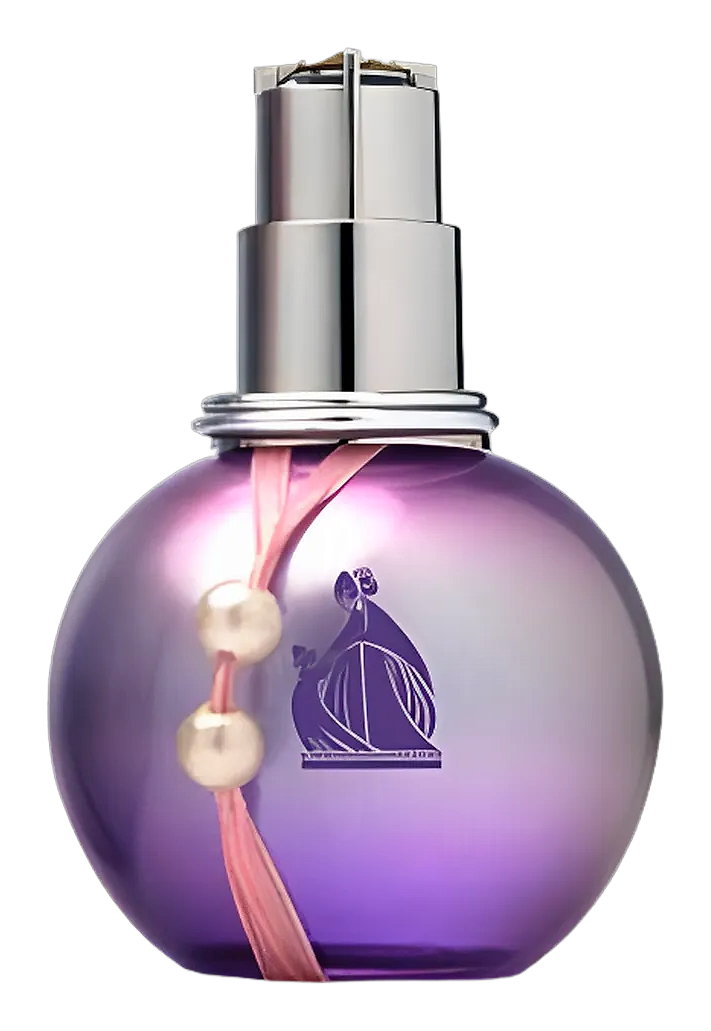
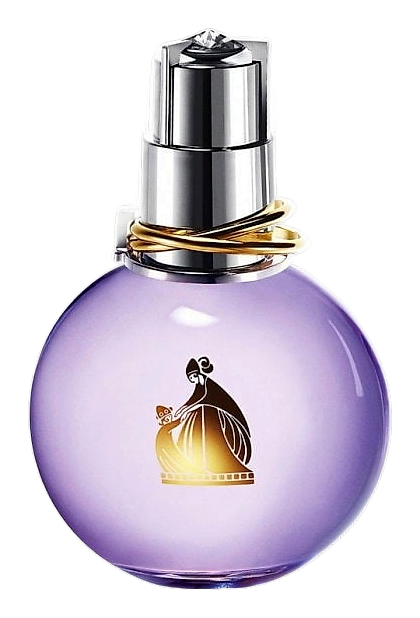
Launched in 2002, Éclat d'Arpège was born as a riff on Lanvin's legendary fragrance Arpège, the iconic composition Jeanne Lanvin built around rose, jasmine, and iris. Karine Dubreuil-Sereni composed it as a floral-fruity meditation on youth, spring, and the clean optimism of a Paris morning. The name itself signals a lighter register, a sparkle that promises brightness rather than the original's gravity. Where Arpège was dense and opulent, this is its younger sister: same DNA, different tempo. Lanvin reached into its own archive and pulled the thread forward, letting the classic house signature breathe through a modern lens.
The composition leans on materials that are difficult to pin down. Green lilac is elusive in perfumery, so it sits at the opening as a green, almost watery impression that suggests crushed stems and morning air without ever naming them. Wisteria, the heart's centerpiece, lends a soft, violet-adjacent sweetness that feels aquatic without going synthetic, a flower note that hovers rather than announces.
The evolution
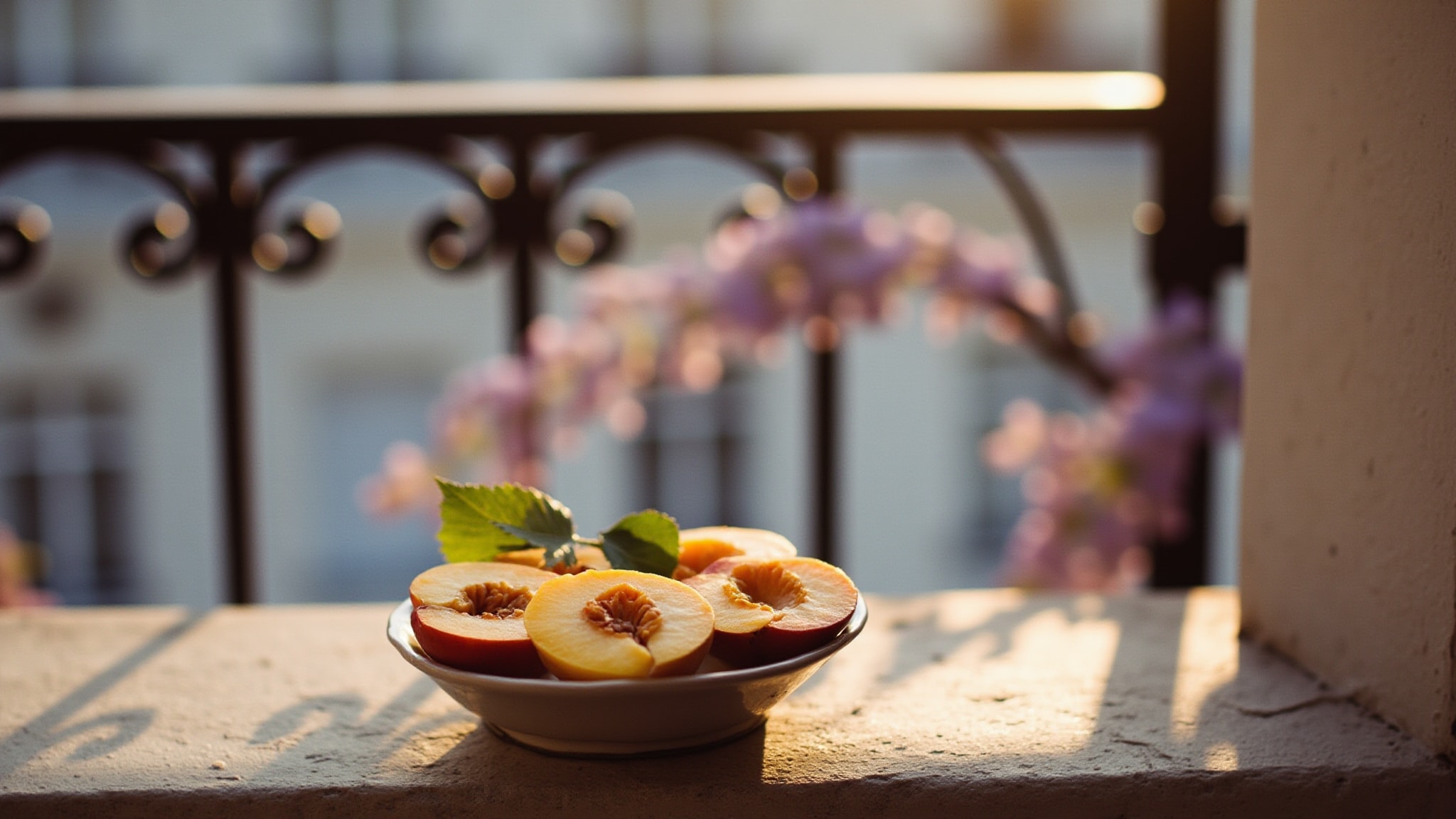
The first 15 minutes are green and bright, dominated by Sicilian lemon leaf and green lilac. There's a leafy, almost cucumber-like quality that reads as fresh laundry or morning dew. Then the wisteria blooms. It unfolds gradually over the next 2-3 hours, joined by peach blossom and red peony, adding a soft, fruity sweetness that never tips into syrup. The green tea weaves through the heart, keeping everything lifted and slightly cool, a thread of fresh bitterness that prevents the florals from becoming heavy. Around the 4-hour mark, the florals begin to fade and the base emerges: white musk takes over first, creating that clean-skin effect that makes the fragrance feel like an extension of the wearer rather than a layer on top. Then amber and cedarwood settle in underneath, warm and steadying, grounding the composition in something quiet and wooden.
Cultural impact
Éclat d'Arpège became a quiet modern classic, the kind of fragrance that earns devotion without ever broadcasting its importance. It marked a turn in perfumery toward lighter, more transparent compositions, a departure from the heavier orientals that had dominated women's fragrance for years. For many wearers, it opened a door: the floral-fruity structure felt accessible and modern, proof that elegance didn't require density or weight. It sits in a unique position, beloved by those who want something distinctive yet wearable, sophisticated yet uncomplicated.