
The Story
Why it exists.
The beginning
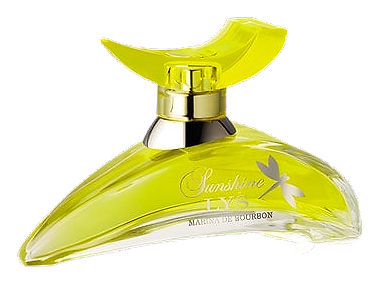
Eau de Lys, lys being the French for lily, arrived in 2006 as a study in floral transparency. The fragrance opens with bamboo, which gives the top a green crispness. Green apple and lemon follow, adding brightness that precedes the white florals: hyacinth, jasmine, lily, and rose arrive in sequence. The amber and white musk base anchors everything, giving the composition weight without overwhelming the delicate floral heart. What results is a fragrance that lets each note speak for itself, with nothing competing for attention.
What makes Eau de Lys notable is the bamboo. It functions as a bridge between the citrus opening and the white florals that follow. The green apple adds a crisp quality to the composition, and the lemon provides brightness. In the heart, lily takes center stage, with hyacinth offering a slight aquatic quality, rose contributing its own floral character, and jasmine tying the white florals together. The base of amber and white musk supports the florals as they develop, creating a fragrance that feels cohesive and deliberate.
The evolution
The opening features lemon and green apple, bright notes that set a clear initial impression. Bamboo follows, grounding the citrus and adding a green element to the composition. The transition to the heart unfolds as hyacinth emerges with its slight aquatic edge, then jasmine and rose arrive alongside it, while lily takes its place as the dominant floral. The drydown brings amber and white musk, which blend with the remaining florals to create a soft, warm finish. On fabric, the scent lingers with a lighter presence.
Cultural impact
Eau de Lys arrived in 2006 during a period when the house was refining its approach to intimate florals. The bamboo note brought something distinctive to the composition, standing apart from more conventional citrus openings. The fragrance occupies a particular space in the Princesse Marina de Bourbon collection, offering a floral experience that prioritizes clarity and subtlety. It's a scent that invites close attention rather than demanding it, rewarding those who notice its quiet complexity.