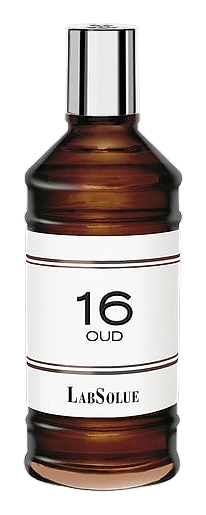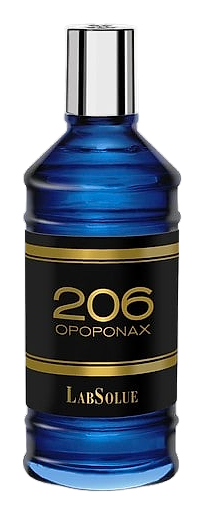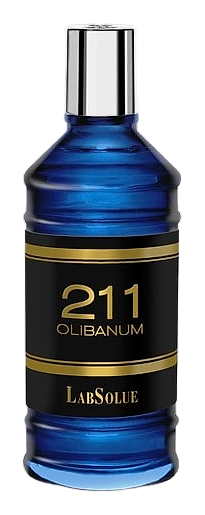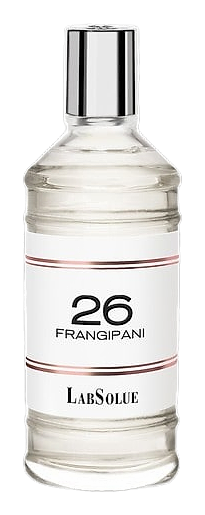
The Story
Why it exists.
The beginning
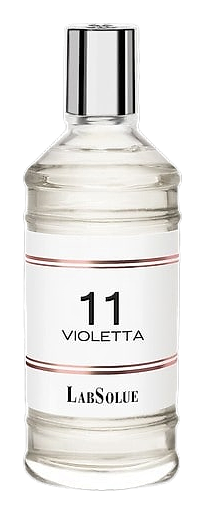
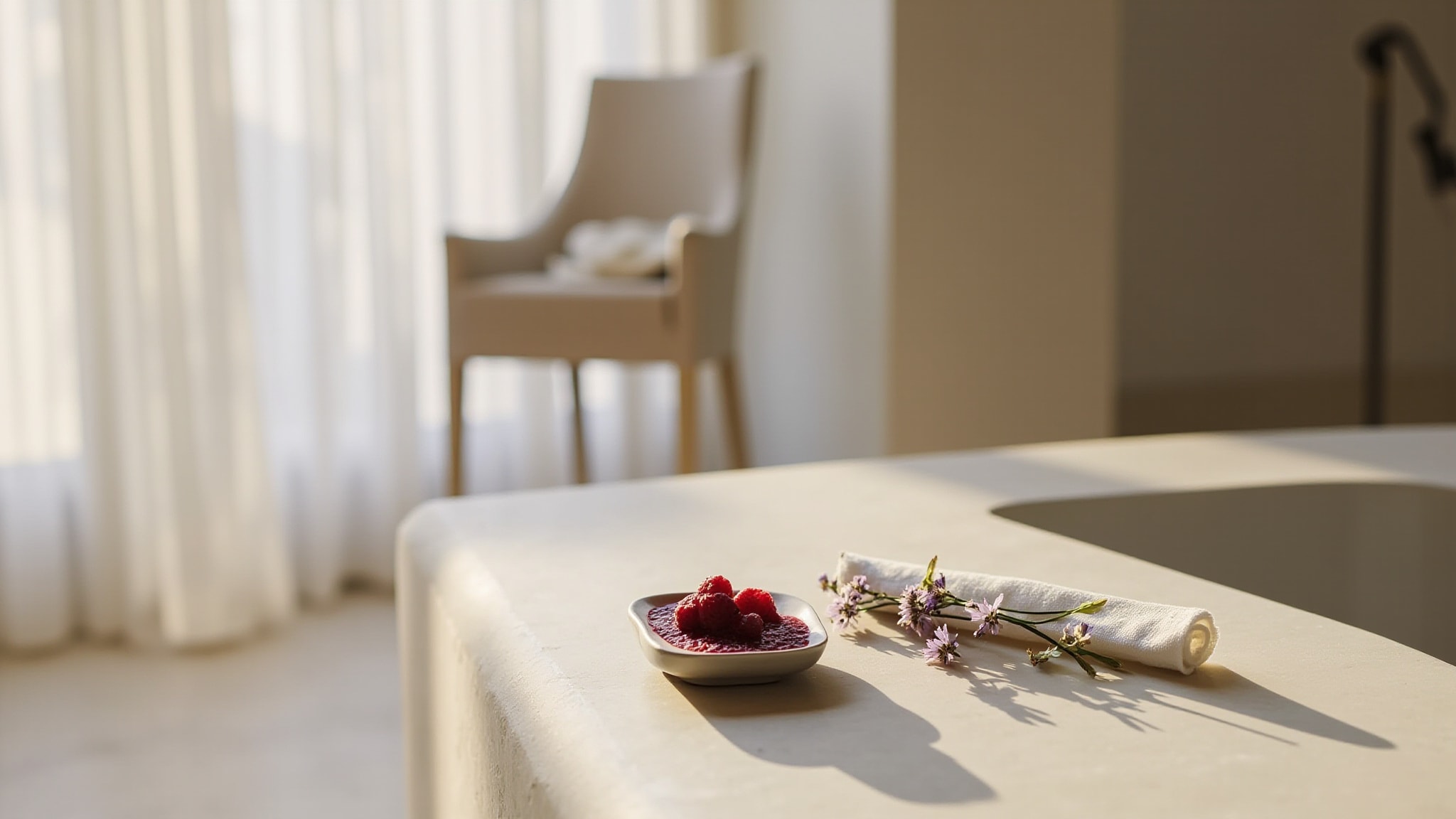
Violetta, in Italy, is no garden-variety flower. The small blue-violet bloom carries centuries of symbolism, modesty, grace, quiet devotion. 11 Violetta was built around that same shy energy, letting the flower's powdered sweetness lead. The composition doesn't shout. Raspberry lifts it with a fruit-stained brightness, a single note of warm pulp against the violet's chalky softness. Patchouli grounds everything in something earthier, more lived-in, a dusky counterweight that keeps the sweetness honest. The result is a scent that doesn't announce itself across a room. It waits. And when someone leans in, there's depth behind the sweetness, a quiet architecture of green, fruit, and soil.
What makes 11 Violetta interesting is how the notes converse rather than compete. The violet leaf brings its green, slightly metallic edge, a sharp vegetal accent that keeps the heart from going saccharine. The violet flower rounds it out with powder and softness, the cosmetic sweetness that makes the note instantly recognizable. The raspberry adds a jam-like warmth without leaning candy, more cooked fruit than confection. And the patchouli, which could easily dominate, sits at a low hum, dusky rather than aggressive, a suggestion of earth rather than a full statement.
The evolution
On skin, 11 Violetta opens with a rush of green. The violet leaf arrives first, carrying that cool, cucumber-like snap that violets are known for. Within the first few minutes, the raspberry enters, not as a bright fruit burst but as a jam-tinted warmth, like the residue of berries crushed between palms. The violet flower blooms through the heart, powdery and soft, settling into the characteristic cosmetic sweetness that makes the note so recognizable. By the second hour, the patchouli takes over the conversation. It doesn't roar. It murmurs, dark and slightly sweet, with a damp-soil quality that keeps the whole composition anchored. The drydown is where this fragrance earns its reputation. The patchouli and violet leaf linger together in close formation, leaving a trail that reads as warm skin, faint powder, and the memory of something green.
Cultural impact
11 Violetta sits in a familiar territory for anyone who knows the violet-patchouli pairing, but the raspberry addition gives it a contemporary edge. The fruit doesn't overpower the composition; it threads through the powder and green, adding a brightness that keeps the whole thing from feeling like a callback to older floral traditions. This is a fragrance for wearers who know what violet can do and want a version that feels alive rather than archival. It wears well in transitional seasons, when the air itself carries a mix of green and warmth, and it appeals to anyone drawn to florals that carry a little shadow alongside their sweetness.
The House
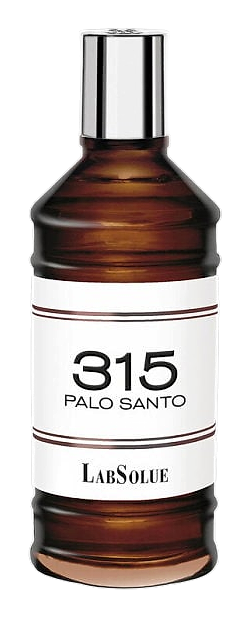
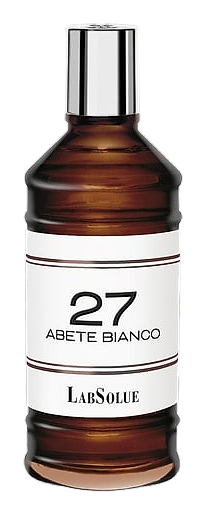
LabSolueLabSolue is an Italian niche perfume house that blends artisanal craft with modern lab techniques. Based in Milan, the brand offers a curated line of fragrances that draw on natural ingredients and a family tradition of scent making. Each scent arrives in a bottle that references historic apothecary vessels, while the formulas emphasize balance and depth. LabSolue also designs home diffusers that echo the same amber‑glass aesthetic, extending the olfactory experience beyond personal wear.
The Creator
Catherine SeligCatherine’s signature technique blends crisp citrus top notes with a heart of soft florals, anchored by a warm, mineral base. She frequently reaches for bergamot, yuzu, and pink pepper to add brightness, then layers in jasmine, peony, or lily of the valley for depth.