The Story
Why it exists.
The beginning
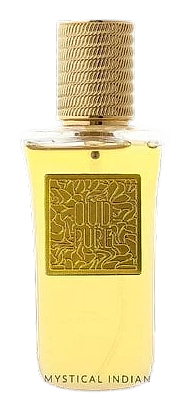
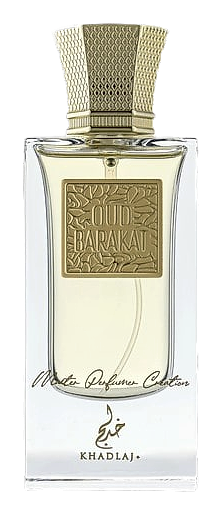
Barakat carries a name with cultural weight, and when Khadlaj places it on a bottle, that weight is intentional. Oud Pure Oud Barakat arrived as part of the house's Master Perfumer Creation collection, the line where Mohamed Iqbal Abdul Sattar's direct involvement is the selling point. The composition zeroes in on oud above all else, with every other element subordinated to the central material rather than competing with it. Nothing about the formula softens the edges or pulls toward easier territory. Sources place the release around 2025, though the exact year varies between fragrance databases. The fragrance reads as a statement of intent from a house that treats oud as the main event rather than an accent, and the result is something that doesn't bend itself toward familiarity.
What's interesting here is the restraint disguised as intensity. The pyramid is tight: nagarmotha, saffron, and vetiver up top. Musk and a second saffron pass through the heart. Oud anchors everything below. No rose, no fruit, no sweetness to blunt the edges. The top notes work together with unusual tightness, each pulling a specific weight. The nagarmotha contributes an earthy dryness that sets the tone before anything else has a chance to register.
The evolution
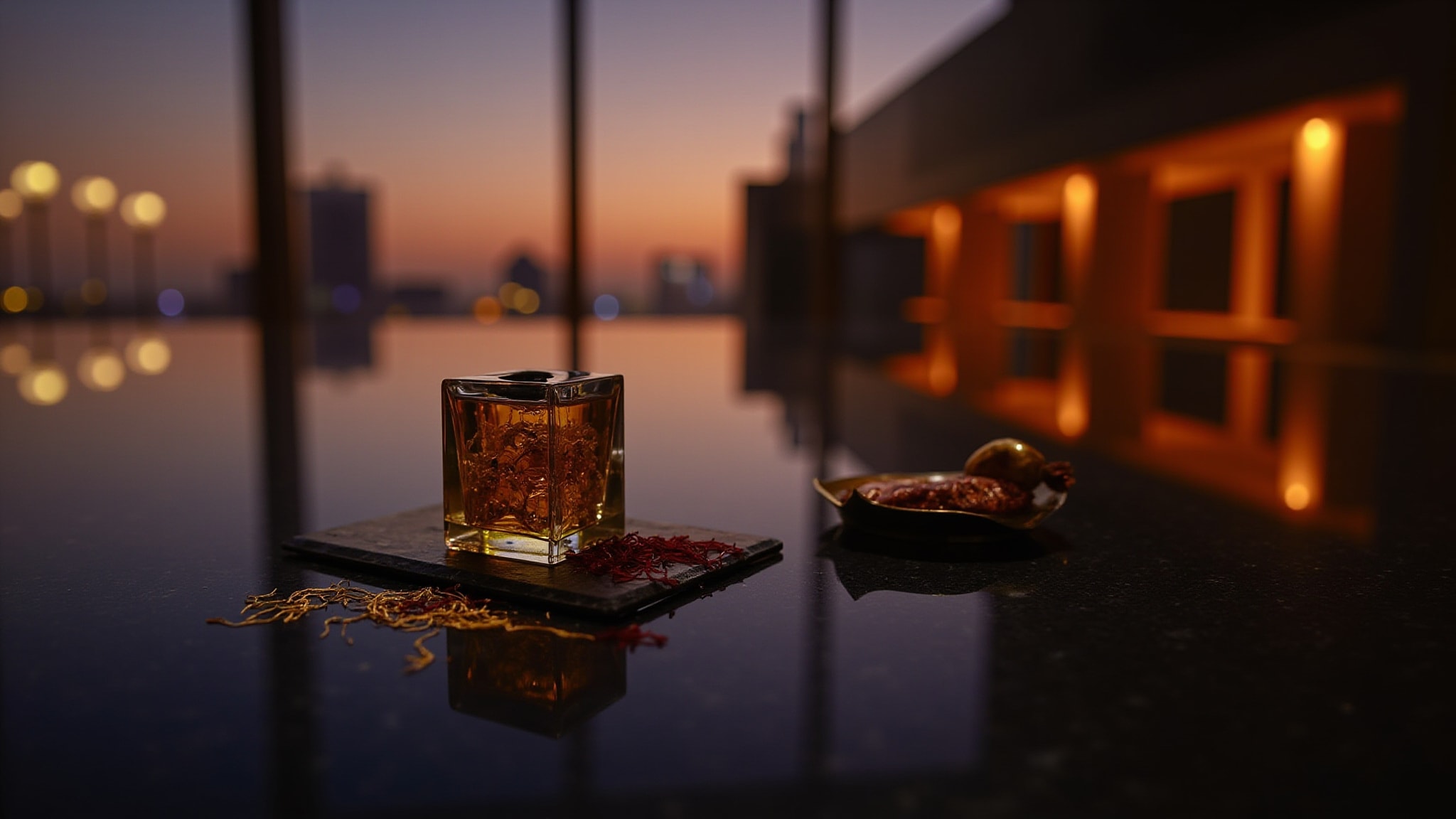
The first ten minutes belong to the nagarmotha, dry, rooty, almost the smell of a field after a controlled burn. It sits closer to the skin than you'd expect from something this dark, more smolder than blaze. By the half-hour mark, saffron has threaded its way in, metallic and slightly bitter, not the confectionery saffron of a gourmand but the kind that tastes like iron if you bit into it. The vetiver reinforces that, wet earth, pencil shavings, something green that never fully greens. The oud takes over somewhere around the ninety-minute mark and doesn't let go. It's a smooth, resinous oud that flattens everything else into a single sustained chord, the kind of material that doesn't need smoke or barnyard to announce itself. Musk arrives at the edges to soften where the composition meets skin, but the oud remains the center of gravity.
Cultural impact
Oud Pure Oud Barakat operates within a specific tradition of oud-forward Arabian perfumery where the central material is allowed to dominate without competing sweetness, fruit, or floral additions pulling attention elsewhere. The composition reflects a philosophy that treats oud as an art form worth showcasing on its own terms, and the resulting fragrance offers a window into how Gulf oud traditions approach the material when nothing is added to dilute its presence.
The House
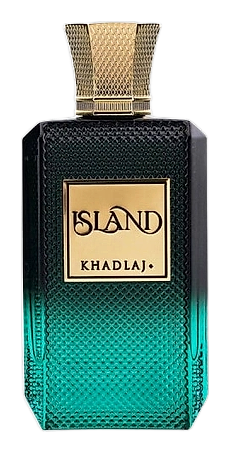
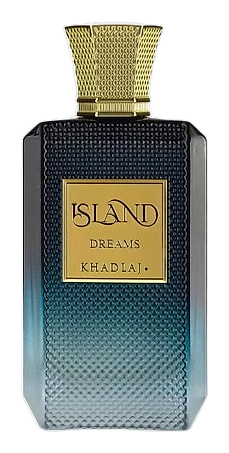
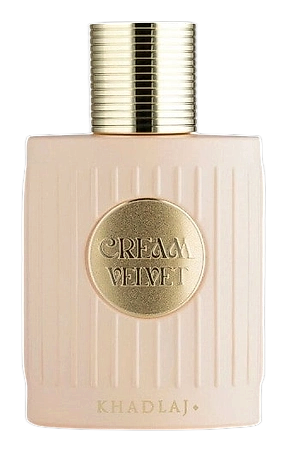
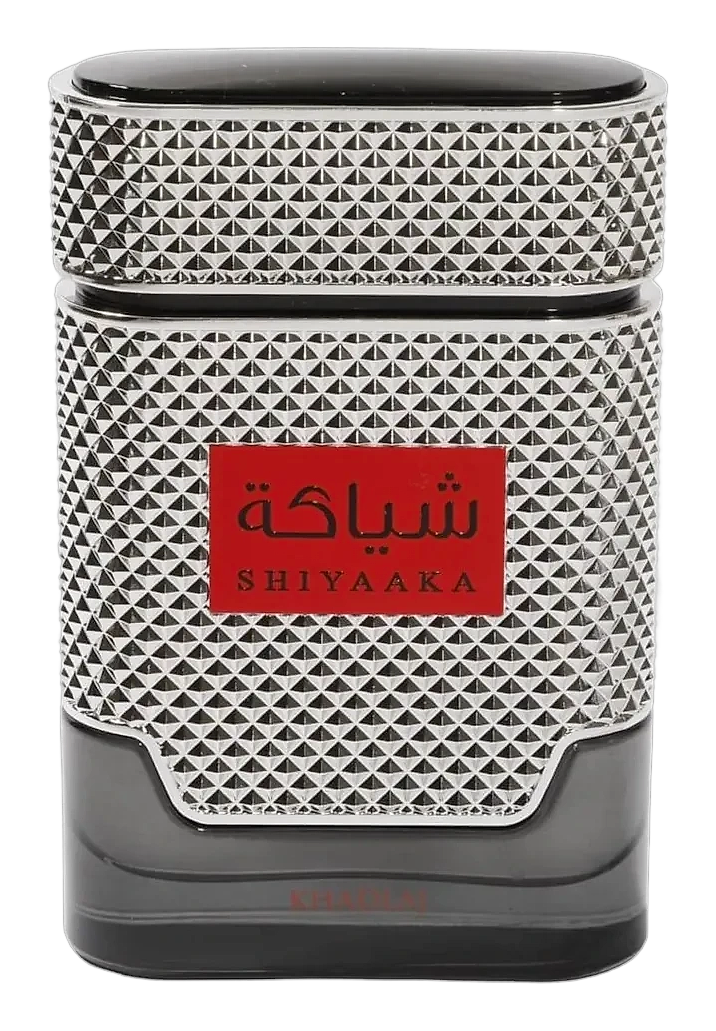
Khadlaj PerfumesKhadlaj Perfumes is a family-owned fragrance house established in the UAE in January 1997, founded by master perfumer Mohamed Iqbal Abdul Sattar. The company operates from headquarters in Sharjah, with its production facility located in Ras Al Khaimah. With a catalog exceeding 100 fragrances, the brand specializes in Arabic and French perfume traditions, with particular expertise in Dehn al Oud, rose, and musk compositions. The house maintains a significant retail footprint across the Gulf region, operating five showrooms in the UAE and five in Oman, while distributing products to over 70 countries worldwide. Second-generation perfumer Asif Mohamed Iqbal Katchi now plays a key leadership role in guiding the company's continued expansion. Community rating platforms place Khadlaj fragrances at an average score of approximately 7.9 to 8.0 out of 10, based on thousands of user reviews.
The Creator
Mohamed Iqbal Abdul SattarSattar's style is rooted in opulent, resinous Middle Eastern signatures—think warm amber, smoky incense, and rich oud—but his work reveals surprising range. He layers traditional materials with floral and citrus accents to create fragrances that feel both ancient and immediate.