
    Brand Profile

    Khadlaj Perfumes is a family-owned fragrance house established in the UAE in January 1997, founded by master perfumer Mohamed Iqbal Abdul Sa…More

    United Arab Emirates·Est. 1997·Site

    3

    Fragrances

    4.3

    Rating

    Just Landed

    New Arrivals

    The latest additions to the Khadlaj Perfumes collection.

    3
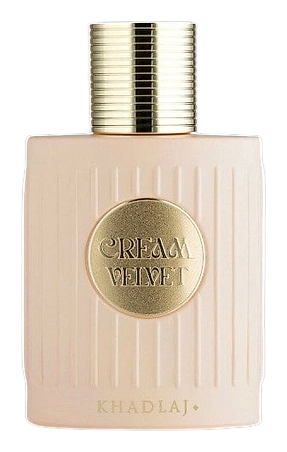
    Cream Velvet by Khadlaj Perfumes
    NewBest Seller
    4.4

    Cream Velvet

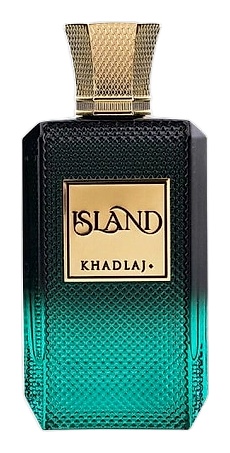
    Island by Khadlaj Perfumes – Eau de Parfum
    Best Seller
    4.4

    Island

    Eau de Parfum

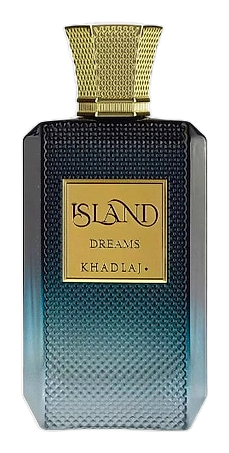
    Island Dreams by Khadlaj Perfumes – Eau de Parfum
    NewBest Seller
    4.2

    Island Dreams

    Eau de Parfum

    Haltane by Parfums de Marly
    Coming Soon

    Haltane

    Parfums de Marly

    Baccarat Rouge 540 by Maison Francis Kurkdjian
    Coming Soon

    Baccarat Rouge 540

    Maison Francis Kurkdjian

    Aventus by Creed
    Coming Soon

    Aventus

    Creed

    The Heritage

    The Story of Khadlaj Perfumes

    Khadlaj Perfumes is a family-owned fragrance house established in the UAE in January 1997, founded by master perfumer Mohamed Iqbal Abdul Sattar. The company operates from headquarters in Sharjah, with its production facility located in Ras Al Khaimah. With a catalog exceeding 100 fragrances, the brand specializes in Arabic and French perfume traditions, with particular expertise in Dehn al Oud, rose, and musk compositions. The house maintains a significant retail footprint across the Gulf region, operating five showrooms in the UAE and five in Oman, while distributing products to over 70 countries worldwide. Second-generation perfumer Asif Mohamed Iqbal Katchi now plays a key leadership role in guiding the company's continued expansion. Community rating platforms place Khadlaj fragrances at an average score of approximately 7.9 to 8.0 out of 10, based on thousands of user reviews.

    Heritage

    Mohamed Iqbal Abdul Sattar founded Khadlaj Perfumes in January 1997, bringing reportedly four decades of perfumery experience to the new venture. His stated aim was to develop fragrances that appeal to diverse preferences and cultures worldwide. The company grew from a single establishment into a regional presence, establishing showrooms across the UAE and Oman while expanding distribution internationally. The brand remained family-owned, with Sattar's son, Asif Mohamed Iqbal Katchi, subsequently joining the business with over 18 years of industry experience to contribute his own vision for the company's direction. Khadlaj built its reputation around Arabic perfume traditions, particularly Dehn al Oud, rose, and musk, while incorporating Western influences and elements borrowed from niche perfumery practices. The company held trademarks across most continents by its second decade of operation, and its products reached consumers in over 70 countries. Community fragrance platforms indicate the house created its earliest international-edition perfumes in 2018, with the catalog expanding to over 100 distinct fragrances by the mid-2020s. The family structure remained central to operations, with father and son both holding key roles in perfumery and business leadership respectively.

    Craftsmanship

    The company produces its fragrances at a dedicated facility in Ras Al Khaimah, an emirate in the northern UAE known for its traditional perfume industry presence. Khadlaj's craft centers on three signature note families: Dehn al Oud (agarwood oil extracts), rose, and musk. These ingredients represent the foundation of Arabic perfumery and reflect the house's commitment to traditional oriental materials. The brand works with both single-note concentrations and blended compositions that layer multiple aromatic elements. Alongside personal fragrances, the company produces home ambiance products including room scents and Bakhoor (aromatic wood chips used for scenting spaces), demonstrating an expanded definition of perfumery craft. The production process reportedly emphasizes quality control and attention to formulation details, though specific technical processes remain proprietary to the house. Khadlaj also offers private labeling services, indicating manufacturing capabilities that extend beyond the house's own brand to serve other fragrance businesses.

    Design Language

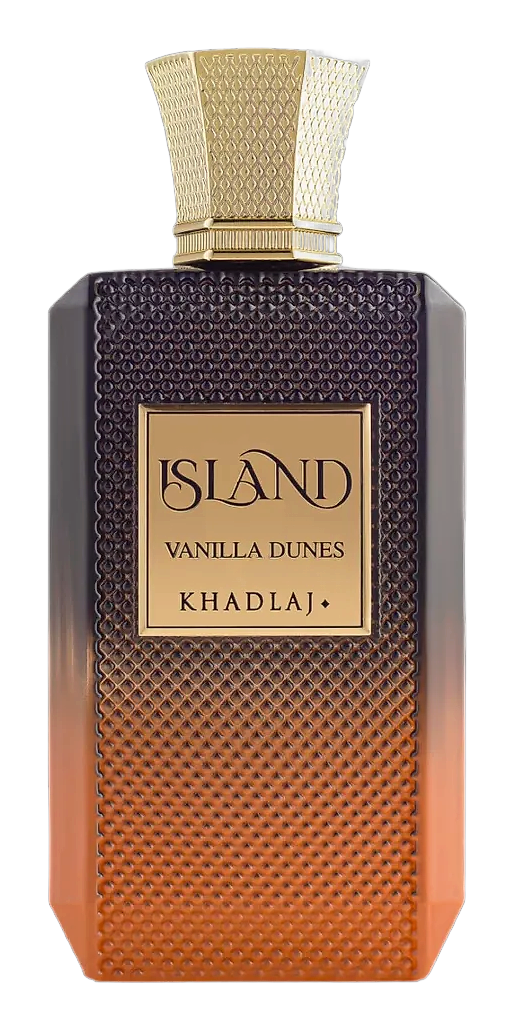
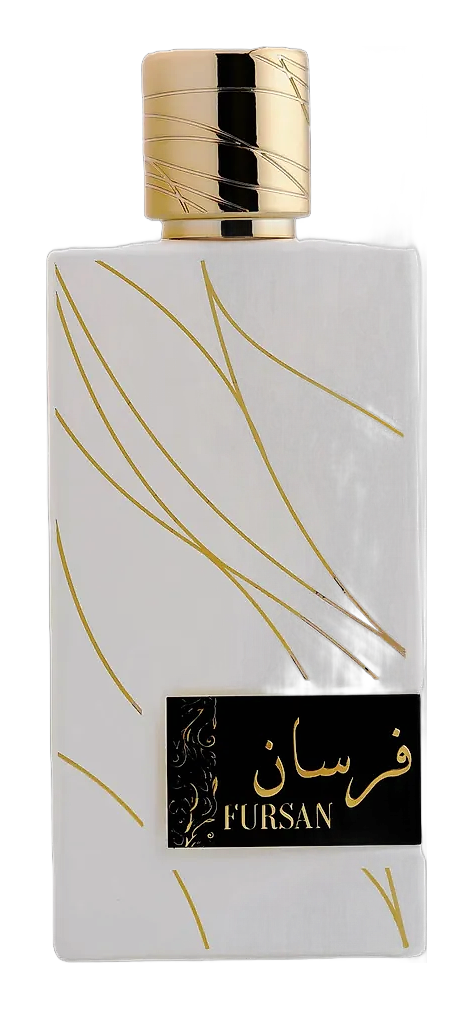
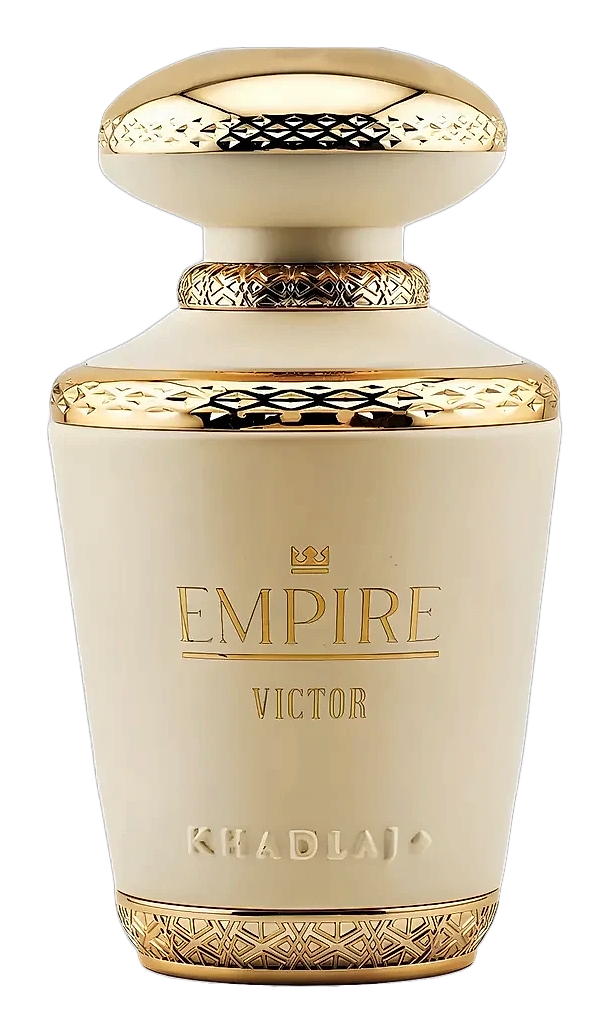
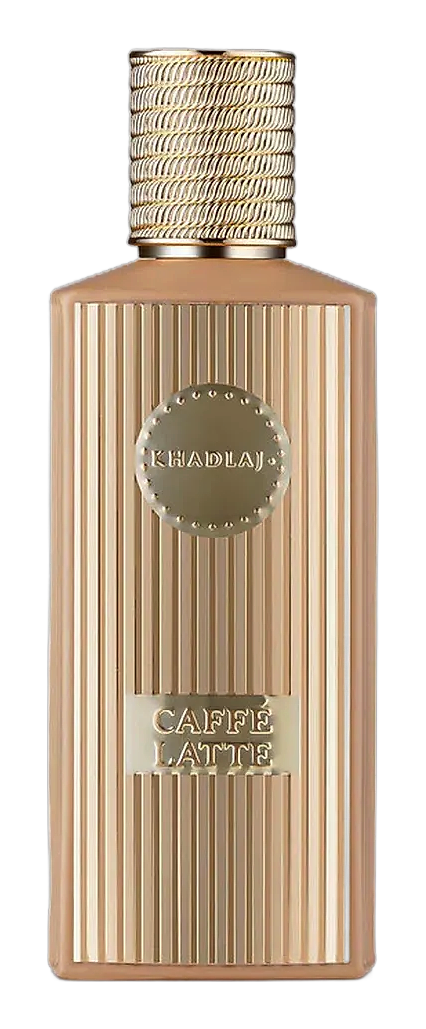
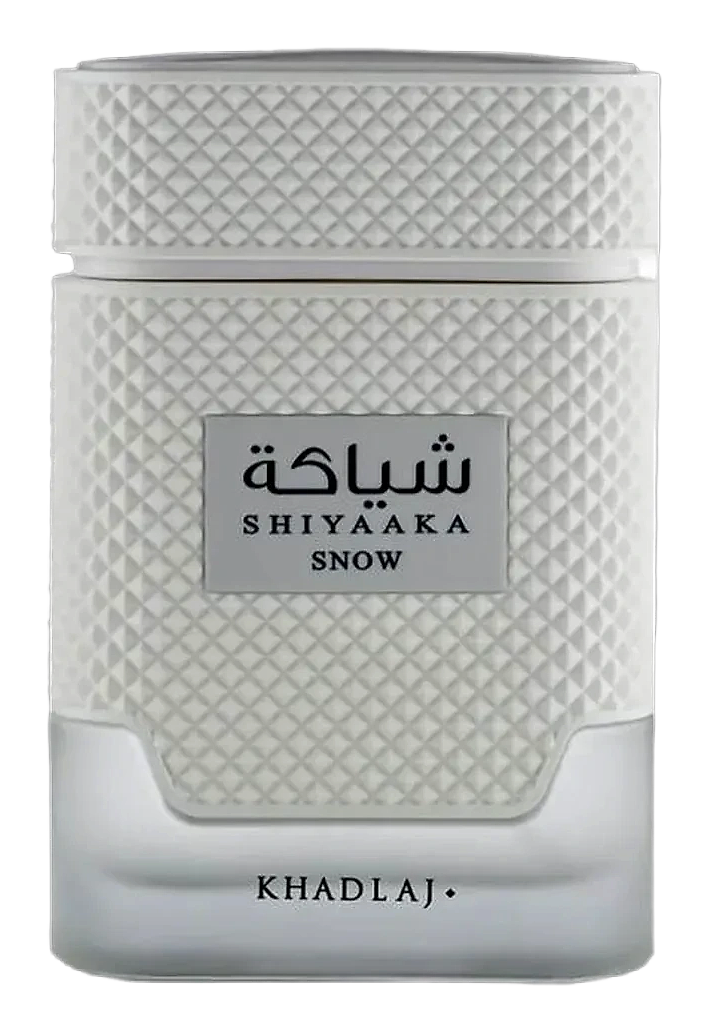
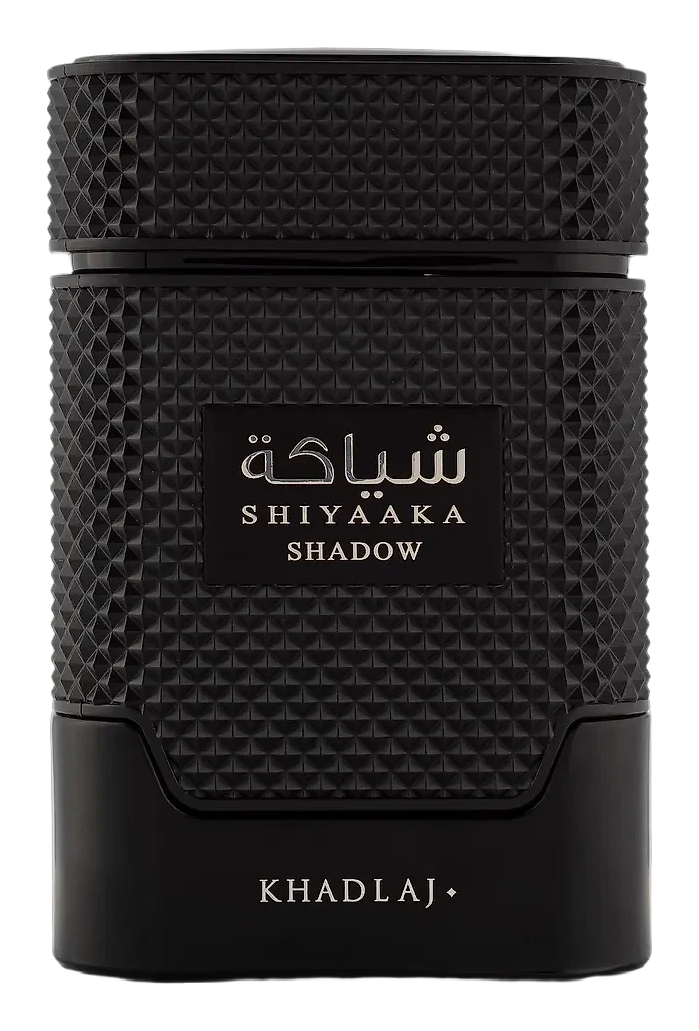
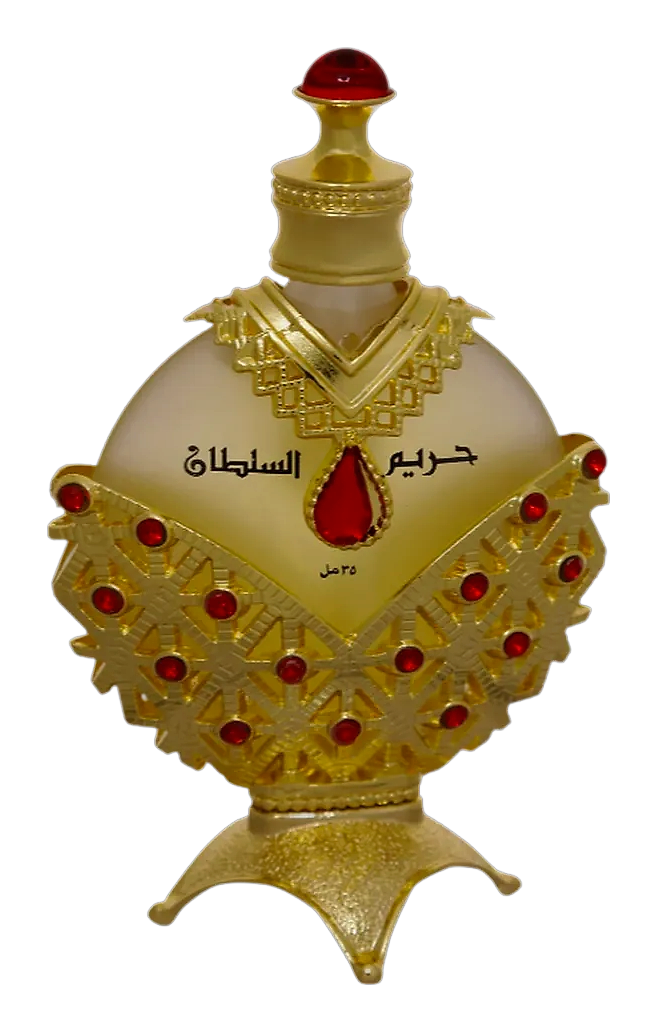
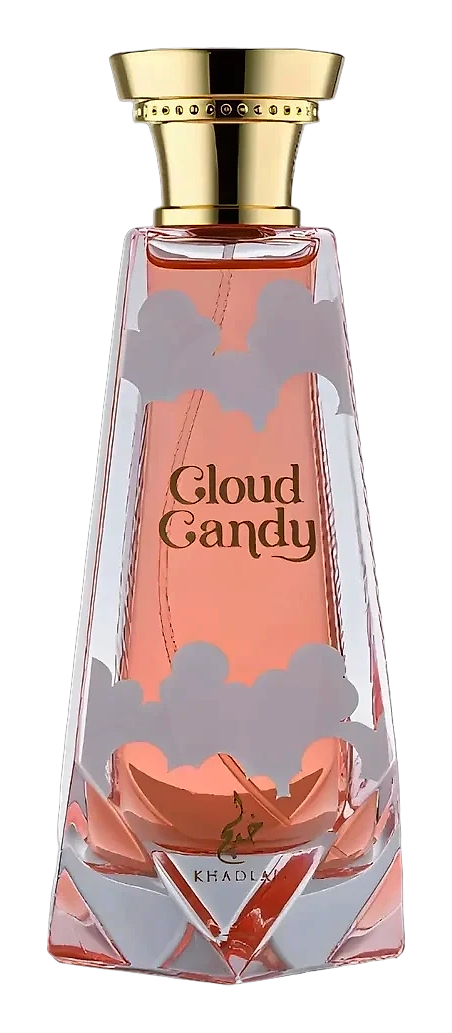
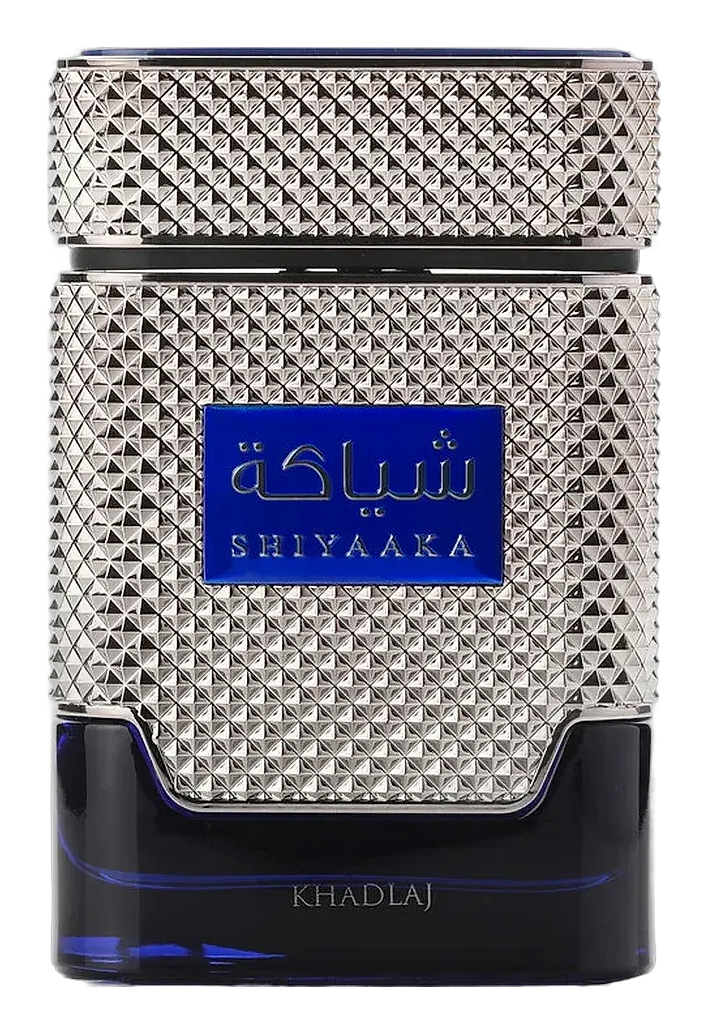
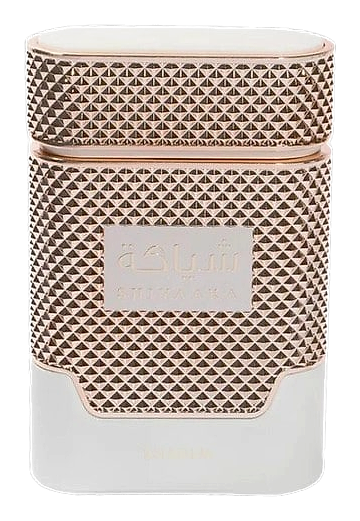
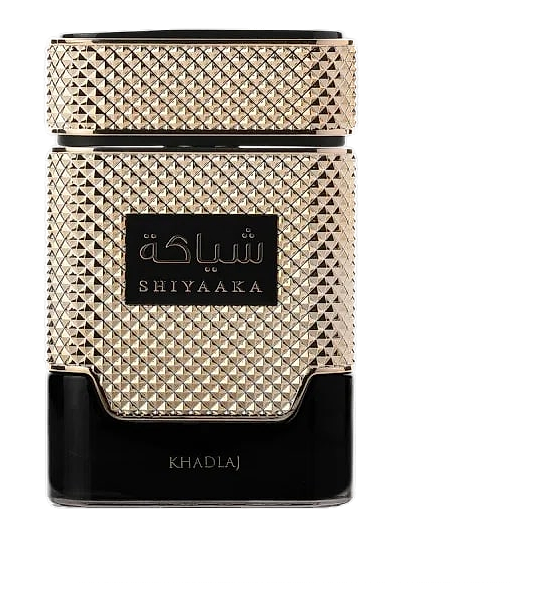
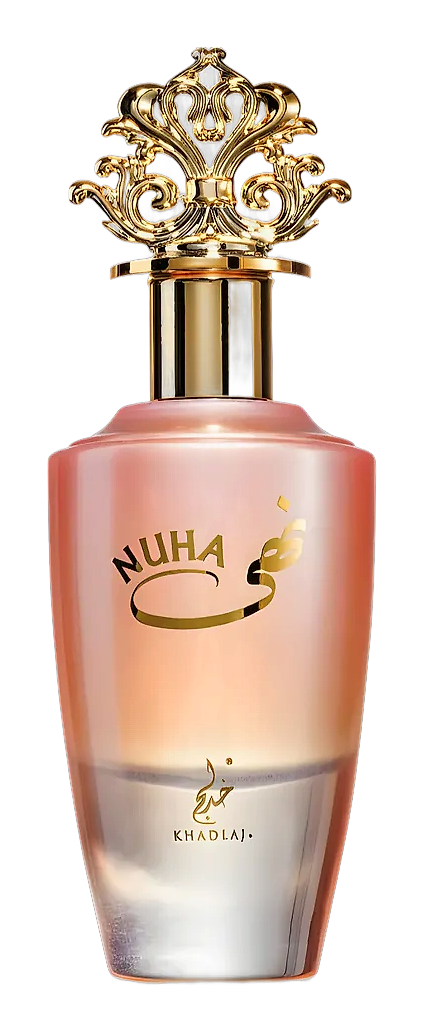
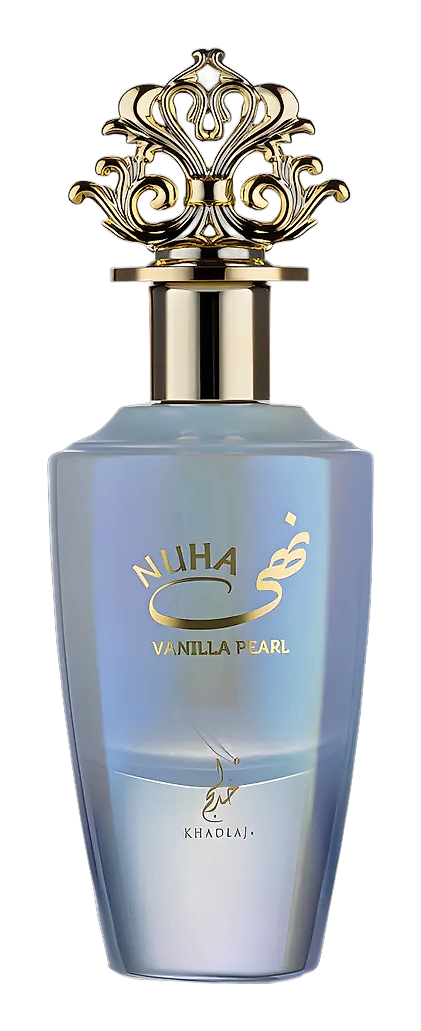
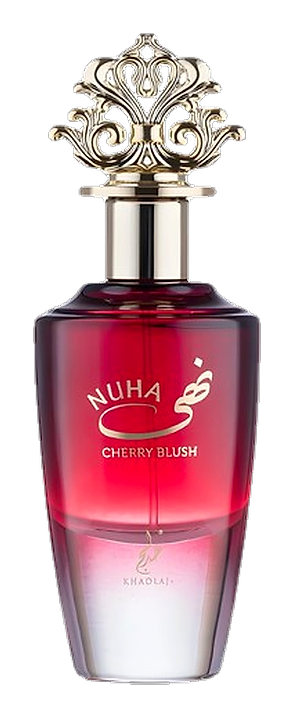
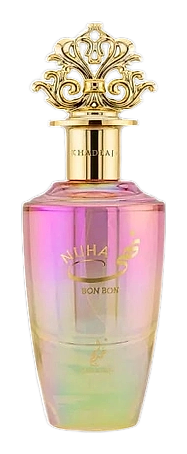
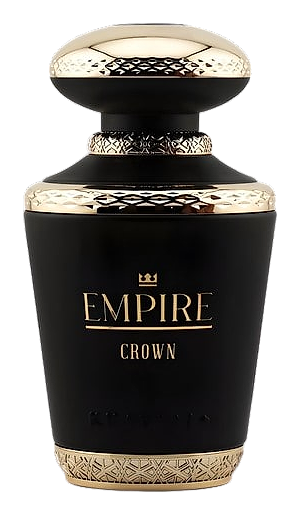
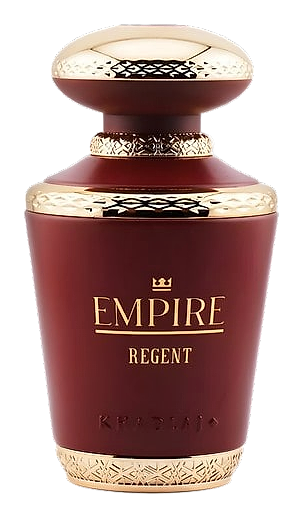
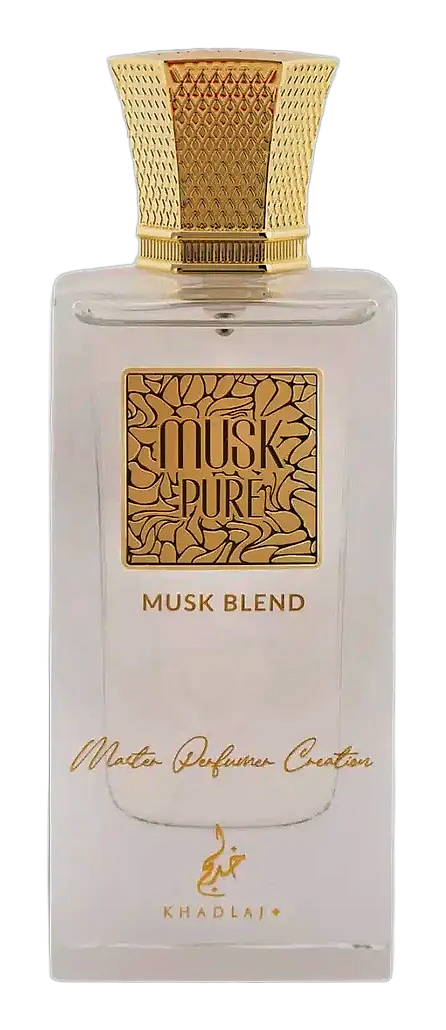
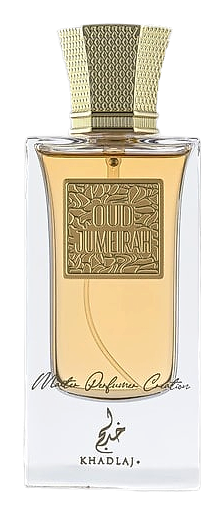
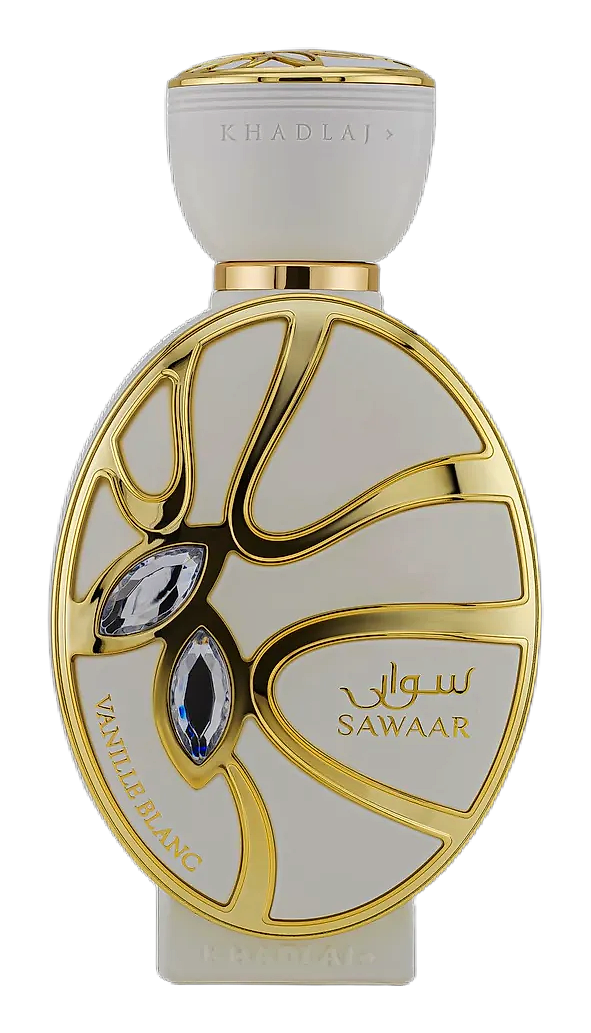
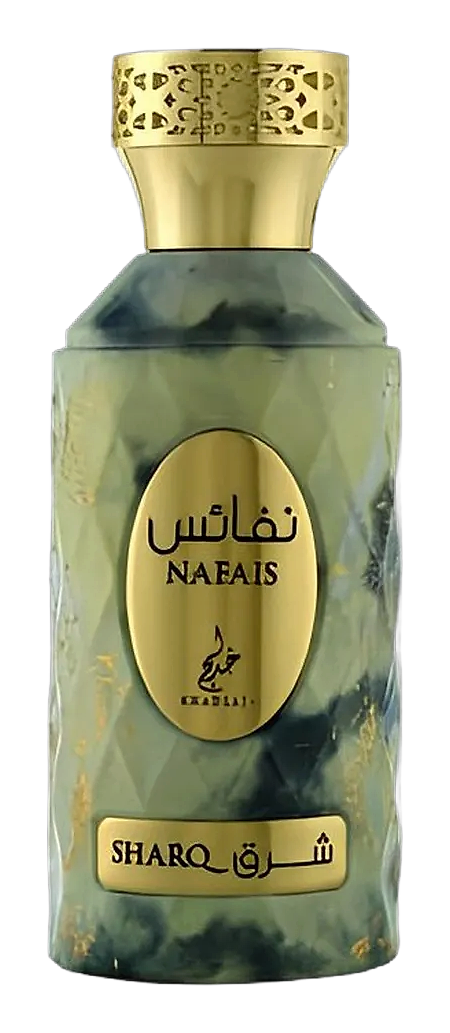
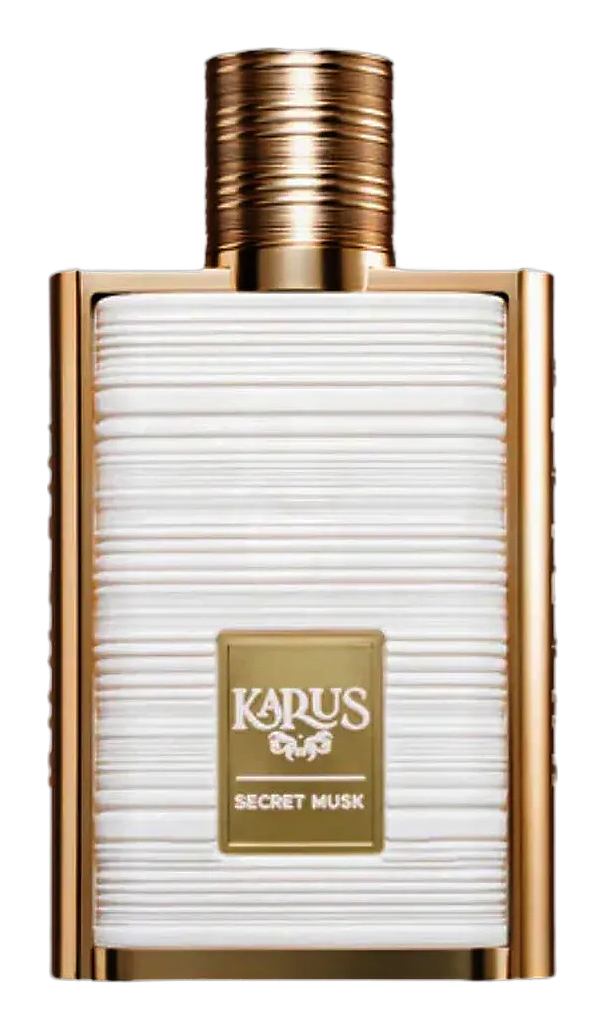
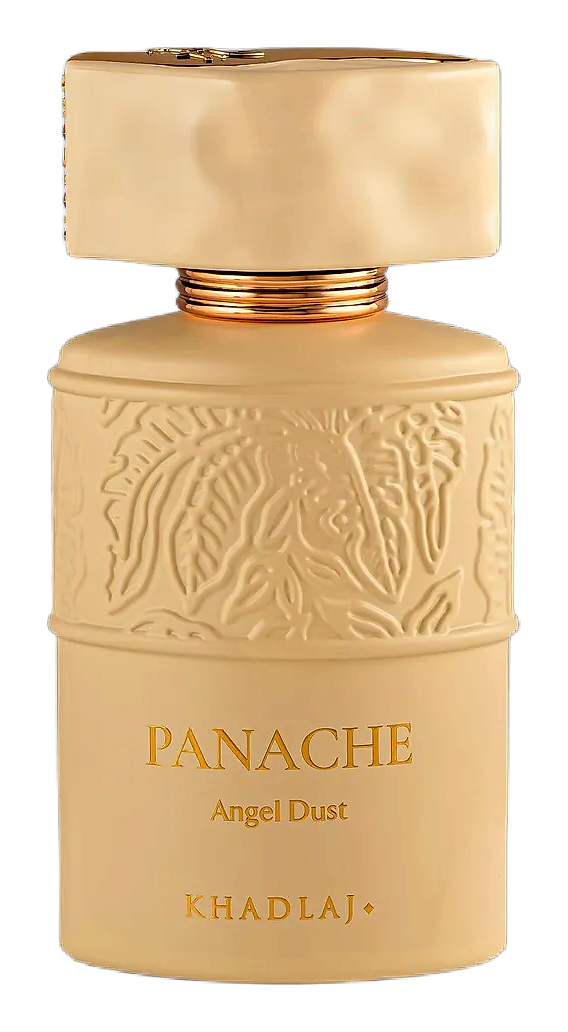
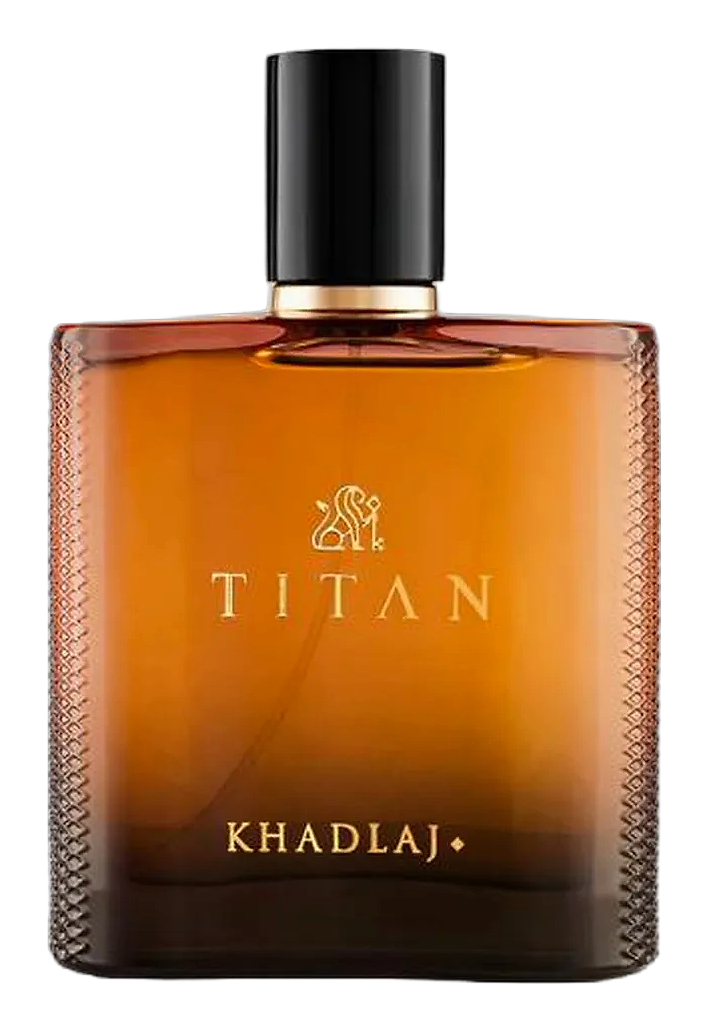
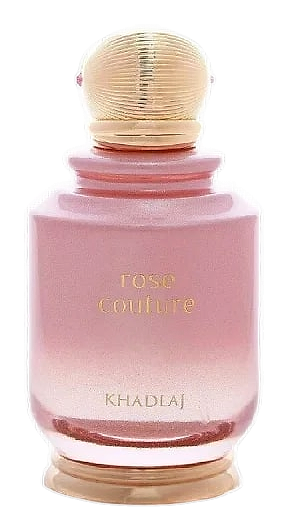
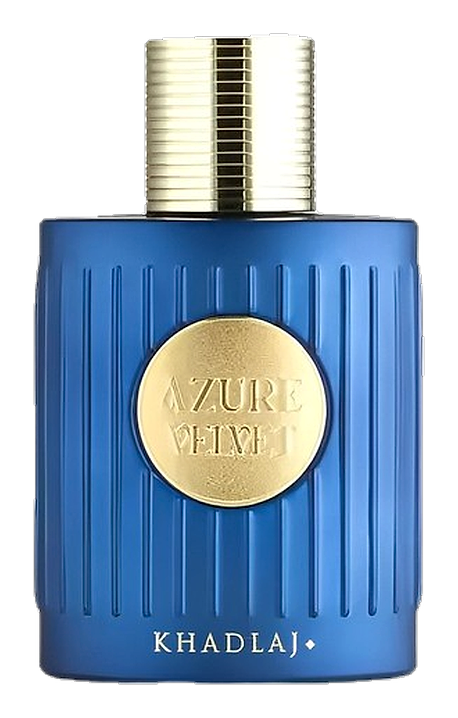
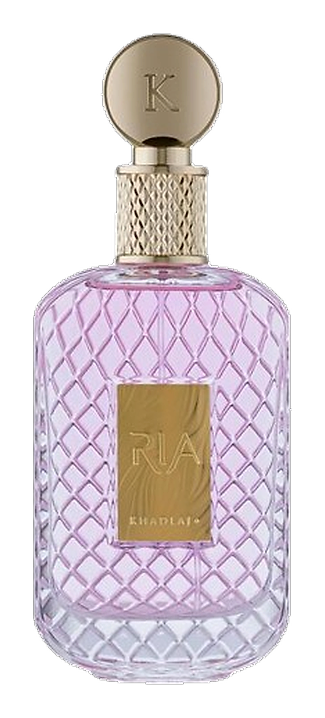
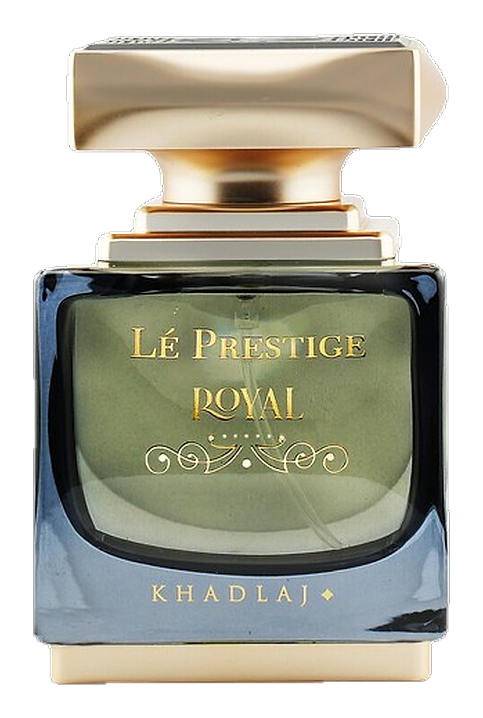
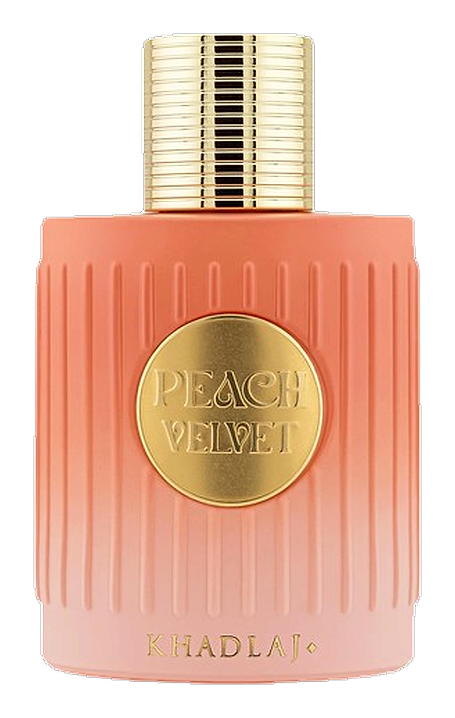
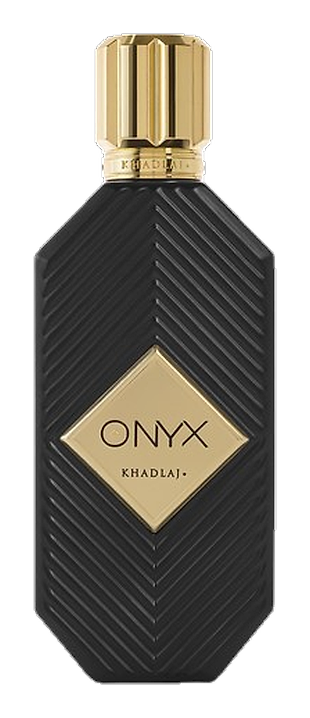
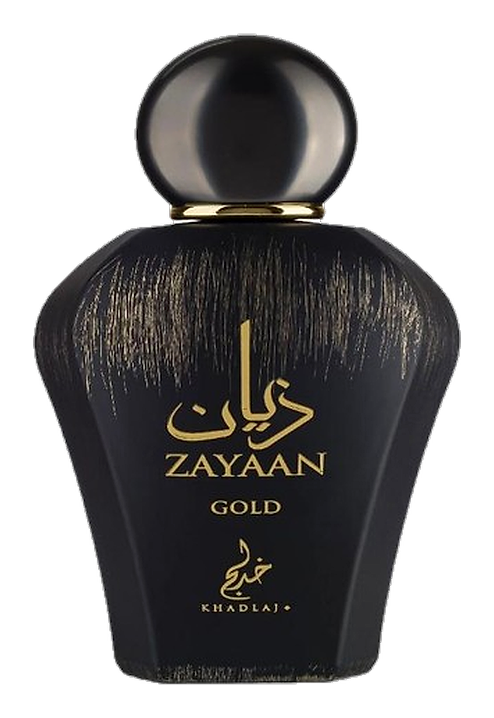
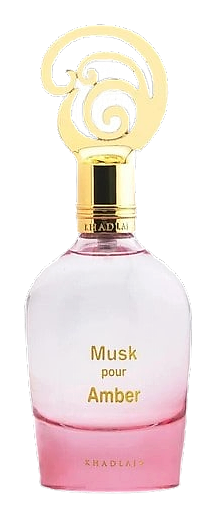
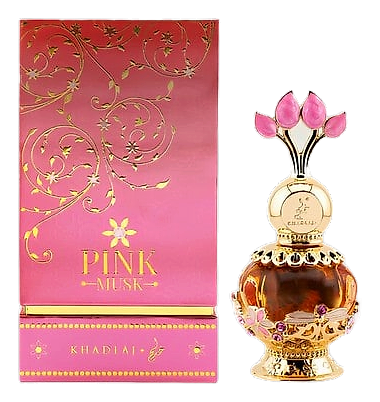
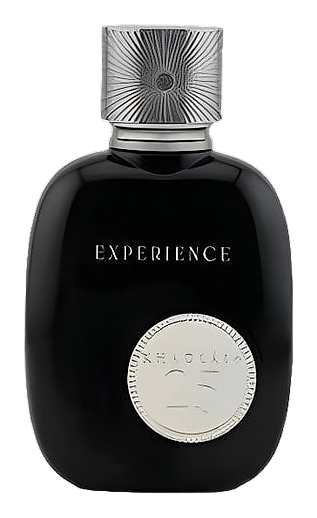
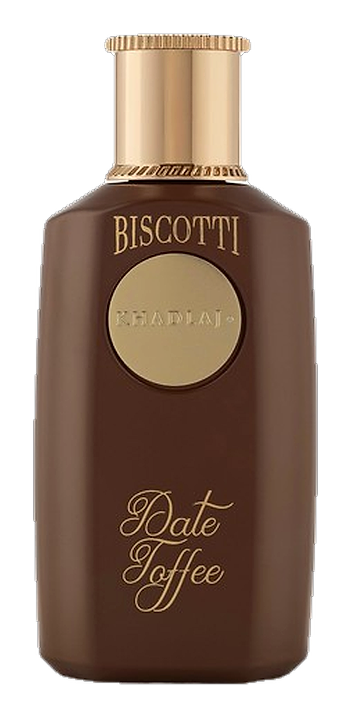
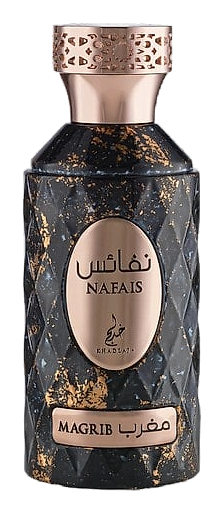
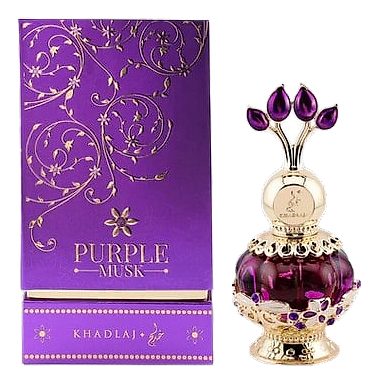
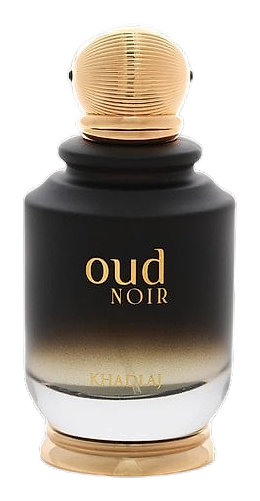
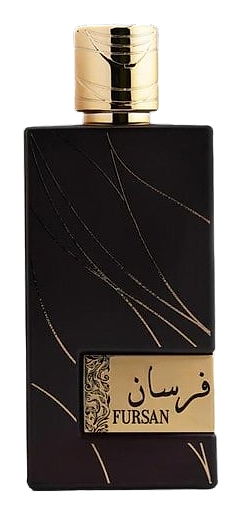
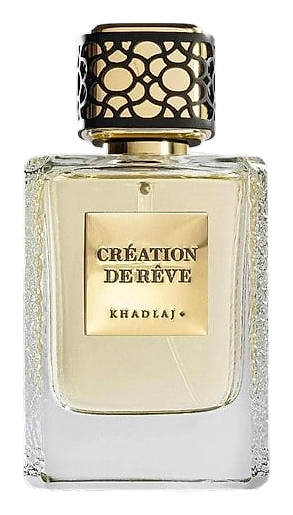
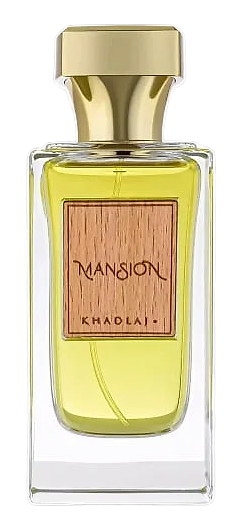
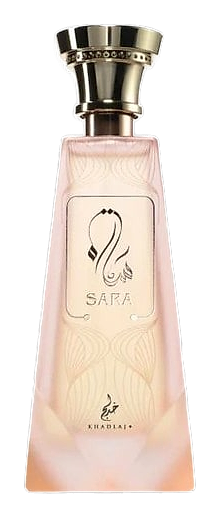
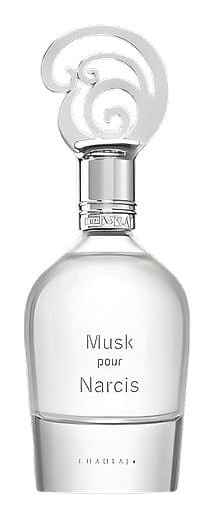
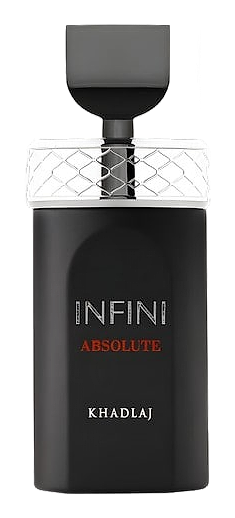
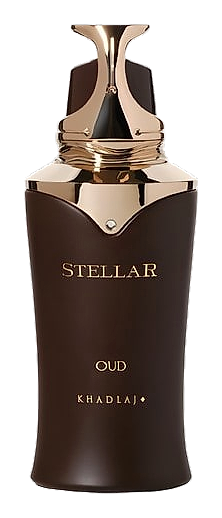
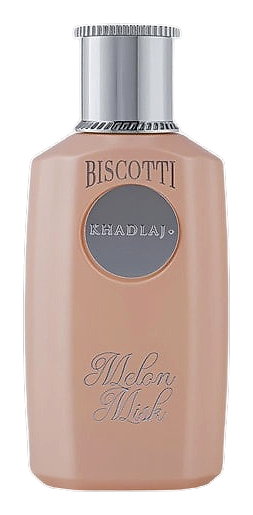
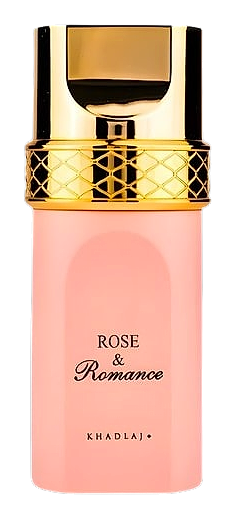
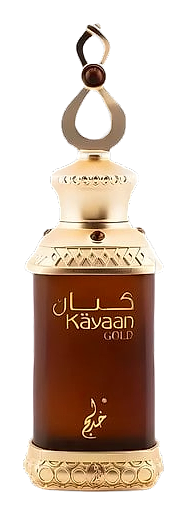
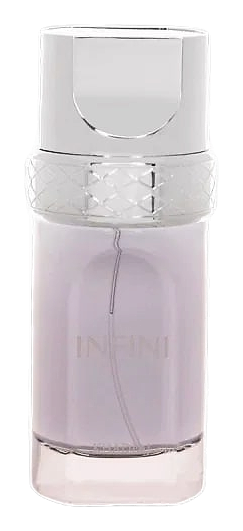
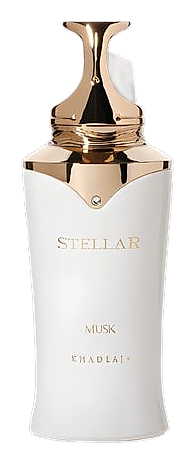
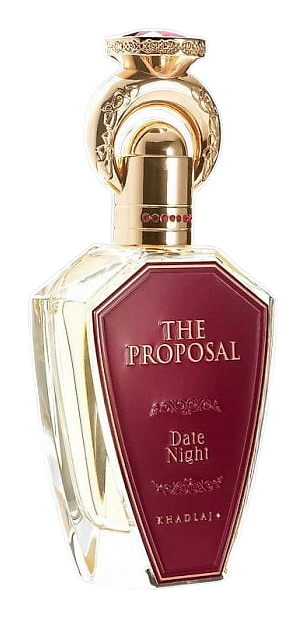
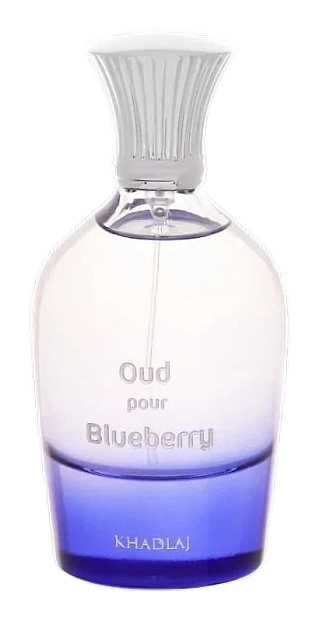
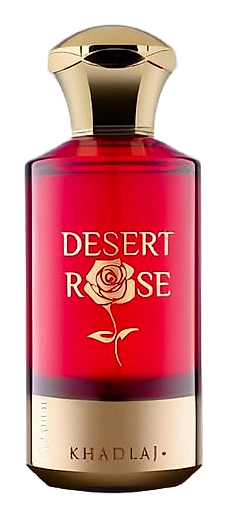
    Khadlaj presents its brand through a visual identity that reflects both Arabic luxury traditions and contemporary minimalism. Fragrance bottles typically feature ornate detailing with gold accents and faceted designs, often incorporating Islamic geometric patterns or calligraphy-inspired elements into the packaging. The house employs deep jewel tones and metallic golds as signature colors, creating a cohesive aesthetic across the catalog that emphasizes richness and refinement. Marketing materials and retail spaces maintain an upscale presentation, with showroom designs incorporating traditional Arabian architectural influences alongside modern retail concepts. The overall visual language positions the brand within the luxury fragrance segment while remaining accessible to a broad customer base across different markets.

    Philosophy

    The brand positions its creative philosophy around crafting what it describes as unforgettable fragrances that serve as essential accessories, leaving a lasting impression on the wearer. Khadlaj describes its approach as bringing tradition together with modern blending techniques, creating what it calls an entourage of elegance and sophistication. Rather than focusing on a single regional style, the house pursues both oriental and occidental fragrance profiles, suggesting a deliberate crossover strategy that appeals to diverse markets. The company describes its work as bespoke, meaning tailored to specific olfactory preferences rather than following uniform mass-market approaches. This philosophy manifests in the range of offerings, from traditional Arabic oil-based compositions to French-style Eau de Parfum formats, and extends to home ambiance fragrances alongside personal wear scents. The dual focus on Arabic and French perfume traditions indicates an intention to serve both regional Gulf consumers and international customers who appreciate Middle Eastern perfumery. Khadlaj also emphasizes artisanal excellence as a core principle, suggesting careful handcraft rather than purely industrial production methods.

    Key Milestones

    1997

    Mohamed Iqbal Abdul Sattar founds Khadlaj Perfumes in the UAE, establishing headquarters in Sharjah and a production facility in Ras Al Khaimah

    2018

    The house releases its earliest international-edition perfumes, marking the beginning of global distribution beyond the Gulf region

    2020

    Khadlaj introduces Kayaan Gold and La Fede Crystallia Imperio, two notable releases in the catalog

    2023

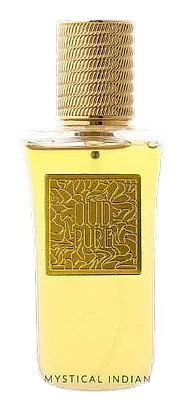
    The brand releases Mystical Indian Oud Pure, reflecting continued focus on traditional oud compositions

    2026

    Intoxicate Mystique becomes the most recent release noted in the catalog, indicating ongoing creative development

    At a Glance

    Brand profile snapshot

    Origin

    United Arab Emirates

    Founded

    1997

    Heritage

    29

    Years active

    Collection

    3

    Fragrances released

    Avg Rating

    4.3

    Community sentiment

    Release Rhythm

    2025
    2
    2024
    1
    khadlajperfumes.com

    Did You Know?

    Interesting Facts

    Distinctive details and defining moments that shape the house personality.

    01

    The production facility operates in Ras Al Khaimah, one of the seven emirates of the UAE known for its traditional perfume-making heritage.

    02

    The company offers private labeling services alongside its own branded products, suggesting significant manufacturing capacity and formulation expertise beyond direct retail.

    03

    Founder Mohamed Iqbal Abdul Sattar reportedly entered the perfumery industry with over 40 years of experience at the time of founding in 1997.

    04

    The brand maintains five showrooms in the UAE and five in Oman, creating a substantial physical retail presence across the Gulf Cooperation Council countries.