
The Story
Why it exists.
The beginning
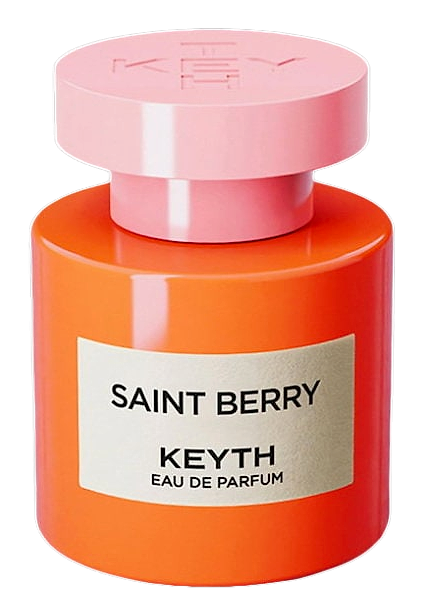
Saint Berry arrived in 2024, a new entry from Keyth, the South Korean house. The name does the obvious work, then stops you. Saint Berry is not a saccharine confection. It's what happens when berries meet something older, when sweetness gets weathered by oak and sweetened by patience. The composition leans into ripeness and warmth, exploring the space between fruit and fermentation rather than landing on either side. On skin, the opening is a quick flash of pink pepper, bright and slightly sharp, the kind of heat that wakes the nose before the fruit arrives. Then the berries come in: raspberry first, carrying that almost jammy tartness, the kind that sits on the tongue rather than dissolving quickly.
What makes this composition work is the collision at the center: raspberry and rum. The raspberry brings that bright, almost jammy tartness, the kind that sits on the tongue. Rum deepens it, adds the warmth of something that has been stored and waited. Together they create a tension between fresh and aged, fruit and spirit. The interplay is constant, neither note fully taking over, and that balance keeps the fragrance alive through the heart. The oak wood in the base grounds everything.
The evolution
The first ten minutes are sharp. Mandarin and pear cut through, almost sparkling, with pink pepper snapping behind them like static. It reads bright, almost green, and you might wonder where the berries went. They arrive. The raspberry comes in slow, folding into a rose that feels bruised rather than fresh. Rum shows up at the edges, warm and slightly sticky, the way a bar smells at last call. This is the heart of the fragrance, and it holds for two to three hours, shifting from bright fruit to something denser and more contemplative. Then the drydown takes over. Oak arrives first, woody and almost smoky. Patchouli grounds it, earthy and a little melancholy. Vanilla comes last, but it doesn't dominate. It sweetens the oak without softening it. What remains on skin the next morning is warm wood, faint vanilla, a trace of something that might have been berries once. The moderate sillage means it stays close, personal, the kind of scent that registers only when someone leans in.
Cultural impact
Saint Berry taps into a wider appetite for fruity fragrances that carry real depth, moving past the syrupy berry scents that have crowded shelves for years. The rum and oak pairing gives the composition a contemplative quality, the kind of richness that invites you to keep returning to your wrist throughout the day. What stands out is how the berries behave. The raspberry arrives bright and almost jammy, but the rum pulls it toward something darker, something closer to fruit that has been macerated and left to deepen. The oak in the base reinforces that shift, grounding the sweetness in a woody warmth that lasts.