The Story
Why it exists.
The beginning
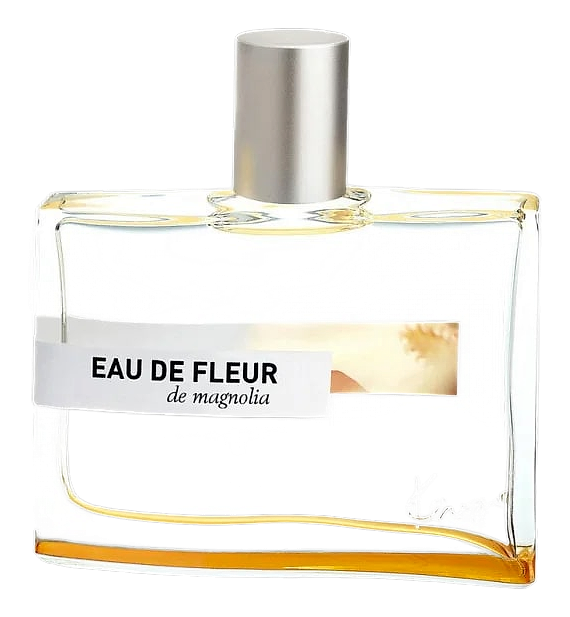
Francis Kurkdjian composed Eau de Fleur de Magnolia in 2008, the year magnolia trees across Paris were putting on their late-spring show. The fragrance sits within Kenzo's broader celebration of flowers that don't always have an obvious scent in nature, and Kurkdjian built the entire composition around that single act of invention. The magnolia note at its center reads as a meditation on what a flower can become when a perfumer decides to imagine rather than replicate. There's a quiet cleverness to the structure, a refusal to let any single ingredient dominate. The composition has the feel of something sketched in light rather than painted in heavy oils, a piece that prefers suggestion over declaration.
Magnolia has long been a challenging note for perfumers, partly because the living flower offers very little olfactory material to work from. Rather than attempting botanical accuracy, Kurkdjian treats the note as a starting point for invention. The result is a fragrance that feels composed rather than extracted, built from associations that evoke the idea of magnolia more than any literal interpretation.
The evolution
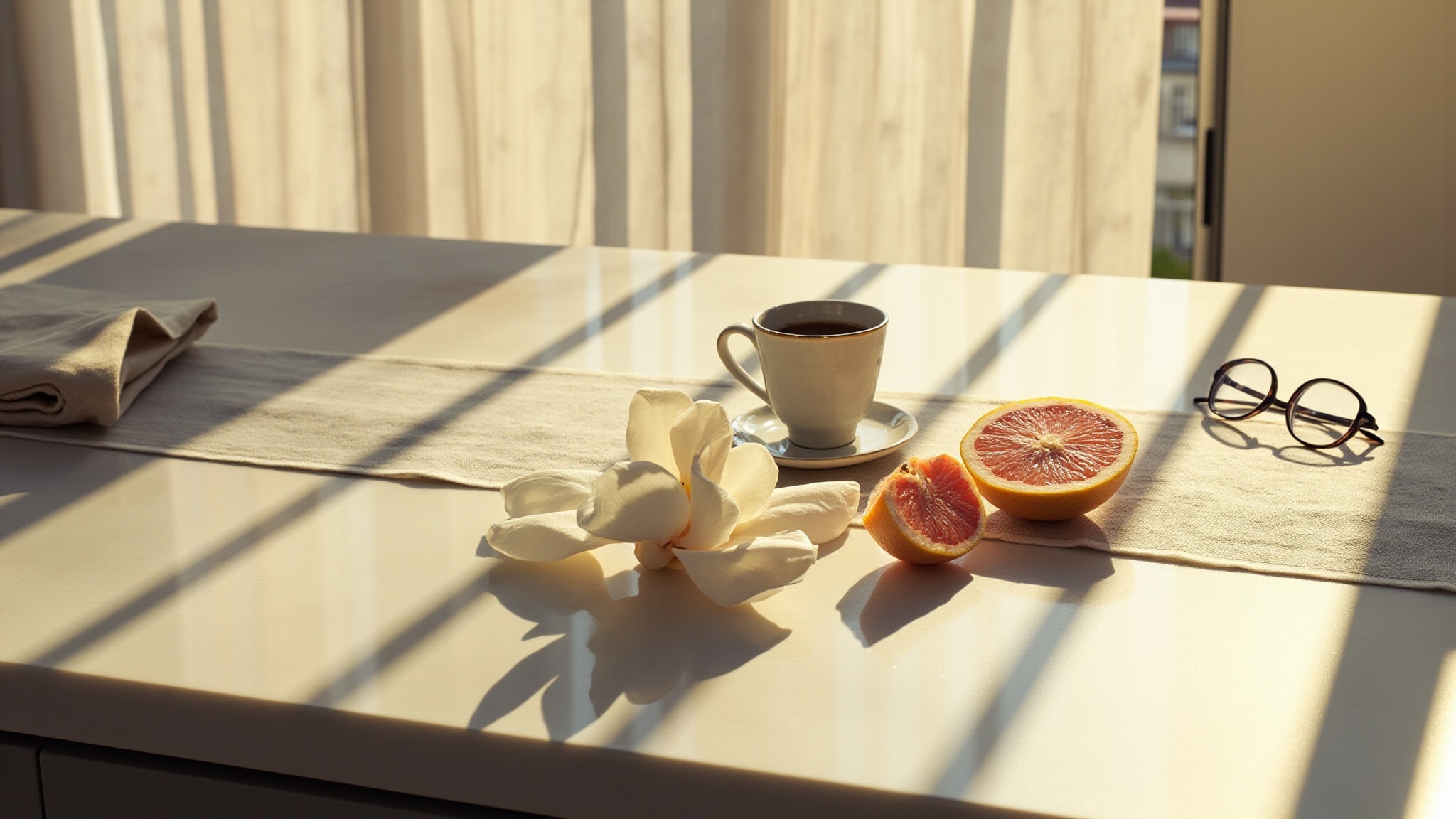
The first thirty minutes are almost entirely citrus, sharp and bright, the kind of opening that makes you think of juice more than perfume. Then the magnolia arrives, and the fragrance shifts into a softer gear. The middle of the wear carries a clean floral warmth that reads more spring garden than summer heat, the flower taking over from the citrus without losing the green thread that runs underneath. As the hours pass, the brighter notes begin to recede and what's left settles into a quieter sweetness close to the skin. The magnolia never disappears entirely; it just becomes more private, more of a trace than a statement. By the later hours, the fragrance has pulled in close, the kind of intimate presence you'd catch on fabric or in the air after someone has already left the room.
Cultural impact
Eau de Fleur de Magnolia occupies a particular register within Kenzo's lineup, lighter and more casual than many of the brand's heavier floral offerings. The 2008 release works in a mode of suggestion rather than imitation, treating the magnolia as a starting point for something invented rather than copied. Green and citrus-bright rather than lush, it moves away from the richer territory the house sometimes occupies. The fragrance wears like a daytime companion, a spring-and-summer option that feels closer to a breeze than a statement piece.