The Story
Why it exists.
The beginning
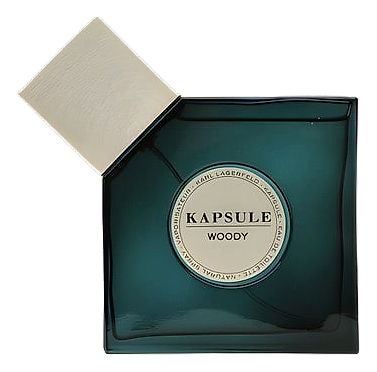
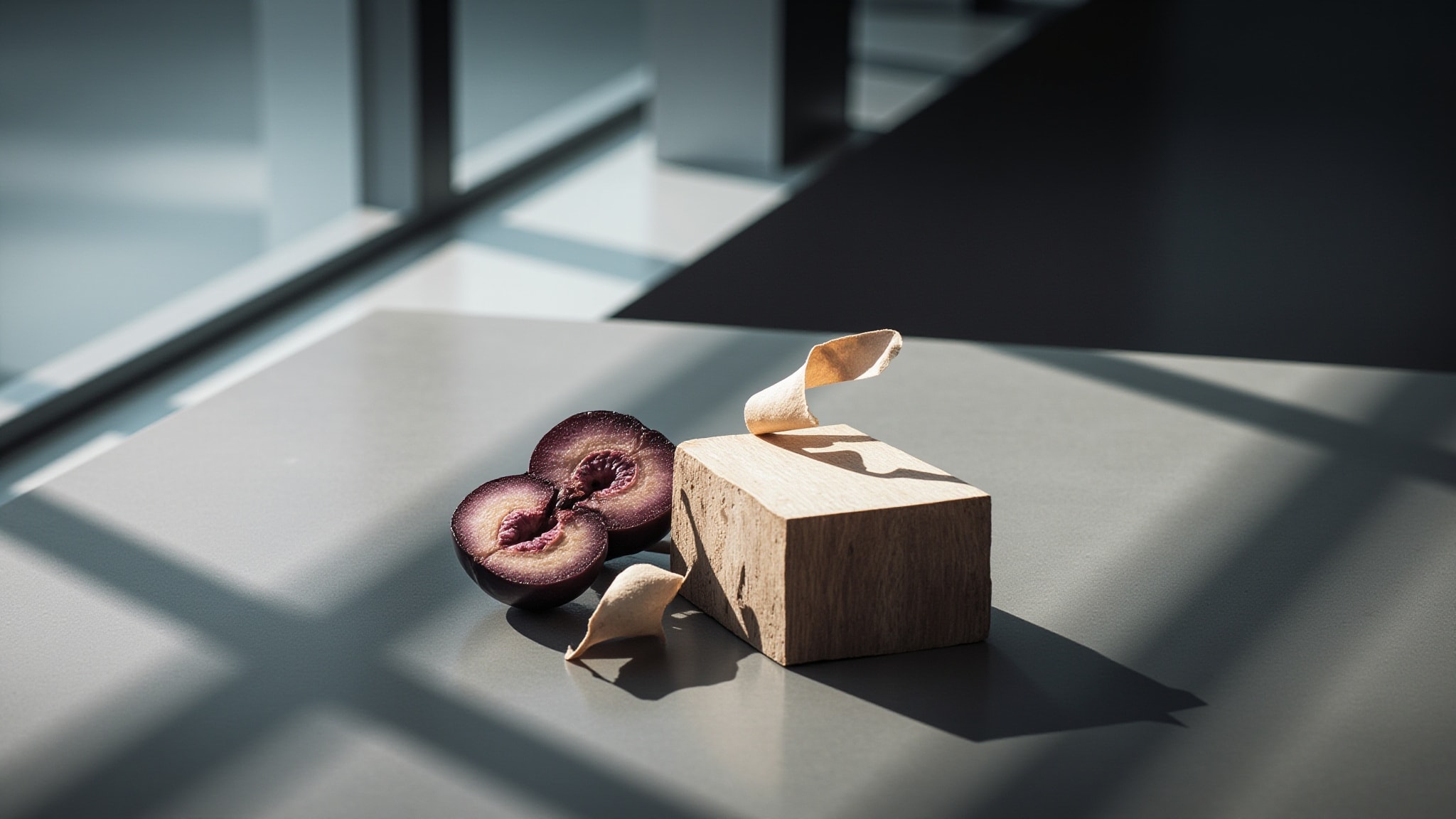
The Kapsule trio was Karl Lagerfeld's idea of olfactory architecture, three geometric bottles, each a standalone fragrance that could also be layered together. He called it music for the nose. Kapsule Woody arrived in October 2008 as the dark glass option in the collection, designed by Lutz Herrmann with the designer's signature engraved on the base of each bottle. Olivier Cresp of Firmenich composed it around cedar and plum, materials he chose for their contrast, not their convention. The brief was simple: woody, but with a fruit that refused to behave.
Cedar and plum is an unusual pairing because cedar pulls dry and cedar pulls masculine, while plum pulls soft and plum pulls dessert. Olivier Cresp didn't try to smooth that tension. He let them sit next to each other, which means Kapsule Woody smells like something from a bygone era, not nostalgic exactly, but unhurried. The oakmoss anchors the top and heart, giving it a damp, earthy quality that prevents the fruit from becoming candy. What you end up with is a woody-fruity that actually smells woody, not a fruity pretending to be sophisticated.
The evolution
The opening hits plum first, then cedar, a sweet-woodsy collision that doesn't resolve immediately. For the first hour they argue, plum trying to stay dominant, cedar pushing back. Then oakmoss enters and everything settles into a richer register, greener and deeper, the way a forest smells after rain rather than during it. By hour two the cedar has won. The drydown is pure woody, mossy, warm, a little resinous. On fabric it holds for most of the day. On skin, expect four to six hours before it fades to a quiet woody skin-note, detectable if you press your wrist to your nose but invisible to anyone else.
Cultural impact
Kapsule Woody arrived as part of a trio designed to be layered or worn alone, a concept that was unusual for 2008 but has since become standard in niche fragrance. Wearers describe it as the scent of someone who walks into a room and doesn't need to announce themselves. It shares fans with Dior Homme Original and Hugo Dark Blue, but stands apart for its oakmoss-forward drydown, a note many houses had already abandoned by the late 2000s.