
The Story
Why it exists.
The beginning
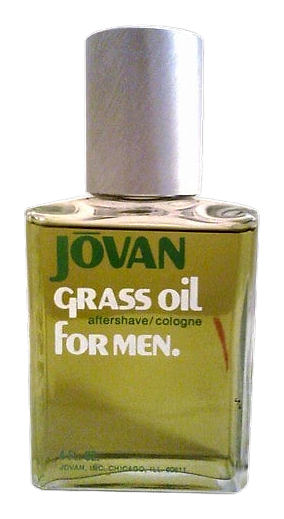
Grass Oil takes its name literally. An oil extracted from grasses, lemongrass, in this case, at the heart of the composition. The name alone announced what Jovan's other releases hadn't: this was botanical in a direct, almost confrontational way. While Jovan built its early reputation on musk oils and warm, skin-close compositions, Grass Oil pushed toward something sharper and more aromatic. The work with grass-derived materials and green accords felt less like fragrance and more like the thing itself, the smell of cut stems, crushed leaves, the bright spicy quality of something still growing. There is a raw immediacy to the scent, an honesty that strips away pretense and lets the green, living quality of the materials speak directly to the wearer.
Galbanum is the tell. It's one of the most challenging green materials in perfumery, bitter, resinous, almost medicinal in its intensity. Most perfumers use it sparingly or avoid it entirely. The fact that Grass Oil lists it as a base note suggests the composition was built around that green aggression, then softened just enough to be wearable. The aldehydes handle that work. They don't mellow the green so much as lift it, adding a dry, almost metallic shimmer that keeps the lemongrass and green notes from feeling too raw. Combined with clover's subtle floral sweetness, the result is a fragrance that captures the complexity of actual grass: sweet stems, bitter sap, the green itself, and the dry hay it becomes.
The evolution
Lemongrass hits first, bright and immediate, with a sharpness that borders on medicinal. Bergamot arrives within minutes, adding a citrus softness that tempers the initial aggression. The aldehydes emerge as the opening settles, creating a dry shimmer that lifts the whole composition and prevents it from going flat. The opening phase offers a crisp, aromatic assault that gradually softens as the top notes integrate with the skin. Then the floral heart of clover begins to show, not a dramatic shift but a quiet sweetness that threads through the green, adding a subtle honeyed undertone that enriches without sweetening. Vetiver takes over as the dominant force, dry and slightly bitter, grounding everything that came before and adding an earthy depth that anchors the aromatic profile. A clean musk emerges in the base, an abstract presence that provides subtle lift without warmth.
Cultural impact
Grass Oil stands as one of the earlier green aromatic fragrances in the masculine market, a pioneering exploration of herbal and aldehydic territory before such combinations became common. The aldehydic lift combined with strong herbal and green notes gives it a specific character that separates it from generic aromatic fragrances. Discontinued now, it appeals to collectors and enthusiasts tracking how masculine fragrance aesthetics evolved through the 1970s and into the 1980s.