The Story
Why it exists.
The beginning
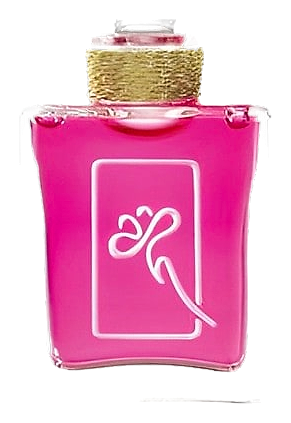
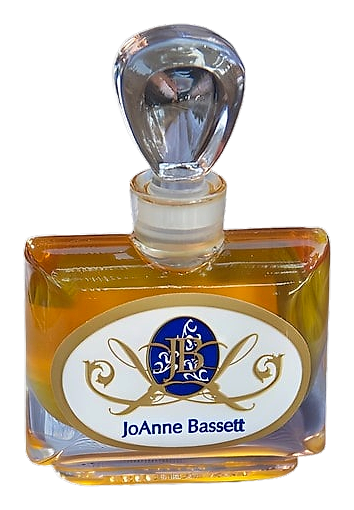
Madame Pompadour takes its name from the famous French courtesan who became the official chief mistress of King Louis XV. Intelligent, politically sharp, and a patron of the arts, she was brought to Versailles and given estates, influence, and a permanent place in French cultural memory. JoAnne Bassett, an independent natural perfumer, released this composition in 2006 as part of her catalogue of botanical fragrances. The naming choice is deliberate. Pompadour was never background ornamentation. She ran rooms. This fragrance aims for the same energy, dressed in materials that speak to opulence and presence: gardenia, champaca, Bulgarian rose, and vanilla, all rendered through the language of botanical perfumery rather than synthetic reconstruction.
What makes this composition worth paying attention to is the material density. JoAnne Bassett works with natural absolutes and essential oils, and several of the listed notes are notoriously expensive to produce in their true form. Champaca flowers yield their absolute in tiny quantities. Bulgarian rose is among the most labor-intensive naturals in any perfumer's organ. Gardenia is delicate to extract and difficult to stabilize. Frangipani and jasmine sambac add their own complexities.
The evolution
The first ten minutes are bright and almost fizzy, with clementine and lemon verbena lending a sparkling sweetness that sits above the heavier florals waiting underneath. The transition into the heart happens quickly. Gardenia arrives with its full creamy weight, followed by jasmine sambac and champaca, which push the composition into something richer and more tropical than the opening suggested. Bulgarian rose threads through the middle phase, lending warmth and a slight sweetness that bridges the florals and the base. Sandalwood shows up early in the drydown, giving the composition a creamy, woody undertone that anchors the florals and keeps them from floating away. The vanilla arrives last, soft and vanillic rather than gourmand, and it stays.
Cultural impact
This fragrance carries the kind of presence that earns attention without demanding it. It appeals to wearers who want their florals to feel like actual flowers, dense and unapologetic, rather than the airier, more transparent versions found in lighter compositions. Within that world, it reads as a study in botanical layering: gardenia, champaca, rose, frangipani, and jasmine sambac stacked into a single composition. The result is a fragrance that refuses to apologize for its own weight. Each note arrives with intention, and none of them behave as supporting characters.