The Story
Why it exists.
The beginning
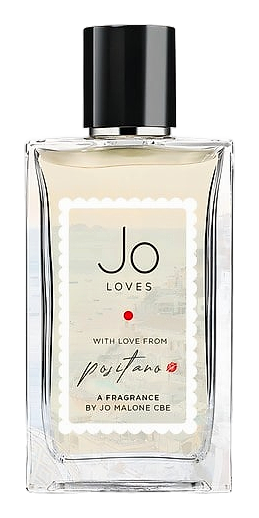
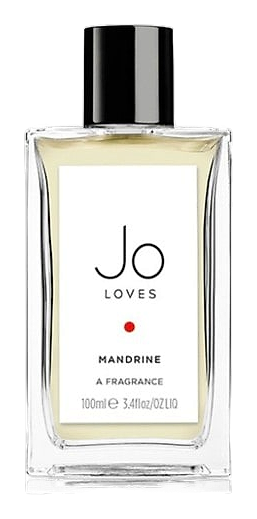
Mandrine is Jo Malone's study in citrus as something more than an opening act. The name itself hints at the fruit's tart, golden character. Released in 2017, this fragrance belongs to a house that treats each bottle as a small experiment in memory and sensation. The original brand copy describes it as bottling 'the scent of sunshine', bright, familiar, and entirely content. What makes Mandrine distinct is its refusal to let citrus simply arrive and vanish. The herbal heart of thyme and star anise keeps the composition grounded, while benzoin and ambroxan pull the fragrance into a drydown that earns its longevity. There is a weight to the citrus here, a persistence that catches you off guard when you expect brightness to fade.
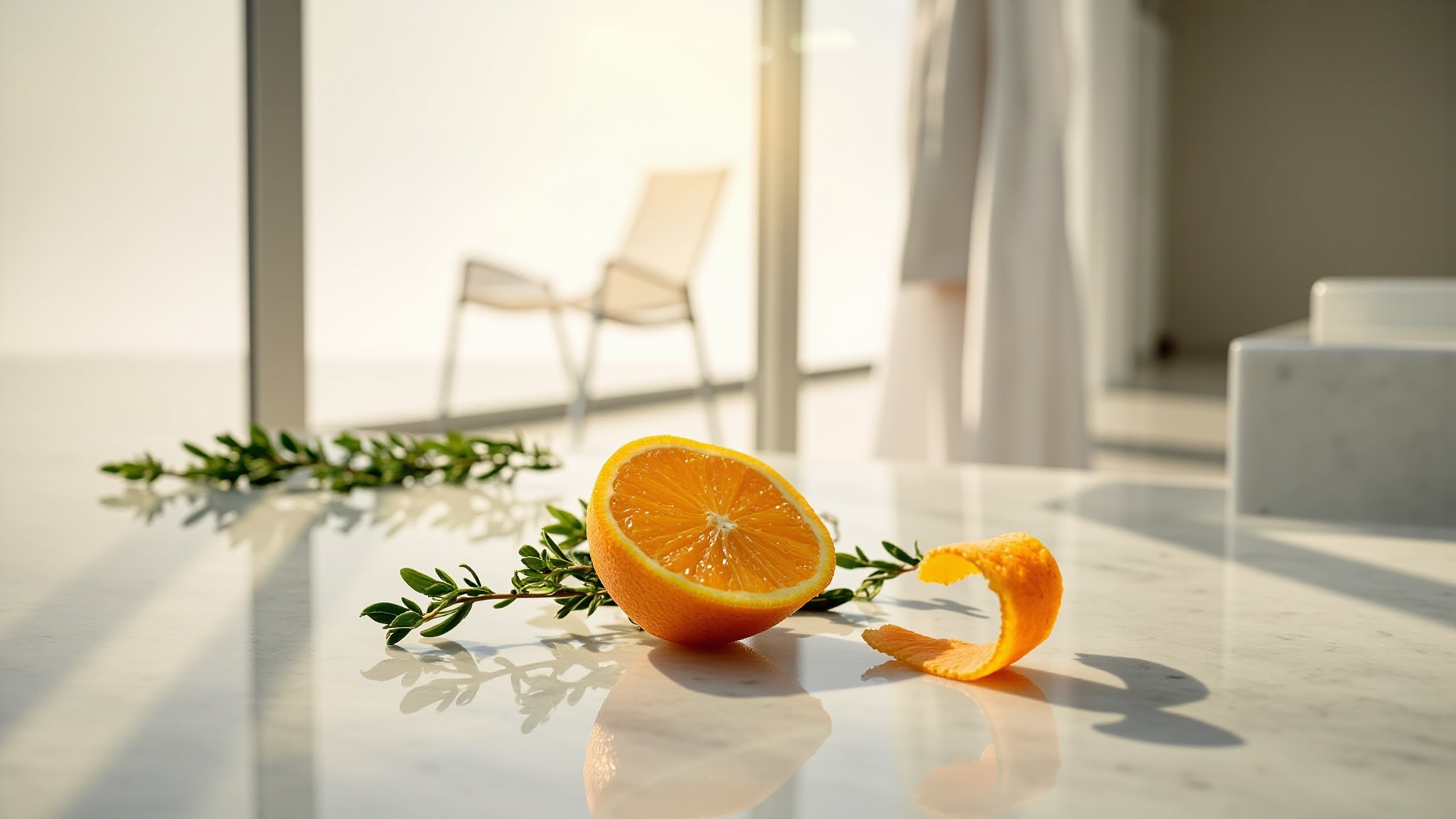
The tension between brightness and depth defines Mandrine's structure. Bitter orange and petitgrain create an immediate tartness, the kind that wakes you up rather than perfumes you. Lemon leaf adds a green, slightly medicinal quality that most citrus fragrances skip entirely. The star anise in the heart is the surprise: aniseed warmth that shifts the fragrance from 'fresh cologne' into something with more character. Then ambroxan and benzoin arrive to anchor everything, pulling the composition from sharp to warm over 6-8 hours. It's a pyramid that actually unfolds.
The evolution
The opening announces itself immediately: bitter orange and bergamot hit sharp and luminous. Lemon leaf adds a green undertone. Petitgrain brings the woody, slightly bitter character of orange blossom. The top holds its own for a good while before the hand-off. Then thyme emerges as the dominant herbal note, with star anise lending its quiet aniseed warmth. The citrus does not disappear, it recedes, becoming a background brightness that keeps the herbal heart from going dark. Benzoin and ambroxan arrive last, creating a warm, slightly resinous drydown that extends the scent. The ambroxan is subtle, more skin-warm than animalic. What lingers the next morning is not a ghost of fragrance, it is the faint warmth of benzoin on warm skin, the citrus-herbal structure that held all day. The progression feels deliberate, each stage building on what came before rather than replacing it.
Cultural impact
Mandrine sits in a specific niche: the citrus fragrance that refuses to be a skin-deep accessory. Launched in 2017, it continues the house tradition of translating personal memory into scent. Mandrine continues that tradition of translating a feeling, in this case the warmth of familiar sunshine, into something wearable. The composition holds its own among the house's other studies, offering a counterpoint to lighter citrus fare with its herbal depth and lingering presence.