The Heritage
The Story of Jo Loves
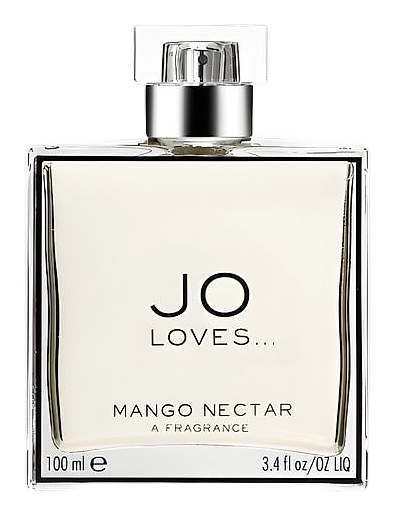
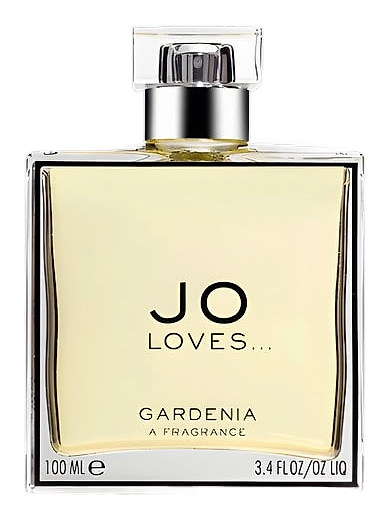
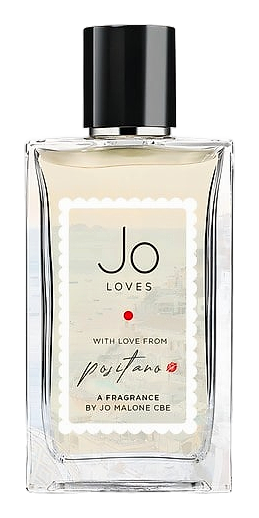
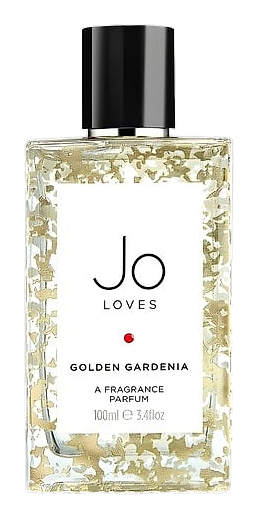
Jo Loves is a British fragrance house founded in 2011 by Joanne Malone, the creator of Jo Malone London. Based in Belgravia, London, the brand offers scented candles, body care and perfume that blend familiar British ingredients with unexpected twists. The portfolio includes Mango Nectar (2012), Orange Tulle (2011), Golden Gardenia (2022) and recent releases such as With Love From Positano (2024). Jo Loves treats each bottle as a laboratory for scent experiments, inviting wearers to explore personal memory through fragrance.
Heritage
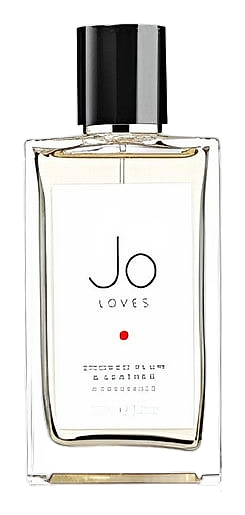
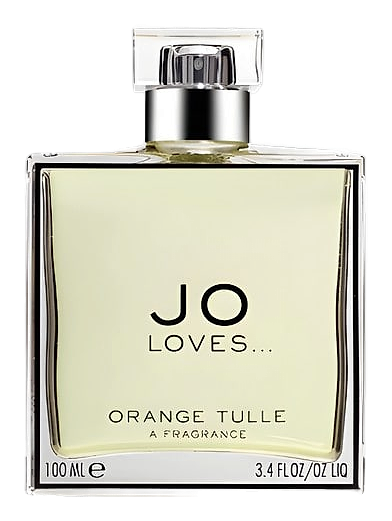
Jo Malone began mixing scents in her kitchen during the early 1990s. In 1994 she opened a small shop on Brook Street, London, and the brand Jo Malone London quickly attracted a cult following. In 1999 the company sold to Estée Lauder, and Malone stepped back from the industry to raise her family. After a decade away, she returned to perfumery in 2011, launching Jo Loves as a separate creative venture. The first Jo Loves fragrance, Orange Tulle, arrived that year and set a tone of bright citrus paired with subtle florals. A year later Mango Nectar arrived, showcasing tropical fruit notes that referenced Malone’s travels in Thailand. The brand opened its flagship boutique on Elizabeth Street, Belgravia in 2012, restoring a former florist shop where Malone once worked at age sixteen. 2016 saw the release of Smoked Plum & Leather, a darker composition that demonstrated the house’s willingness to explore richer accords. In 2022 Jo Loves introduced Golden Gardenia, a tribute to the classic gardenia scent but rendered with a modern, luminous finish. The 2024 launch of With Love From Positano highlighted the brand’s continued focus on travel‑inspired narratives. Throughout its history Jo Loves has remained independent, sourcing many ingredients from British farms and maintaining a small‑batch production model that differentiates it from larger luxury houses.
Craftsmanship
Jo Loves blends its fragrances in a London studio that follows a small‑batch methodology. The house sources many essential oils from UK growers, including English lavender, Sussex rosemary and Kent rosemary, while exotic notes such as Thai mango or South African marula arrive from vetted farms that meet Fairtrade standards. Each batch undergoes a three‑stage quality check: raw material verification, olfactory testing by senior perfumers and stability testing in controlled temperature chambers. The brand works with independent perfumers who draft initial accords; Malone then refines the formula, adding or subtracting notes until the scent meets her narrative brief. Bottles are hand‑filled by trained technicians who monitor fill levels to avoid variation. Jo Loves uses glass produced by a British manufacturer that recycles 80 percent of post‑consumer material. The final product is sealed with a simple metal cap that bears the brand’s monogram, a design choice that reduces decorative excess while ensuring a tight seal. All ingredients are listed on the packaging, allowing consumers to see the composition at a glance. This transparent, hands‑on process reflects the house’s commitment to quality and traceability.
Design Language
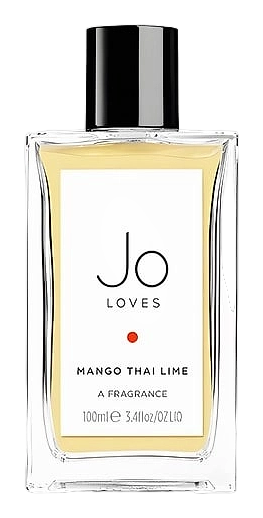
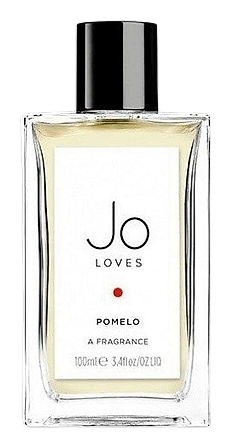
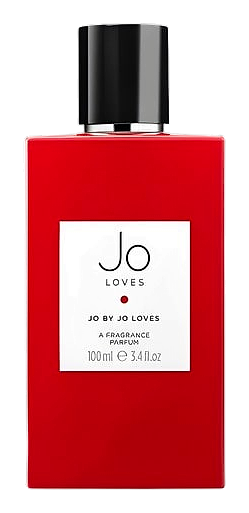
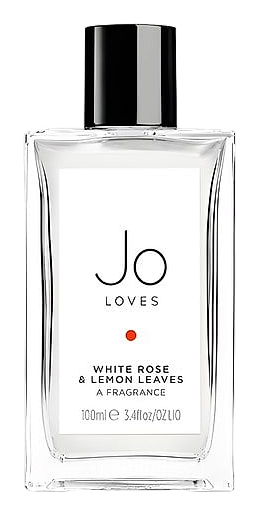
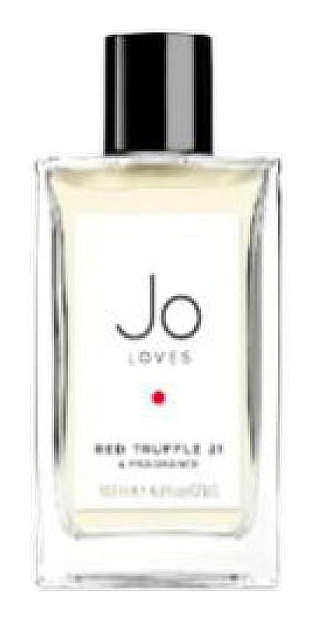
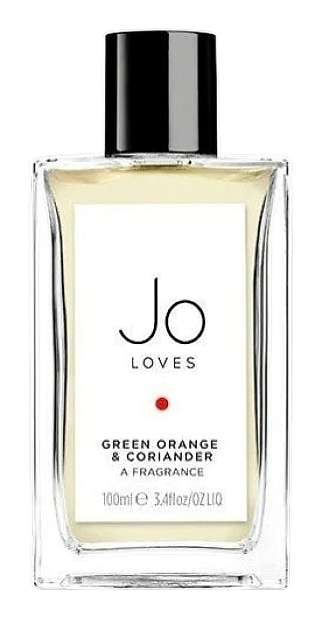
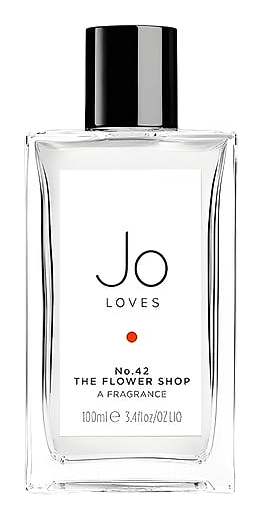
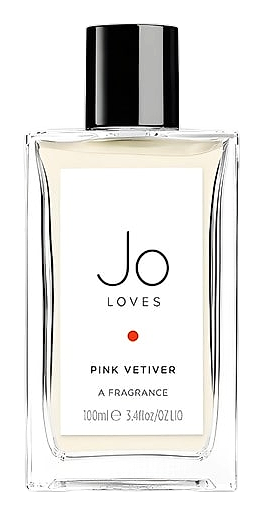
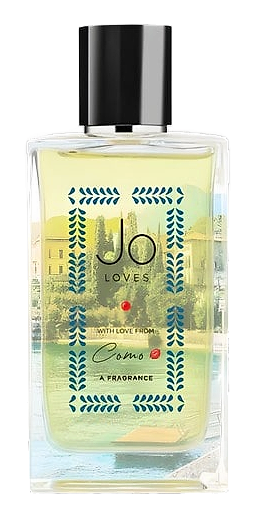
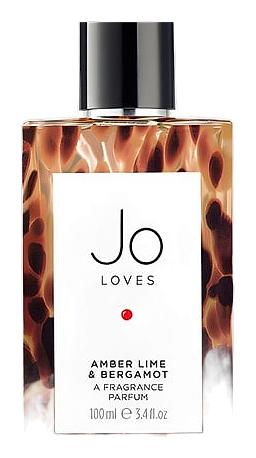
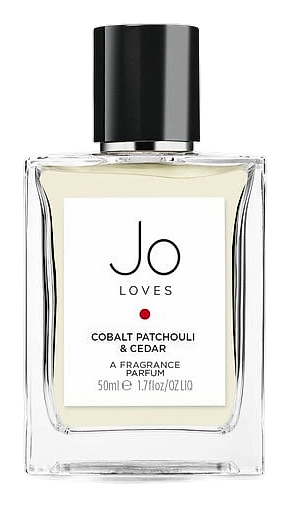
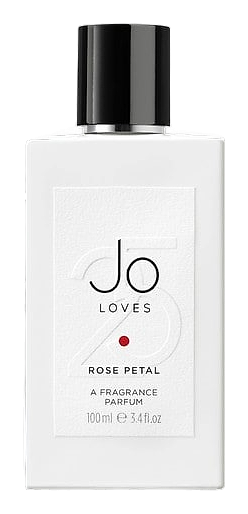
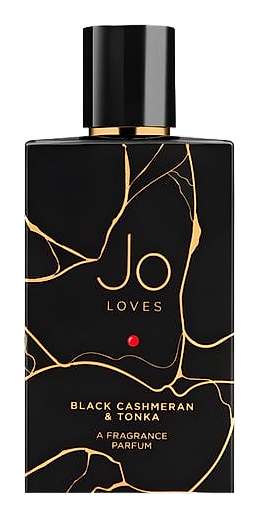
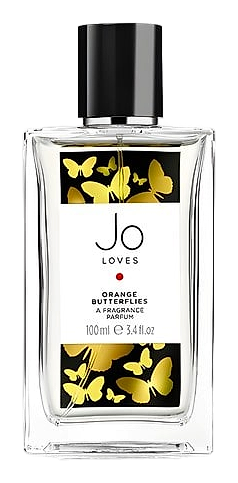
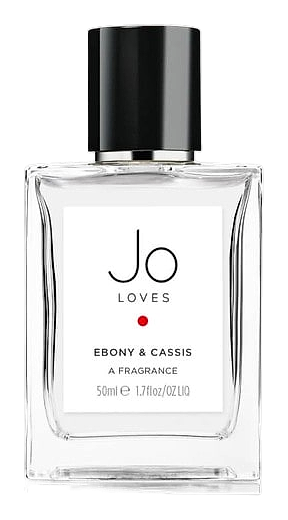
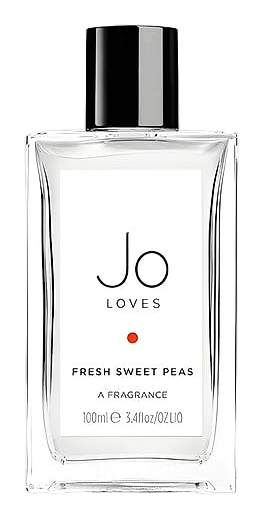
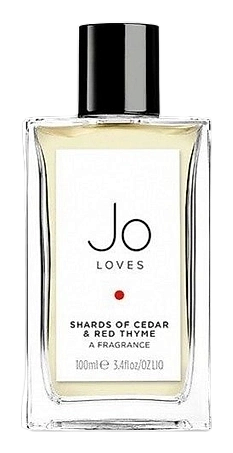
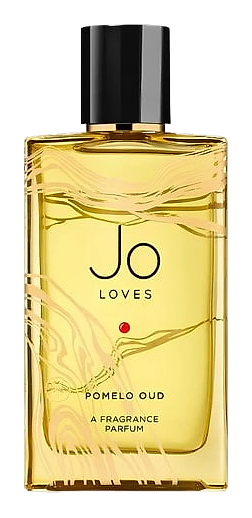
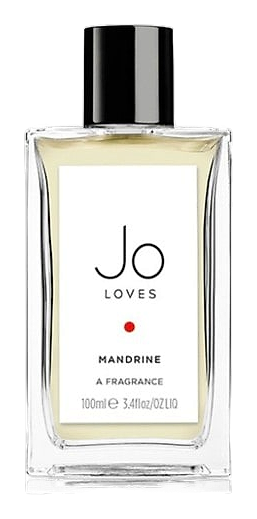
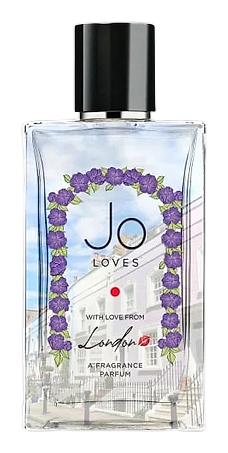
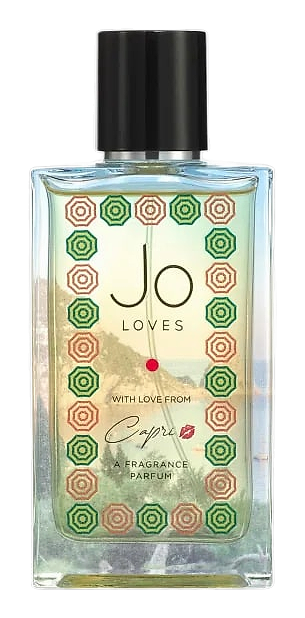
Jo Loves presents its products in clear glass vessels that showcase the colour of the fragrance itself. The bottles feature a slender, square silhouette topped with a brushed‑metal cap engraved with the brand’s initials. Labels use a muted sans‑serif typeface on white paper, allowing the scent’s hue to remain the visual focus. The boutique interior mirrors this minimalism: white walls, reclaimed wood shelving and soft, natural lighting create a calm environment that encourages exploration. Seasonal displays incorporate botanical elements that echo the fragrance’s key notes, such as fresh orange blossoms for Orange Tulle or dried gardenia petals for Golden Gardenia. Marketing imagery favours close‑up shots of the bottle against neutral backgrounds, often paired with a single ingredient or a subtle splash of colour that hints at the scent’s character. This restrained visual language reinforces the brand’s narrative of scent as a quiet, personal experience rather than a loud statement.
Philosophy
Jo Loves treats fragrance as a personal language rather than a trend. The house believes that scent can anchor memory, so each composition aims to evoke a specific moment or place. Malone emphasizes authenticity; she selects ingredients that reflect her own experiences, whether a Mediterranean garden or a Thai market stall. Sustainability informs the brand’s decisions: Jo Loves prefers renewable raw materials, works with suppliers who practice ethical farming, and reduces waste through recyclable packaging. The creative process invites collaboration with independent perfumers, yet Malone retains final approval to ensure each scent aligns with her vision. Community also matters: the brand supports mental‑health charities through limited‑edition releases and hosts workshops that teach customers how to layer scents for a personalized effect. This blend of personal storytelling, ethical sourcing and inclusive education defines Jo Loves’ approach to modern perfumery.
Key Milestones
1994
Jo Malone opens her first shop on Brook Street, London, establishing the Jo Malone London brand.
1999
Jo Malone sells Jo Malone London to Estée Lauder and steps away from the fragrance industry.
2011
Jo Malone launches Jo Loves and releases the first fragrance, Orange Tulle.
2012
Jo Loves opens its flagship boutique on Elizabeth Street, Belgravia, restoring a former florist shop.
2016
Jo Loves introduces Smoked Plum & Leather, expanding its range into darker, more complex accords.
2022
Golden Gardenia debuts, marking the brand’s continued focus on modern reinterpretations of classic florals.
At a Glance
Brand profile snapshot
Origin
United Kingdom
Founded
2011
Heritage
15
Years active
Collection
3
Fragrances released
Avg Rating
4.0
Community sentiment
Release Rhythm


