The Story
Why it exists.
The beginning
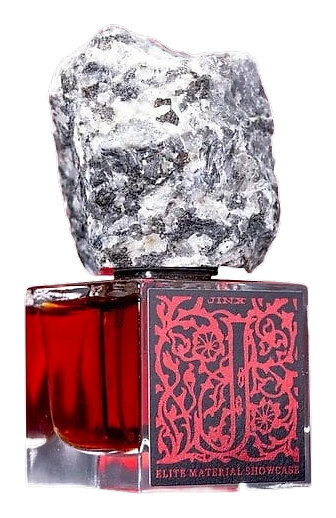
Red Meat marks a collaboration between Jinx Smells and perfumer Arthur Clayton Emrick, working with Sola Gratia, and it's the first extrait strength santal composition the house has released. Cologne-shaped in wear but dense in delivery, the extrait concentration means the sandalwood hits with the kind of presence that demands attention rather than asking for it. The name doesn't hide the intent. Neither does the formula. The juice itself is thick and almost resinous out of the bottle, a tell that what's about to land on skin is going to stay put and project with real authority. Less smoke, more skin. Still unapologetic.
Red Mysore sandalwood anchors every layer of this composition, top to base, a structural choice that turns the ingredient into architecture rather than a single accent. Around it, civet and ambergris build out a base with genuine animalic presence, the sort of undercurrent that makes a sandalwood scent feel like more than just a meditative wood exercise. The heart stacks musk, coriander, geranium, and iris against amber and citrus, giving the wood room to breathe while the animalic notes do the talking.
The evolution
The first spray is creamy and almost soft, sandalwood's classic butter against a brief lift of citrus and lily. That's the window where Red Meat plays the gentleman, a smooth and accessible entry that doesn't telegraph the full weight of what's coming. Then the civet wakes up. The musk underneath thickens. What felt polished starts to feel lived-in, the kind of skin-adjacent warmth that synthetic-leaning sandalwoods can't fake. The iris and coriander step forward next, pulling the composition into something spicier and cooler than the opening promised, with the iris lending a powdery restraint that keeps the coriander from running too sharp. The geranium rounds out this phase with its own floral-herbal balance, keeping the wood from going flat.
Cultural impact
Red Meat strips back to a single material, Mysore sandalwood, and tests how far one wood can stretch when wrapped in civet and ambergris. The extrait concentration means the material gets room to fully express itself, and the supporting cast of musk, amber, geranium, iris, coriander, and citrus is arranged to enhance rather than compete with that central wood. It's the kind of composition that rewards wearers who appreciate the difference in character between a natural Mysore and its synthetic counterparts.
The House
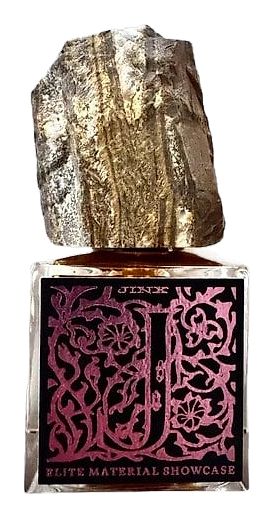
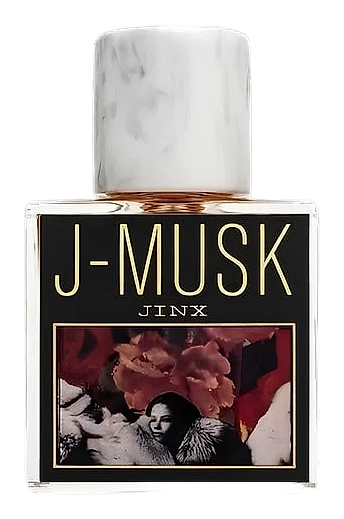
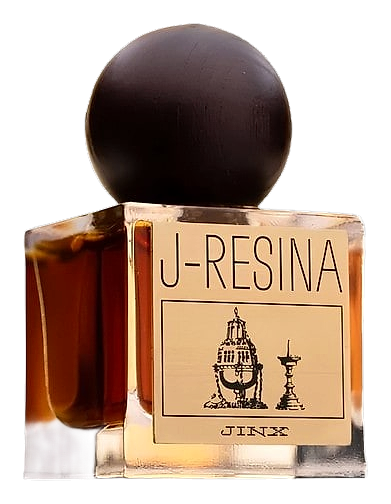
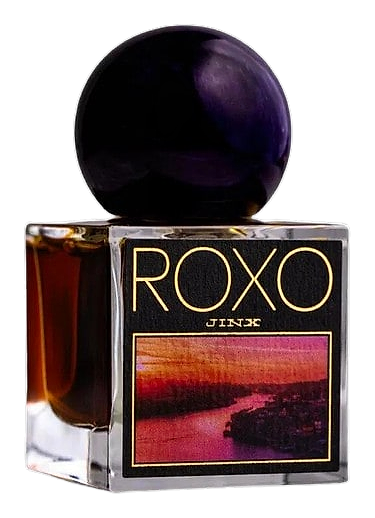
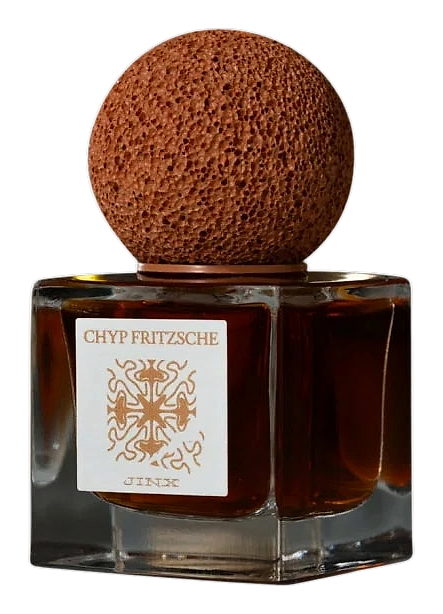
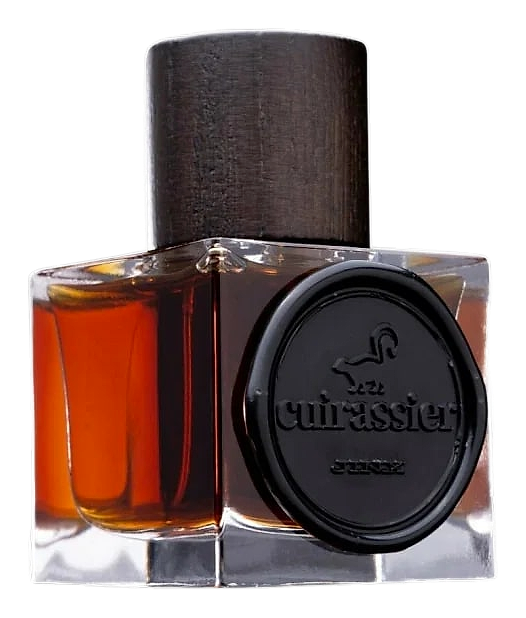
Jinx SmellsJinx Smells is an artisan perfume house that operates out of upstate New York. The label focuses on hyper‑niche compositions that foreground oud and animalic notes, and it insists on using only natural raw materials. Founder Arthur Clayton Emrick, a longtime fragrance collector, curates each release with a collector’s eye for rarity and depth. The brand’s releases, such as Cuirassier (2025) and Blue Chyp (2024), have earned a reputation among niche enthusiasts for their unapvious intensity and meticulous balance.
The Creator
Arthur Clayton EmrickArthur favors a modular approach, layering accords in a way that each can be isolated on the skin. He leans heavily on natural absolutes—bergamot, labdanum, and cedarwood—paired with synthetics that amplify texture, such as iso e super and ambroxan.