
The Story
Why it exists.
The beginning
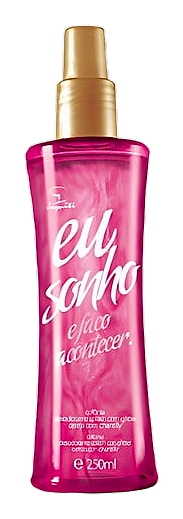
Eu Sonho translates to 'I Dream' in Portuguese, and the name captures something honest about this fragrance: it doesn't pretend to be anything other than a daydream made wearable. Released in 2012, it arrived from Jequiti with the kind of direct emotional appeal the brand has become known for, aiming squarely at the heart rather than the head. The composition leans into a deliberate simplicity: vanilla, cherry, and tonka bean doing all the heavy lifting. There are no false starts or clever pivots here. This is comfort wearing perfume's name, the kind of scent that asks nothing of the wearer except that they enjoy being wrapped in something sweet.
What makes Eu Sonho interesting is its refusal to complicate a formula that could easily feel one-note. Vanilla and tonka are close cousins in perfumery, both warm, both sweet, often blurring into the same creamy impression. But the cherry cuts through that kinship with its tart, almost candy-like sharpness, giving the composition a backbone it wouldn't have otherwise.
The evolution
On skin, Eu Sonho opens with cherry front and center, a bright, almost synthetic sweetness that reads more like candied fruit than a fresh one. As the composition settles, the tonka and vanilla come forward, softening the cherry's edges and pulling everything into something rounder, almost milky, like the center of a soft confection left to melt on the tongue. The powdery quality that community members flag in the base gradually takes hold, settling in like a familiar scent from an old vanity table. It doesn't morph dramatically. What changes is the texture, from bright candy to warm dust. The drydown clings close to skin, a faint sweetness that earns it a loyal following among fans of sweet, powdery gourmands who want something uncomplicated and gently nostalgic.
Cultural impact
Eu Sonho fits squarely within Jequiti's tradition of emotional, accessible perfumery. Its sweetness is unapologetic, designed for the wearer who wants comfort in a bottle rather than a statement. In the broader gourmand landscape, it stakes out the nostalgic end, closer to candy and powder than to modern dessert constructions. There's no pretense of complexity here, no attempt to impress through rare ingredients or clever rearrangement.