
The Story
Why it exists.
The beginning
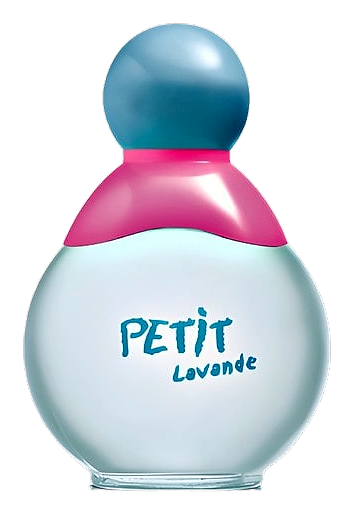
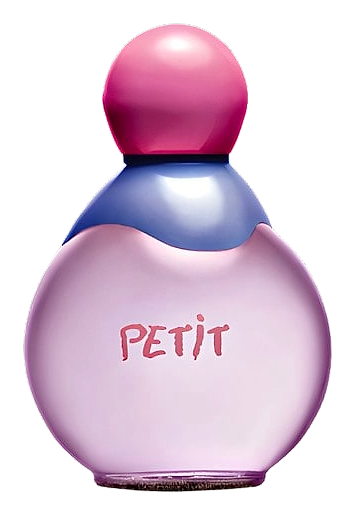
Petit arrived in 2003 with a simple brief: make something that didn't try too hard. The name says it all: Petit, small, unassuming, direct. The fragrance was designed to be approachable in character, comfortable enough to wear without thinking about it. Petit fits that tradition: a small, unassuming fragrance for everyday life. The scent opens with a burst of citrus that feels bright and immediate, a freshness that invites without demanding. The composition had a clear intention, something clean and warm, easy to reach for, unpretentious in its appeal.
What makes the structure interesting is how the powdery iris doesn't sit alone. The ozonic notes at the opening give it a clean, contemporary lift, that just-washed quality that keeps vintage powderiness from feeling dated. The green notes keep the top from becoming too sweet, and the peach in the heart adds a softness that prevents the rose from tipping into romantic territory. The vanilla and sandalwood in the base don't project, they settle, creating a warmth that stays close to the skin. It's a careful balance: enough warmth to feel intimate, enough freshness to feel modern, enough powder to feel like a complete thought.
The evolution
The opening hits clean, orange and something aquatic, ozonic notes that feel like air moving across fresh skin. Within minutes, the green notes arrive to keep everything bright. The heart is where Petit becomes itself: rose and peach together, with lily of the valley adding a delicate, almost dewy quality. The base is where this fragrance earns its name. The iris and vanilla create a soft powderiness that settles against the skin like a light dusting of something clean. The sandalwood keeps it grounded without heaviness, adding a subtle creaminess that prevents the drydown from feeling thin. As the top notes fade, the powderiness builds and the fragrance becomes more intimate, something that lives close to the skin rather than announcing itself.
Cultural impact
Petit exists in a moment of quiet transition, 2003, when the market was still finding its footing between vintage powder aesthetics and the clean freshness that would dominate the following decade. The powdery iris anchor places it firmly in one camp, but the ozonic top and green notes keep it from feeling fully retro. It's the kind of fragrance that reads as timeless rather than nostalgic, something that could have launched in 2003 or 1993 and still made sense. The combination of powdery iris with brighter ozonic elements creates something that bridges eras without fully committing to either, giving it a quiet staying power.