
The Story
Why it exists.
The beginning
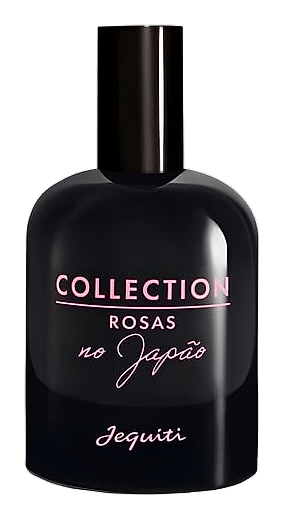
Collection Rosas no Japão borrows the visual language of Japanese gardens, the quiet composition of space and bloom, but lands somewhere decidedly Brazilian. The name carries its premise on the surface: roses in a setting that suggests restraint and arrangement, the kind of floral that gets placed rather than gathered. What makes it worth pausing on is how the concept reads in practice. The composition takes the rose and frames it without fuss, allowing the flower to do most of the work while a warm base keeps things grounded. The listed accord profile includes rose and amber alongside an animalic touch, which hints at a perfumer willing to leave a little bite in the bloom rather than sanding it down.
What's interesting here is the choice of restraint. Rather than reaching for a dozen supporting florals to amplify the rose, the composition keeps the cast small and lets each player earn its space. The listed accords center on rose, with amber providing weight and an unexpected animalic edge keeping things from drifting into pure sweetness. That animalic note does important work, lending the rose a skin-like warmth that makes it read less like a perfume and more like something growing.
The evolution
The first thirty minutes are the bright part, fleeting and a touch green before the rose takes its seat. As it settles, the bloom becomes less perfumey and more organic, something that reads closer to petals than product. The amber arrives quietly underneath, never announcing itself, but by the two-hour mark it's clearly the backbone. The animalic accord that sits in the listed profile shows up subtly in the heart, a faint skin-warmth that keeps the rose from feeling cold. In the final hours, the fragrance retreats to a close-to-skin hum, amber-dominant, with the rose reduced to a memory of itself. Moderate sillage means it won't fill a room, but on a collar or a wrist it stays present for most of a workday. By evening it's a trace, the kind of scent someone catches only if they're standing close enough to matter.
Cultural impact
Rosas no Japão draws on the visual vocabulary of Japanese gardens, where composition matters as much as the flowers themselves, the careful placement of bloom and branch and empty space. The fragrance borrows that sensibility and marries it to a rose note that lands with unmistakable Brazilian warmth, a flower that is less about discipline and more about color. The name itself does the bridging work, pairing the Portuguese word for rose with the Portuguese rendering of Japan, a small linguistic gesture that signals where the composition intends to sit.